
Corn Starch Sensory Map
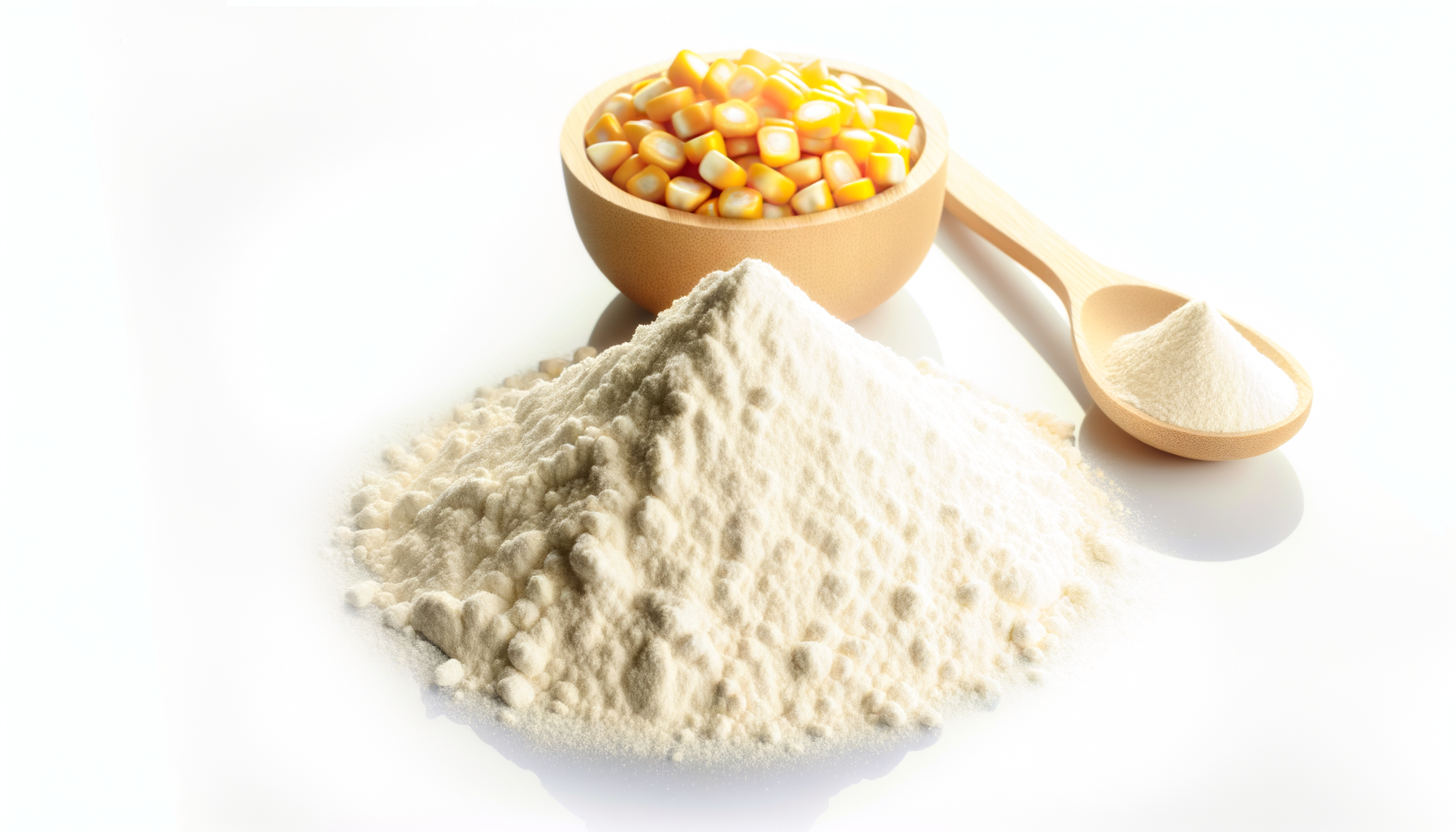
Corn Starch
Zea mays
Sensory Profile
Tastes
Basic flavor profiles
Aromas
Scent characteristics
Stimuli
Sensory sensations
Textures
Physical properties
About Corn Starch
Corn starch is a neutral-tasting ingredient that does not impart any distinct flavor to dishes. Its primary role is to enhance the texture of foods, providing a smooth and glossy finish. Corn starch is predominantly used as a thickening agent in sauces, gravies, soups, and puddings. It is also a key ingredient in baking, where it helps to create a tender crumb in cakes and cookies. Additionally, corn starch is often employed in the preparation of batters for frying, as it contributes to a crisp texture. In Asian cuisine, it is commonly used to coat meats and vegetables before stir-frying or deep-frying. Corn starch is derived from the endosperm of the corn kernel (Zea mays), a staple crop native to the Americas. It has been utilized for centuries, with its commercial production becoming prominent in the 19th century as corn cultivation expanded. Corn starch is prized for its ability to create a clear gel when mixed with water and heated, making it ideal for applications where clarity is desired, such as in fruit glazes. It is gluten-free, making it a popular choice for those with gluten sensitivities. When using corn starch, it is essential to mix it with cold water to create a slurry before adding it to hot liquids to prevent clumping. Its versatility and ease of use make it a staple in both
Associated health effects(42)
- Blood Sugar Spikes
- Glycogen Storage Support
- Insulin Resistance Development
- Glycemic Spiking from Refined Starch
- Processing Contamination Risk
- Easy Digestibility
- Dental Caries Promotion
- Allergic Reactions
- Dose-Dependent Effects
- Carbohydrate Content
- Allergy Risk
- Energy Intake Stimulation
- Refined Starch Glycemic Spiking
- Short-Chain Fatty Acid Production
- Digestive Tolerance
- Metabolic Dysfunction
- Refining and micronutrient loss
- Gluten-Free Suitability
- No Unique Nutritional Advantage
- Microbiome Stability
- Limited Micronutrient Density
- Esophageal Obstruction Risk
- Flavor and Culinary Use
- At-Risk Populations
- Allergic Reaction Risk
- Rapid Energy Provision
- Weight Gain and Empty Calories
- Obesity and Weight Gain
- Caloric Excess
- Heart Disease and Diabetes Risk
- Gluten-Free Nature
- Protein Content
- Resistant Starch Formation
- Nutrient Interference
- Complex Carbohydrate Content
- Glycemic Impact
- Culinary Properties
- Rapid Glycemic Response
- Weight Gain
- Low Allergenicity
- Type 2 Diabetes Risk
- Resistant Starch Prebiotic Support
Nutrition per 100 g(4)
- Energy: 366 kcal
- Protein: 0.3 g
- Fat: 0.1 g
- Fiber: 0.9 g