
Corn Sensory Map
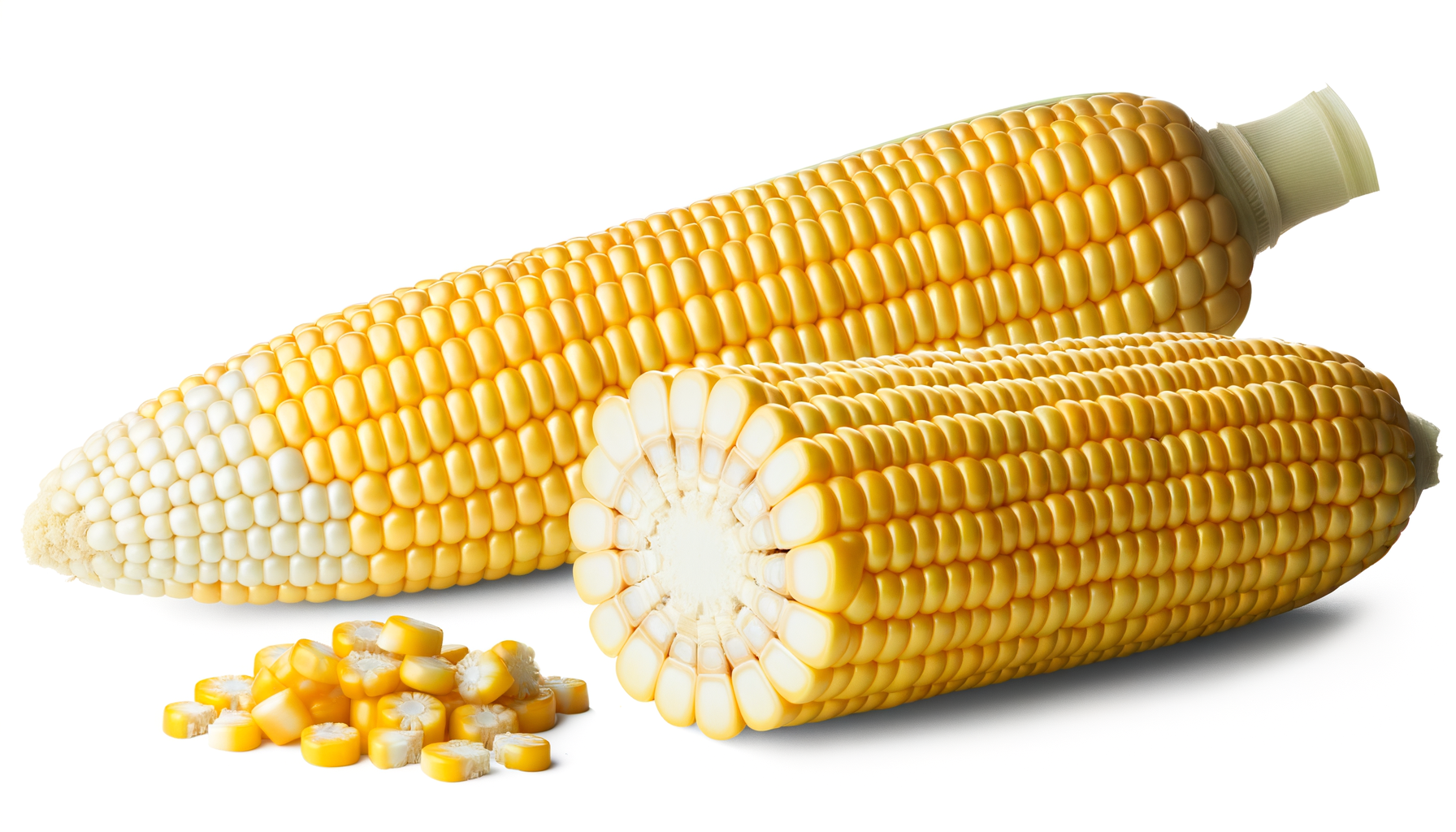
Corn
Zea mays
Sensory Profile
Tastes
Basic flavor profiles
Aromas
Scent characteristics
Stimuli
Sensory sensations
Textures
Physical properties
About Corn
Corn possesses a subtly sweet and earthy flavor, with a crisp texture when fresh. The taste can vary slightly depending on the variety—sweet corn is particularly known for its high sugar content, while field corn has a more starchy and robust profile. When roasted, corn develops a smoky, caramelized sweetness that enhances its natural flavors. Corn is an incredibly versatile ingredient used in a wide array of culinary applications. Fresh corn is often enjoyed on the cob, grilled, or boiled, and is a staple in salads, salsas, and soups. Dried corn is ground into cornmeal or flour for baking cornbread, tortillas, and polenta. Corn is also a key ingredient in various processed products, including corn syrup, popcorn, and corn oil. Its natural sweetness makes it an excellent addition to both savory and sweet dishes. Corn is believed to have been domesticated over 9,000 years ago in southern Mexico, evolving from a wild grass known as teosinte. It quickly spread throughout the Americas, becoming a staple crop for many indigenous cultures. Today, corn is cultivated globally, with the United States, China, and Brazil being the largest producers. Corn is characterized by its large, yellow or golden kernels, which grow in ears surrounded by green husks. It is a member of the Poaceae family and is notable for its high carbohydrate content
Associated health effects(53)
- Blood Pressure Support
- Blood Sugar Spikes
- Satiety Enhancement
- Phytate Mineral Bioavailability Reduction
- Antioxidant
- Allergic Reactions
- Cardiovascular Health
- Anthocyanin Support
- Refined Starch Glycemic Spiking
- Phytosterol-Mediated Cholesterol Reduction
- Short-Chain Fatty Acid Production
- Folate Source
- Niacin Bioavailability Limitation
- Nutritional Advantages
- Metabolic Syndrome Protection
- Refining and micronutrient loss
- Blood Sugar Support
- Blood Sugar Regulation
- Immune Modulation
- Protein Quality Limitation
- Vision Protection
- Soluble Corn Fiber Prebiotic Activity
- Dietary Fiber
- Cholesterol Absorption Inhibition
- Ferulic Acid Cardiovascular Support
- Obesity and Weight Gain
- Prebiotic Fiber-Mediated Gut Microbiota Improvement
- Bone Health
- Caloric Excess
- Cholesterol Management
- All-Cause Mortality Reduction
- Anemia Prevention
- Carotenoid Eye Protection
- Protein Content
- Nutrient Interference
- Weight Management
- B Vitamin Nervous System Support
- LDL Cholesterol Reduction
- Potassium
- Quercetin Support
- Glycemic Impact
- Neuroprotection
- Heart Health
- Colorectal Cancer Risk Reduction
- Magnesium
- Digestive Aid
- Short-Chain Fatty Acid Production Enhancement
- Lutein and Zeaxanthin Support
- Digestive Health
- Anticancer Potential
- Anti-inflammatory
- Cognitive Support
- Resistant Starch Prebiotic Support
Nutrition per 100 g(4)
- Energy: 86 kcal
- Protein: 3.2 g
- Fat: 1.2 g
- Fiber: 2.4 g