
Couscous Sensory Map
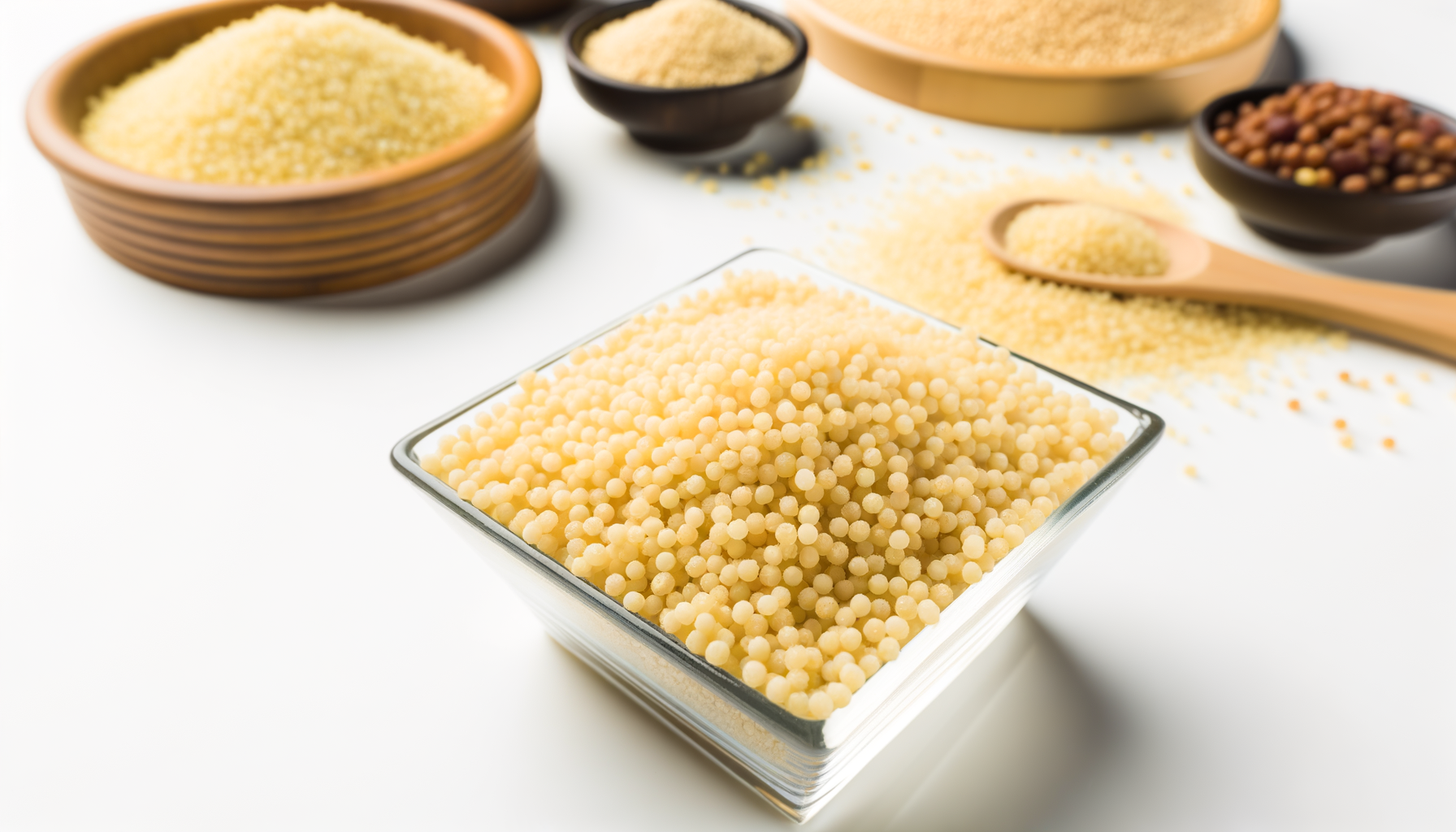
Couscous
Triticum durum
Sensory Profile
Tastes
Basic flavor profiles
Aromas
Scent characteristics
Stimuli
Sensory sensations
Textures
Physical properties
About Couscous
Couscous, derived from the durum wheat (Triticum durum) and belonging to the Poaceae family, is a staple food that hails from North Africa, particularly Morocco, Algeria, and Tunisia. It is not a spice in the traditional sense but rather a versatile grain product made from semolina, which is coarsely ground durum wheat. Couscous has a mild, nutty flavor that serves as an excellent canvas for a variety of seasonings and ingredients. Its subtle taste allows it to absorb the flavors of accompanying dishes, making it a popular choice in both savory and sweet preparations. Couscous is incredibly versatile and can be used in a multitude of culinary applications. It is commonly served as a side dish, often paired with stews, grilled meats, or vegetables. Additionally, it can be incorporated into salads, such as tabbouleh, or used as a base for pilafs. Couscous can also be sweetened and served as a dessert, showcasing its adaptability in both savory and sweet contexts. The origins of couscous date back to the Berber people of North Africa, with historical references suggesting its use for centuries. Traditionally, couscous is made by steaming semolina granules, a process that enhances its texture and flavor. Couscous is characterized by its light, fluffy texture when cooked properly.
Associated health effects(90)
- Intestinal Permeability Reduction
- Blood Sugar Spikes
- Diet Quality Improvement
- Satiety Enhancement
- Micronutrient Density
- Glycemic Spiking from Refined Starch
- Intestinal Barrier Integrity Enhancement
- Selenium Status Improvement
- Colonic Transit Enhancement
- Cancer Mortality Risk Reduction
- Easy Digestibility
- Lysine Limitation
- Constipation Relief
- Dietary Prebiotic Support
- Flatulence and Bloating
- Cardiovascular Protection
- Antioxidant
- Allergic Reactions
- Cardiovascular Health
- Carbohydrate Content
- Refined Starch Glycemic Spiking
- Phytosterol-Mediated Cholesterol Reduction
- Selenium-Mediated Antioxidant Support
- Short-Chain Fatty Acid Production
- B Vitamin Enrichment
- Low Sodium Content
- Colon Cancer Risk Reduction
- Digestive Tolerance
- Cardiovascular Disease Risk Reduction
- Folate Source
- Nutritional Advantages
- Iron Absorption Inhibition
- Digestive Bulk Support
- Cancer-Preventive
- Lipid Profile Improvement
- Selenium-Linked Immune Function
- Blood Cholesterol Reduction
- Refining and micronutrient loss
- Low Fat Content
- Selenium Provision
- Gluten Exposure Risk
- Blood Sugar Support
- Appetite Reduction via Fiber-Induced Satiety
- Easily Digestible Protein Support
- General overconsumption risks
- Weight Management/Satiety
- Blood Sugar Regulation
- Limited Micronutrient Density
- Immune Booster
- Immune Modulation
- Protein Quality Limitation
- Amino Acid Support
- Iron Content Support
- No Evidence of Toxicity, Heavy Metals, or Contaminants
- Plant-based Protein Source
- At-Risk Populations
- Mineral Content
- Dietary Fiber
- Allergic Reaction Risk
- Cholesterol Absorption Inhibition
- Selenium-Linked Antioxidant Enzyme Support
- Manganese Content
- Nutrient-Dense Protein Support
- Cholesterol Management
- Selenium Content Support
- Magnesium Content Support
- Protein Content
- High-Energy Staple for Calorie Provision
- Glycemic Index Modulation via Trace Nutrients
- Weight Management
- Selenium-Linked Thyroid Support
- B Vitamin Nervous System Support
- Complex Carbohydrate Content
- Refined Starch Glycemic Elevation
- Selenium-Linked Antioxidant Support
- Fiber Content
- B-Complex Vitamin Provision
- Glycemic Impact
- Immune Function
- Digestive Prebiotic Support
- Gluten Content
- Heart Health
- Colorectal Cancer Risk Reduction
- Magnesium
- Selenium-Mediated Thyroid Function Support
- Digestive Aid
- Selenium-Mediated Immune Enhancement
- Cholesterol Improvement
- Digestive Health
- Anti-inflammatory
Nutrition per 100 g(4)
- Energy: 112 kcal
- Protein: 3.8 g
- Fat: 0.6 g
- Fiber: 1.4 g