
Crab Sensory Map
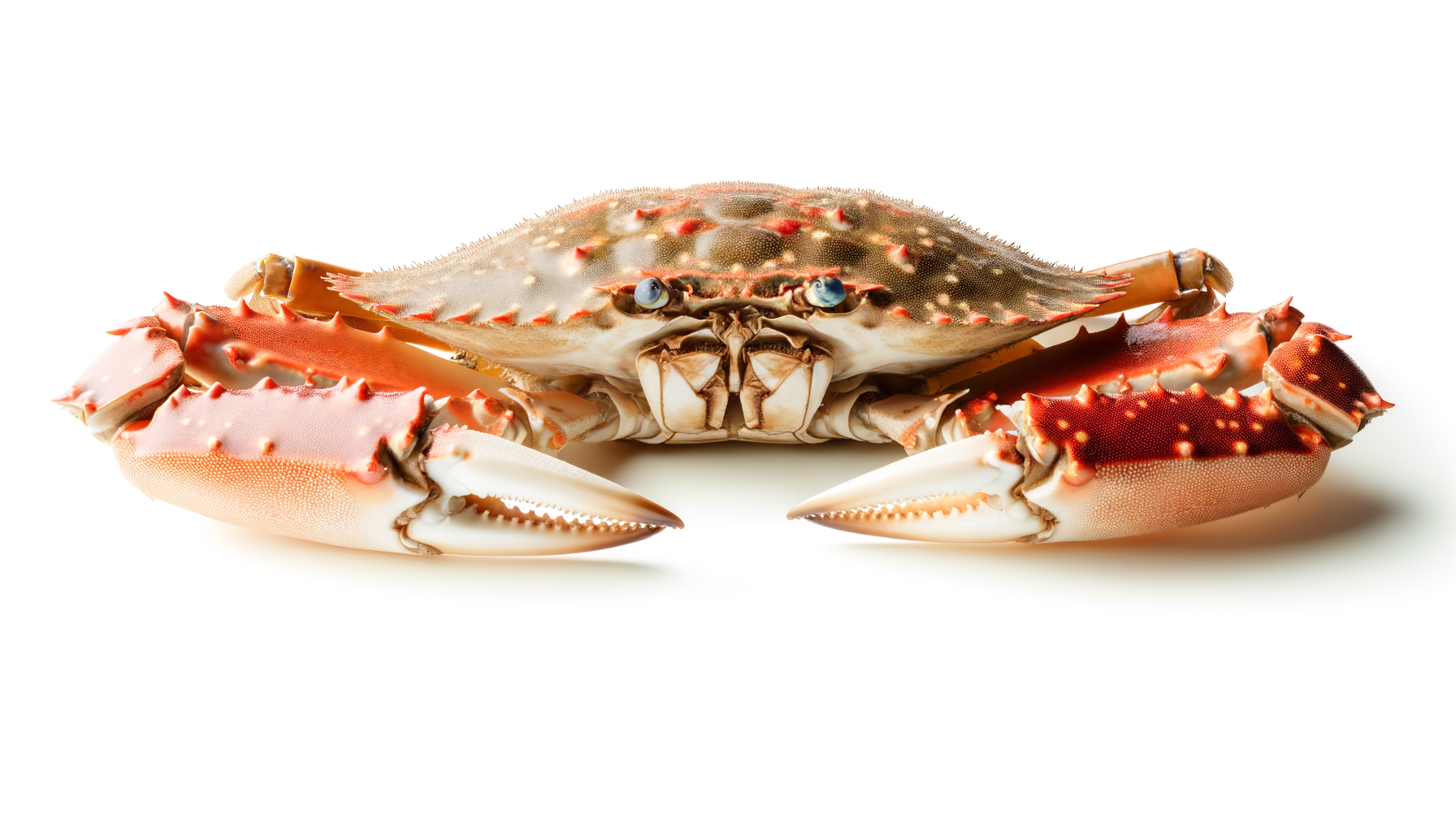
Crab
Brachyura
Sensory Profile
Tastes
Basic flavor profiles
Aromas
Scent characteristics
Stimuli
Sensory sensations
Textures
Physical properties
About Crab
Crab meat is renowned for its delicate, sweet, and slightly briny flavor, with a tender yet firm texture. The taste can vary significantly between species, with blue crabs offering a more pronounced sweetness and Dungeness crabs providing a rich, buttery essence. The meat is often complemented by subtle hints of the ocean, making it a versatile ingredient in various culinary applications. Crab is a prized ingredient in many cuisines worldwide. It can be enjoyed steamed, boiled, or grilled, and is often featured in dishes such as crab cakes, crab boils, and seafood stews. The meat is also commonly used in sushi, salads, and pasta dishes, while crab legs are a popular delicacy served with melted butter. In addition to the meat, crab shells can be utilized to infuse stocks and broths with depth and flavor. Crabs belong to the order Decapoda and are found in oceans, freshwater, and on land across the globe. The Portunidae family, which includes species such as the blue crab (Callinectes sapidus) and the Atlantic rock crab (Cancer irroratus), is particularly abundant in coastal waters. These crabs are often harvested in regions like the Chesapeake Bay in the United States, the Gulf of Mexico, and various parts of Asia, where they are integral to local fisheries and culinary traditions
Associated health effects(13)
- Micronutrient Support
- Heavy Metal Exposure
- Antioxidant
- Allergic Reactions
- Skin Health
- Interaction with Medications
- Cholesterol Management
- Protein Content
- Gastrointestinal Distress
- Heart Health
- Sodium Overload
- Anti-inflammatory
- Cognitive Support
Nutrition per 100 g(4)
- Energy: 87 kcal
- Protein: 19 g
- Fat: 1.5 g
- Fiber: 0 g