
Cranberry Sensory Map
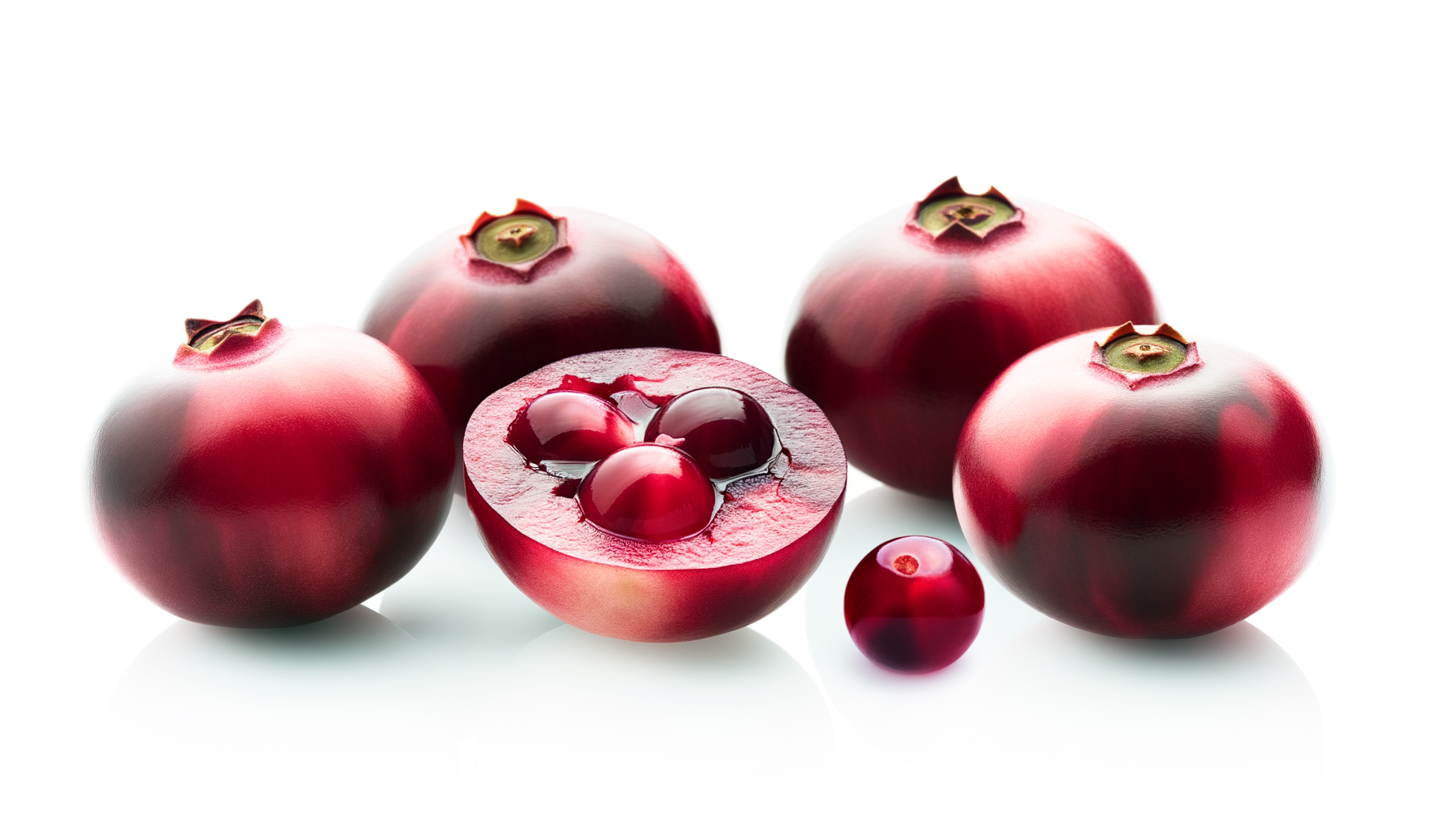
Cranberry
Vaccinium oxycoccos
Sensory Profile
Tastes
Basic flavor profiles
Aromas
Scent characteristics
Stimuli
Sensory sensations
Textures
Physical properties
About Cranberry
Cranberries are known for their tart and slightly astringent flavor, which is balanced by a subtle sweetness when cooked or sweetened. Their bright acidity adds a refreshing zing to dishes, making them a versatile ingredient in both sweet and savory applications. Cranberries are commonly used in sauces, jams, and jellies, particularly during the fall and winter months, where they are a staple in holiday dishes like Thanksgiving turkey. They can also be incorporated into baked goods such as muffins and pies, or used to enhance salads, dressings, and marinades. Dried cranberries serve as a popular snack and are often added to granola, trail mixes, and cereals for a burst of flavor and color. Native to North America, cranberries thrive in wetlands and are primarily cultivated in regions with cooler climates, such as Wisconsin, Massachusetts, and New Jersey. The fruit has been used by Indigenous peoples for centuries, both as a food source and for medicinal purposes. Cranberries are small, round berries that range in color from bright red to deep crimson when ripe. They are unique among fruits for their high acidity and low sugar content, which contributes to their distinctive tartness. Rich in antioxidants and vitamin C, cranberries are also celebrated for their potential health benefits, including urinary tract health.
Associated health effects(12)
- Blood Pressure Support
- Antioxidant
- Allergic Reactions
- Urinary Tract Infection Prevention
- Blood Sugar Support
- Immune Booster
- Digestive Irritation
- Interaction with Medications
- Cholesterol Management
- Antibacterial
- Heart Health
- Anti-inflammatory
Nutrition per 100 g(4)
- Energy: 46 kcal
- Protein: 0.1 g
- Fat: 0.1 g
- Fiber: 4.6 g