
Cream Cheese Sensory Map
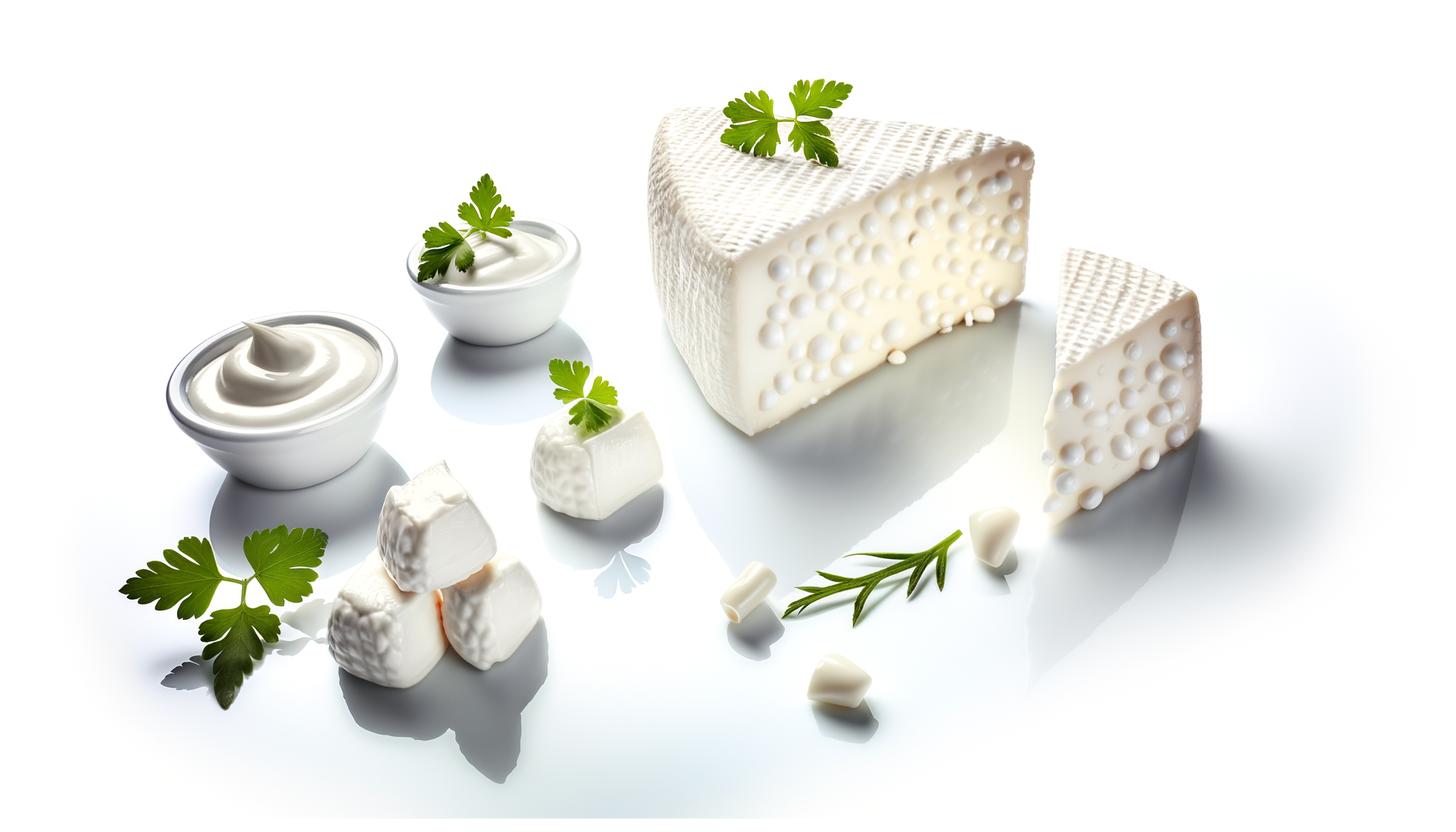
Cream Cheese
Caseus cremosus
Sensory Profile
Tastes
Basic flavor profiles
Aromas
Scent characteristics
Stimuli
Sensory sensations
Textures
Physical properties
About Cream Cheese
Cream cheese boasts a mild, creamy flavor with a slight tanginess, making it a versatile ingredient in both savory and sweet dishes. Its smooth texture and rich mouthfeel enhance dishes without overpowering other flavors. Cream cheese is widely used in various culinary applications. It serves as a key ingredient in cheesecakes, frostings, and dips, providing a luscious base for both sweet and savory spreads. In savory dishes, it can be blended into sauces, used as a filling for pastries, or spread on bagels and crackers. Additionally, it can be incorporated into pasta dishes or used as a creamy component in soups. Cream cheese is believed to have originated in the United States in the 19th century, although similar soft cheeses have been made in Europe for centuries. The modern version was popularized in New York, where it became a staple in American cuisine. Cream cheese is characterized by its soft, spreadable consistency and pale white color. It typically contains around 33% fat, contributing to its rich texture. Available in various forms, including plain, flavored, and whipped, cream cheese is often sold in blocks or tubs, making it convenient for various culinary uses. Its ability to blend seamlessly with other ingredients while adding creaminess makes it a beloved staple in kitchens around the world.
Associated health effects(46)
- Fat-Soluble Vitamin Support
- Caloric Density
- Micronutrient Density
- Listeriosis Risk from Unpasteurized Varieties
- Riboflavin Content Support
- Milk Allergy
- Milk Protein Allergy Symptom Induction
- Calcium Content Support
- Antioxidant
- Allergic Reactions
- Allergy Risk
- Digestive Tolerance
- Saturated Fat and Cholesterol
- Cardiovascular Risk
- LDL and Total Cholesterol Elevation
- Lactose Intolerance
- Cheese Matrix Lipid Absorption Reduction
- Sodium Content
- HDL Cholesterol Elevation
- Vitamin A Support
- Lactose Intolerance Symptom Induction
- Limited Micronutrient Density
- High Caloric Density
- Red Blood Cell Formation and Neurological Function
- Fat-Soluble Vitamin Provision
- Muscle Protein Support
- High Saturated Fat Content
- Allergic Reaction Risk
- High Cholesterol Content
- Obesity and Weight Gain
- Bone Health
- Caloric Excess
- Lactose Tolerance Support
- Protein Content
- B Vitamin Nervous System Support
- Vision and Immune Support
- Vision and Immune Function Support
- Starter Culture Probiotic Support
- Lactic Fermentation-Mediated Gut Microbiota Modulation
- Osteoporosis Prevention
- Probiotic Support (Fermented Cheese)
- Weight Gain
- Muscle Function Support
- Sodium Overload
- Vitamin A Source
- Red Blood Cell Production and Neurological Function
Nutrition per 100 g(4)
- Energy: 342 kcal
- Protein: 6 g
- Fat: 33 g
- Fiber: 0 g