
Cream Sensory Map
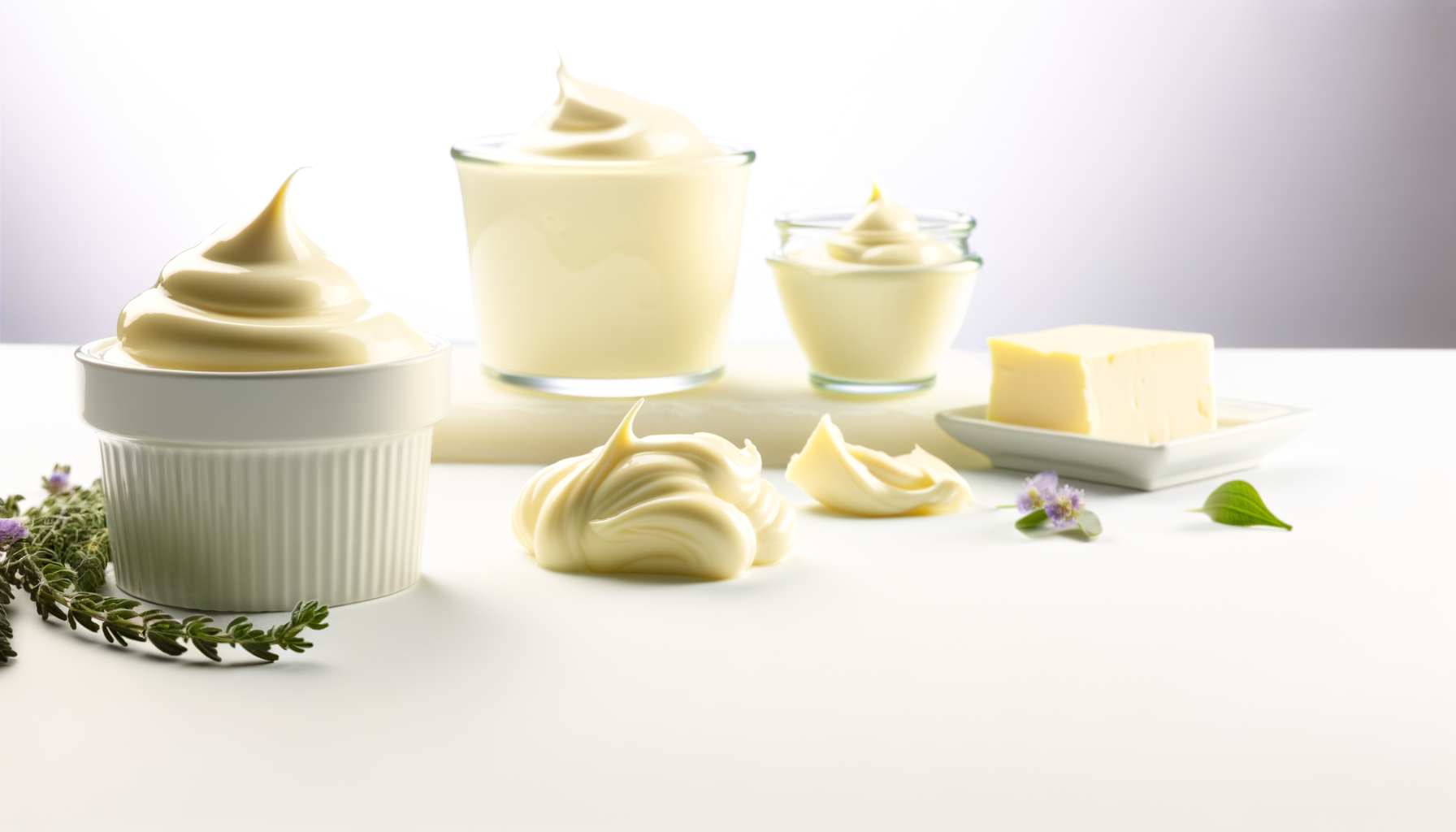
Cream
Ungentum unguentum
Sensory Profile
Tastes
Basic flavor profiles
Aromas
Scent characteristics
Stimuli
Sensory sensations
Textures
Physical properties
About Cream
Cream is not a spice in the traditional sense, but rather a rich dairy product that adds a velvety texture and a subtle sweetness to dishes. Its flavor is creamy and slightly sweet, with a luxurious mouthfeel that enhances both savory and sweet preparations. Cream is a versatile ingredient widely used in various culinary applications. In savory dishes, it is often incorporated into sauces, soups, and risottos to create a rich, smooth consistency. In desserts, cream is essential for making whipped toppings, custards, ice creams, and pastries. It can also be used to enrich coffee or tea, providing a comforting and indulgent experience. The use of cream dates back to ancient civilizations, where it was derived from the milk of domesticated animals such as cows, goats, and sheep. Its origins can be traced to regions with a strong dairy farming tradition, including Europe and parts of Asia. Over centuries, cream has evolved into various forms, including heavy cream, sour cream, and crème fraîche, each with unique characteristics and uses. Cream is characterized by its high fat content, typically ranging from 30% to 40%, which contributes to its rich flavor and ability to emulsify and thicken dishes. It is also known for its ability to stabilize whipped textures, making it a favorite among pastry chefs. The freshness and quality of
Associated health effects(62)
- Emulsifier-Induced Gut Disruption
- Fat-Soluble Vitamin Support
- Satiety Enhancement
- Cholesterol Content Support
- Caloric Density
- Appetite Stimulant
- Emulsifier-Induced Intestinal Inflammation
- Potential Additive-Induced Gut Disturbance
- Milk Allergy
- Satiety Enhancement via Dairy Fat
- Milk Protein Allergy Symptom Induction
- Calcium Content Support
- Allergic Reactions
- Dose-Dependent Effects
- Energy Intake Stimulation
- Dementia Risk
- Digestive Tolerance
- Saturated Fat and Cholesterol
- Cardiovascular Risk
- LDL and Total Cholesterol Elevation
- Worse Cancer Outcomes
- Medium-Chain Fatty Acid Support
- Lactose Intolerance
- Dairy Trans Fat Metabolic Support
- Cancer Risk
- Fat Matrix Cholesterol Neutrality
- HDL Cholesterol Elevation
- Milk Fat Globule Membrane Support
- Diabetes Risk Elevation
- Lactose Intolerance Symptom Induction
- Bacterial Contamination Risk
- Limited Micronutrient Density
- High Caloric Density
- Fat-Soluble Vitamin Provision
- Muscle Protein Support
- Digestive Irritation
- Mood Enhancement
- Foodborne Illness Risk
- Gastric Irritation
- Skin Health
- High Saturated Fat Content
- Allergic Reaction Risk
- High Cholesterol Content
- Obesity and Weight Gain
- Bone Health
- Caloric Excess
- Vision Health
- Digestive Distress
- Medium-Chain Triglyceride Rapid Energy Provision
- Protein Content
- Weight Management
- Muscle Mass Preservation
- Milk-Derived SFA Cardiovascular Protection
- Digestive Mucosal Soothing
- Choline Content Support
- Immune Function
- Weight Gain
- Enhanced Nutrient Absorption
- Lipid Metabolism Support
- Fat-Soluble Vitamin Absorption Support
- Traditional Digestive Soothing
- Digestive Health
Nutrition per 100 g(4)
- Energy: 345 kcal
- Protein: 2 g
- Fat: 35 g
- Fiber: 0 g