
Cremini Sensory Map
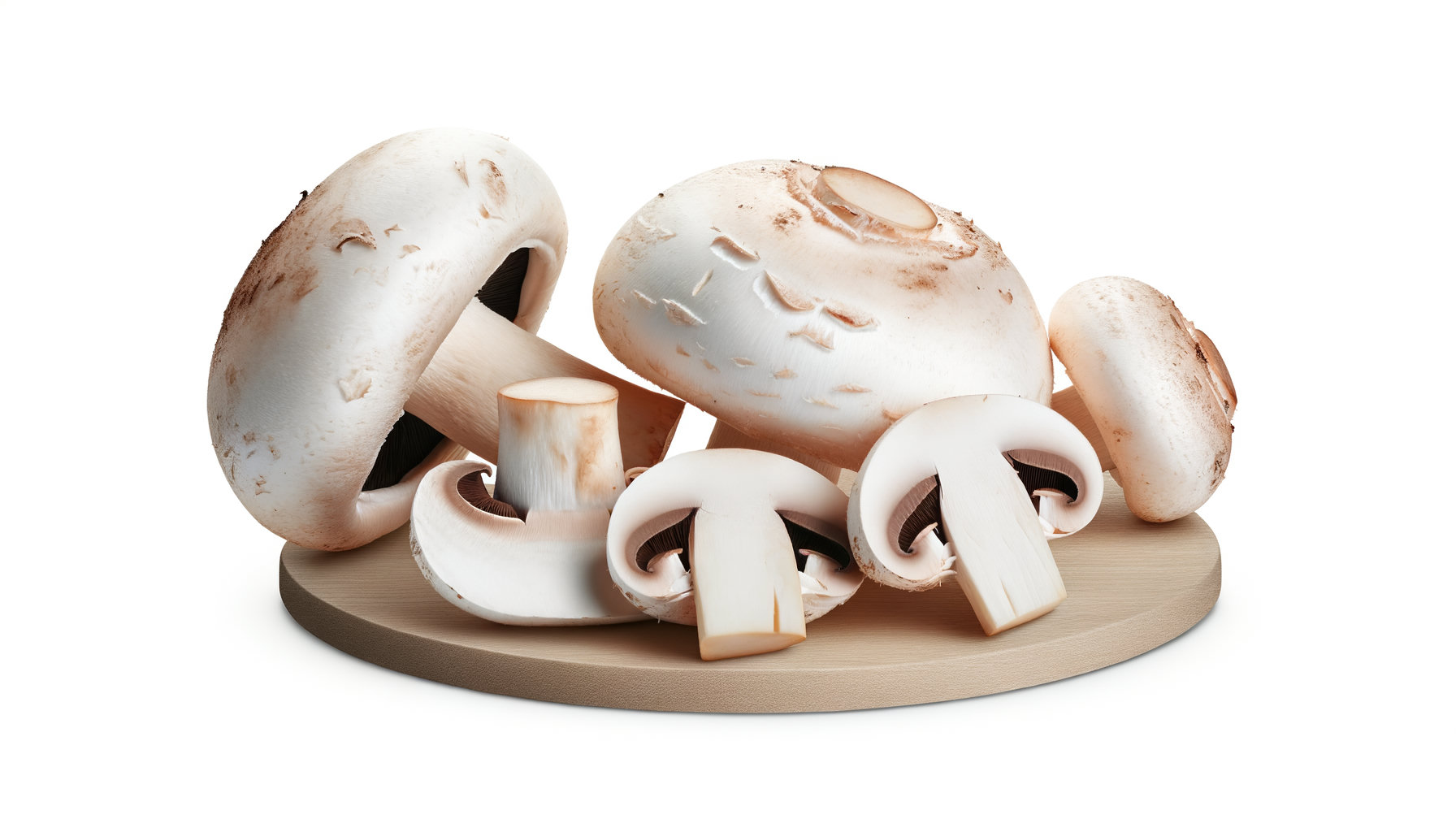
Cremini
Agaricus bisporus
Sensory Profile
Tastes
Basic flavor profiles
Aromas
Scent characteristics
Stimuli
Sensory sensations
Textures
Physical properties
About Cremini
Cremini mushrooms (Agaricus bisporus, aka Portobello, Zucht-Champignon), a member of the Agaricaceae family, are a cultivated variety of the common button mushroom, distinguished by their rich, earthy flavor and firm, meaty texture. Their aroma is characterized by a subtle nuttiness with hints of umami, which intensifies upon cooking, making them an excellent addition to dishes like risottos and sauces. In classic Italian cuisine, cremini mushrooms shine in a traditional risotto alla Milanese, where their robust flavor complements the creamy Arborio rice, enhancing the dish's overall depth through the Maillard reaction during sautéing. Similarly, in French coq au vin, their ability to absorb and enhance the complex flavors of red wine and aromatic vegetables contributes to the dish's layered profile. Originating from Europe, cremini mushrooms have become a staple in various culinary traditions worldwide, particularly in Mediterranean and North American cuisines, where they are often cultivated in controlled environments to ensure consistent quality and flavor. Their unique characteristics include a higher concentration of antioxidants compared to their white button counterparts, which not only contribute to their health benefits but also enhance their flavor profile as they age. As cremini mushrooms mature, their flavor deepens, making them ideal for slow-cooked dishes where their texture holds up beautifully, providing a satisfying bite that contrasts with softer ingredients. This combination of sensory appeal, culinary versatility, and nutritional value solidifies the cremini mushroom's status as a foundational ingredient in both home kitchens and professional culinary settings.
Associated health effects(14)
- Blood Pressure Support
- Intestinal Permeability Reduction
- Micronutrient Support
- Ergothioneine Support
- Antioxidant
- Aromatase Inhibition
- Immune Booster
- Prebiotic Polysaccharide Support
- Dietary Fiber
- Cholesterol Management
- Protein Content
- Neuroprotection
- Anticancer Potential
- Anti-inflammatory
Nutrition per 100 g(4)
- Energy: 35 kcal
- Protein: 2.5 g
- Fat: 0.3 g
- Fiber: 1 g