
Cubeb Pepper Sensory Map
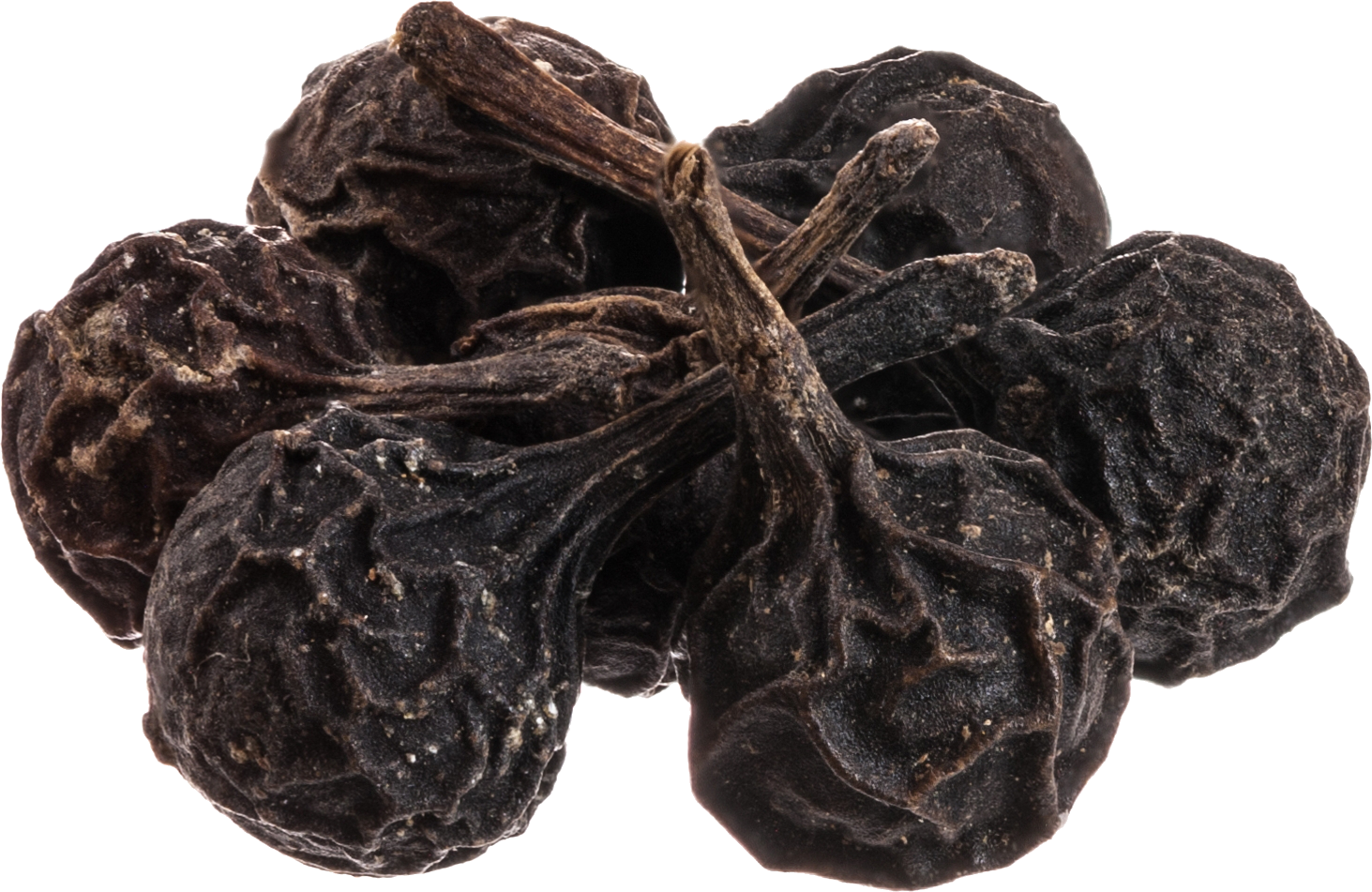
Cubeb Pepper
Piper cubeba
Sensory Profile
Tastes
Basic flavor profiles
Aromas
Scent characteristics
Stimuli
Sensory sensations
Textures
Physical properties
About Cubeb Pepper
Cubeb pepper, often referred to as tailed pepper, boasts a unique flavor that combines the warmth of black pepper with a subtle hint of allspice and a distinctive, slightly bitter aftertaste. Its aromatic profile is characterized by a fresh, woody, and slightly citrusy note, making it an intriguing addition to various dishes. Cubeb pepper is versatile in culinary applications, often used in spice blends, marinades, and sauces. It pairs well with meats, particularly game and poultry, and can enhance the flavor of stews and braises. In Middle Eastern cuisine, it is a key ingredient in spice mixes like ras el hanout. Additionally, cubeb is utilized in pickling and can be infused into beverages, including teas and spirits, for a complex flavor twist. Native to the tropical regions of Southeast Asia, particularly Indonesia, cubeb pepper has been cultivated for centuries. It was historically prized for its medicinal properties and was a popular spice in ancient trade routes, making its way to Europe and the Middle East. Today, it is primarily grown in Indonesia and is less common than its black and white pepper counterparts. Cubeb pepper is easily recognizable by its small, dark berries, which are typically harvested when immature and dried to preserve their unique flavor. The berries feature a distinct stalk or "tail," which gives the spice its name.
Associated health effects(3)
- Nephroprotection
- Hepatoprotection
- Anti-inflammatory
Nutrition per 100 g(4)
- Energy: 335 kcal
- Protein: 10 g
- Fat: 5 g
- Fiber: 25 g