
Cumin Sensory Map
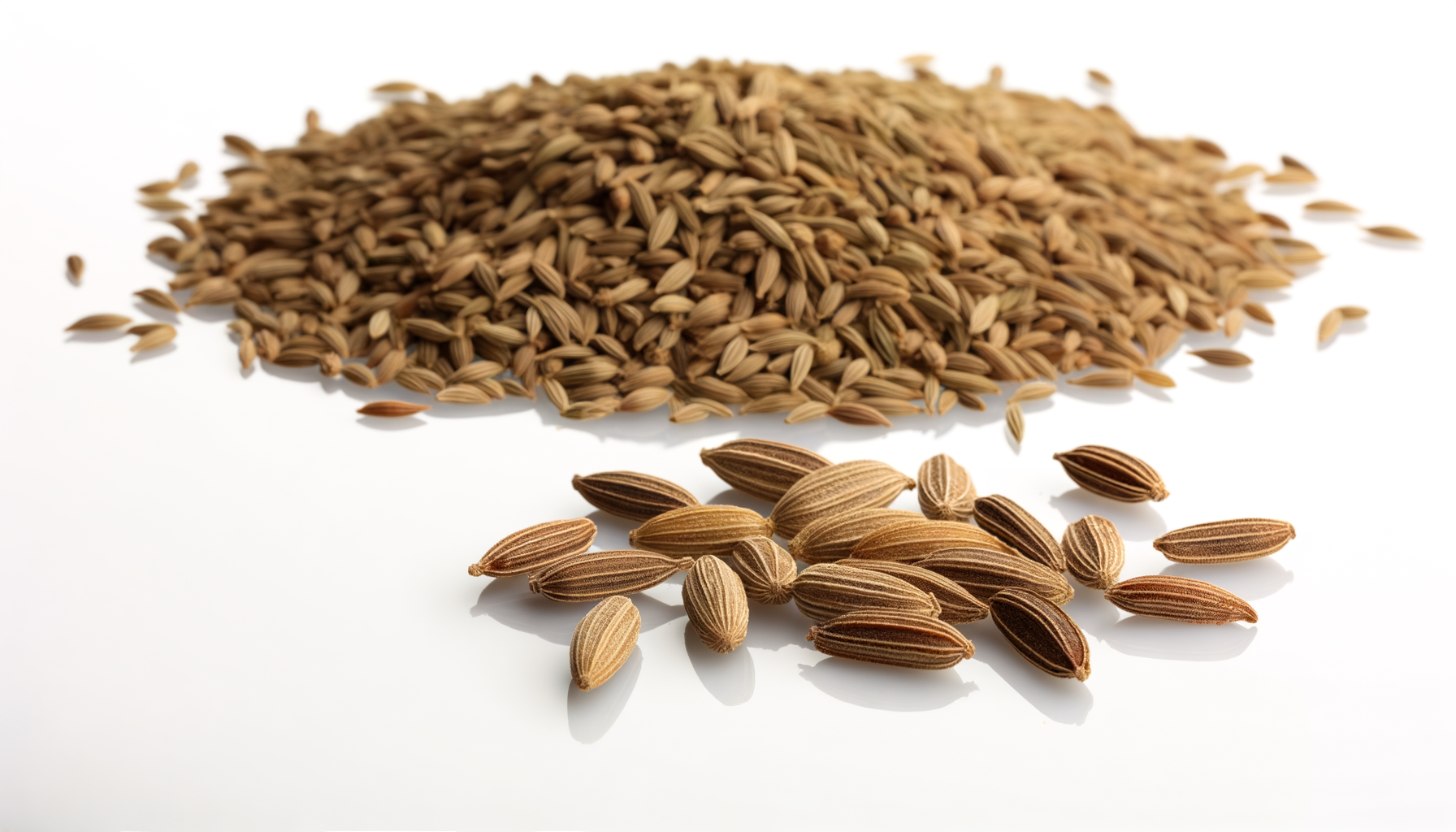
Cumin
Cuminum cyminum
Sensory Profile
Tastes
Basic flavor profiles
Aromas
Scent characteristics
Stimuli
Sensory sensations
Textures
Physical properties
About Cumin
Cumin is characterized by its warm, earthy flavor with a slightly nutty and spicy undertone. Its aroma is robust and aromatic, often described as pungent and somewhat citrusy, making it a staple in various culinary traditions. Cumin is widely used in spice blends such as garam masala, chili powder, and curry powder. It is a key ingredient in Middle Eastern, Indian, Mexican, and North African cuisines, enhancing dishes like curries, stews, tacos, and roasted vegetables. Cumin can be used in both whole seed and ground form, with the whole seeds imparting a more intense flavor when toasted before use. Cumin is believed to have originated in the eastern Mediterranean and South Asia, with historical references dating back to ancient Egypt and the Roman Empire. Today, it is cultivated in various regions, including India, Iran, Syria, and Turkey, with India being the largest producer. Cumin seeds are small, elongated, and ridged, typically brownish-yellow in color. They are often confused with caraway seeds, but cumin has a more intense flavor. Cumin is not only valued for its culinary applications but also for its potential health benefits, including digestive support and antioxidant properties. Its versatility and distinctive flavor make it an essential spice in kitchens around the world.
Associated health effects(17)
- Antioxidant
- Allergic Reactions
- Nephroprotection
- Liver Support
- Blood Sugar Support
- Immune Booster
- Digestive Irritation
- Skin Health
- Interaction with Medications
- Cholesterol Management
- Metabolism Booster
- Weight Management
- Digestive Aid
- Respiratory Support
- Anti-inflammatory
- Carminative
- Cognitive Support
Nutrition per 100 g(4)
- Energy: 375 kcal
- Protein: 18 g
- Fat: 22.3 g
- Fiber: 10.5 g