
Curry leaf Sensory Map
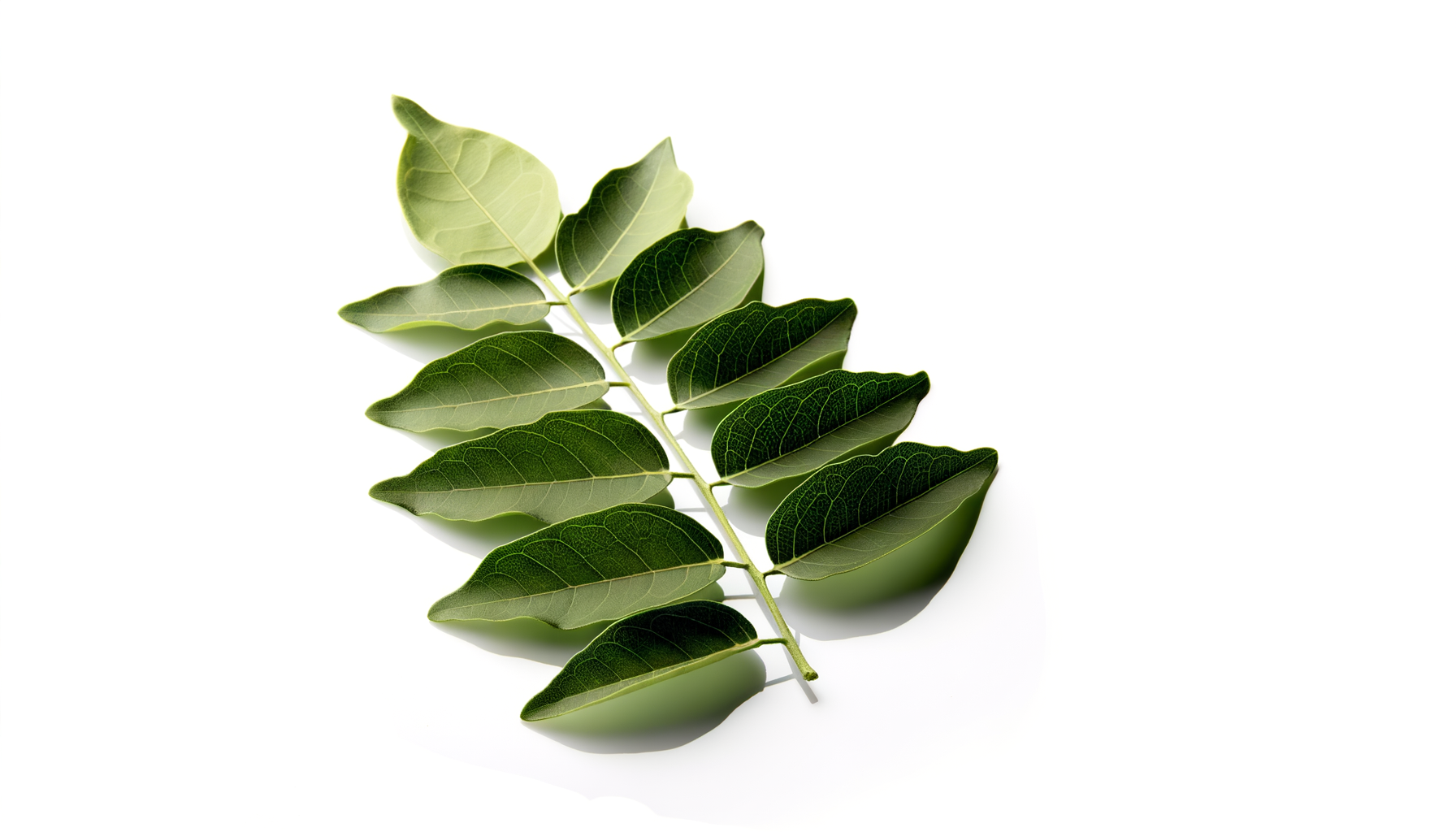
Curry leaf
Bergera koeniglii
Sensory Profile
Tastes
Basic flavor profiles
Aromas
Scent characteristics
Stimuli
Sensory sensations
Textures
Physical properties
About Curry leaf
Curry leaves possess a unique, aromatic flavor that is both citrusy and slightly nutty, with hints of anise and a subtle earthiness. When cooked, they release a fragrant oil that enhances dishes with a warm, herbal complexity. Primarily used in Indian and Southeast Asian cuisines, curry leaves are often sautéed in oil or ghee to infuse their flavor into curries, dals, and rice dishes. They are a key ingredient in tempering, where they are added to hot oil along with mustard seeds, cumin, and other spices to create a flavorful base for various dishes. Curry leaves can also be used in chutneys, soups, and marinades, and are sometimes added to salads for a fresh, aromatic touch. Curry leaves are native to the Indian subcontinent, particularly in regions of India, Sri Lanka, and parts of Southeast Asia. They thrive in warm, tropical climates and are commonly cultivated in home gardens and farms across these regions. The leaves are small, glossy, and deep green, growing in a pinnate arrangement on slender stems. Unlike the spice blend known as curry powder, which is a mixture of various spices, curry leaves are used fresh or dried for their distinct flavor. Fresh leaves are preferred for their vibrant taste, while dried leaves are less potent but still valuable in cooking.
Associated health effects(12)
- Antioxidant
- Nephroprotection
- Cancer-Preventive
- Antifungal
- Blood Sugar Support
- Hepatoprotection
- Cholesterol Management
- Antibacterial
- Neuroprotection
- Heart Health
- Digestive Aid
- Anti-inflammatory
Nutrition per 100 g(4)
- Energy: 36 kcal
- Protein: 3 g
- Fat: 1 g
- Fiber: 4 g