
Curry Plant Sensory Map
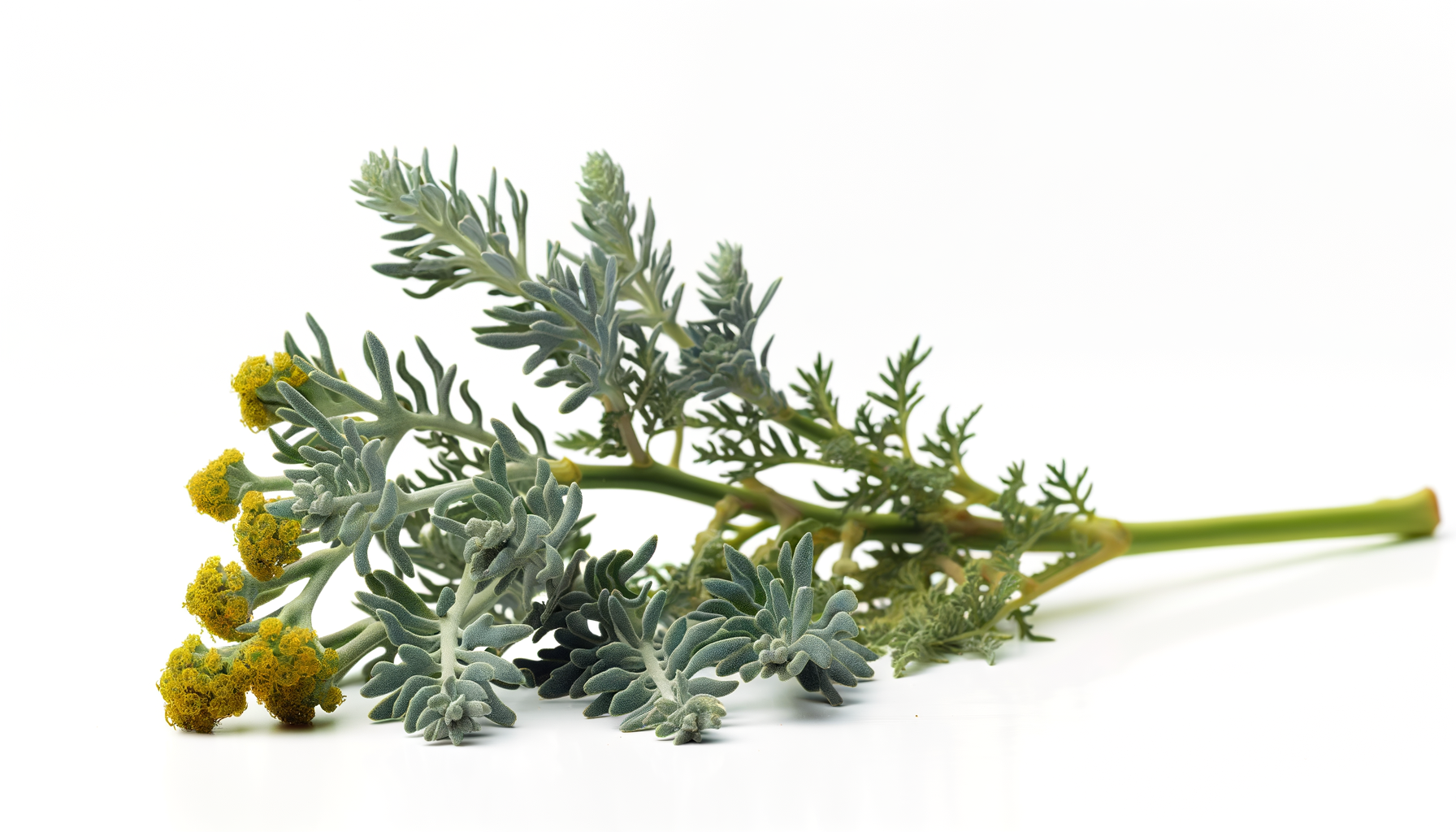
Curry Plant
Helichrysum italicum
Sensory Profile
Tastes
Basic flavor profiles
Aromas
Scent characteristics
Stimuli
Sensory sensations
Textures
Physical properties
About Curry Plant
The Curry Plant, often referred to as "curry herb," boasts a unique and aromatic flavor that is reminiscent of traditional curry spices, with a distinctively warm, slightly sweet, and herbal profile. Its scent is often described as a blend of curry and a hint of citrus, making it a delightful addition to various dishes. Primarily used as a culinary herb, the Curry Plant is commonly employed in Mediterranean cuisine. Its leaves can be used fresh or dried to enhance soups, stews, and sauces, imparting a subtle curry-like flavor. It pairs well with roasted vegetables, meats, and fish, and can also be infused into oils or vinegars for a fragrant dressing. However, it is important to use it sparingly, as its potent flavor can easily overpower other ingredients. Native to the Mediterranean region, particularly in countries like Italy, France, and Spain, the Curry Plant thrives in well-drained soils and sunny climates. It is often found growing wild in rocky, dry areas and is cultivated in herb gardens for both culinary and ornamental purposes. The Curry Plant is an evergreen perennial characterized by its narrow, silvery-green leaves that are covered in fine hairs, giving them a velvety appearance. The plant produces small, yellow flower clusters that bloom in summer, attracting pollinators. Its resilience to drought and ability to thrive in
Associated health effects(31)
- Potential Additive Hypoglycemia
- Cardiovascular Protection
- Antioxidant
- Allergic Reactions
- Italidione-Mediated Antioxidant Activity
- Wound Healing
- Alpha-amylase Inhibition
- Pain Relief
- Liver Support
- No Unique Nutritional Advantage
- Blood Sugar Support
- Blood Sugar Regulation
- Immune Booster
- Immune Modulation
- Vision Protection
- No Evidence of Toxicity, Heavy Metals, or Contaminants
- Hepatoprotection
- Skin Health
- Interaction with Medications
- Bone Health
- Cholesterol Management
- Alpha-glucosidase Inhibition
- Hair Health
- Weight Management
- Antibacterial
- Neuroprotection
- Contact Dermatitis
- Topical Skin Relief
- Digestive Aid
- Anticancer Potential
- Anti-inflammatory
Nutrition per 100 g(4)
- Energy: 36 kcal
- Protein: 3 g
- Fat: 1.5 g
- Fiber: 2.5 g