
Dehydrated Butter Sensory Map
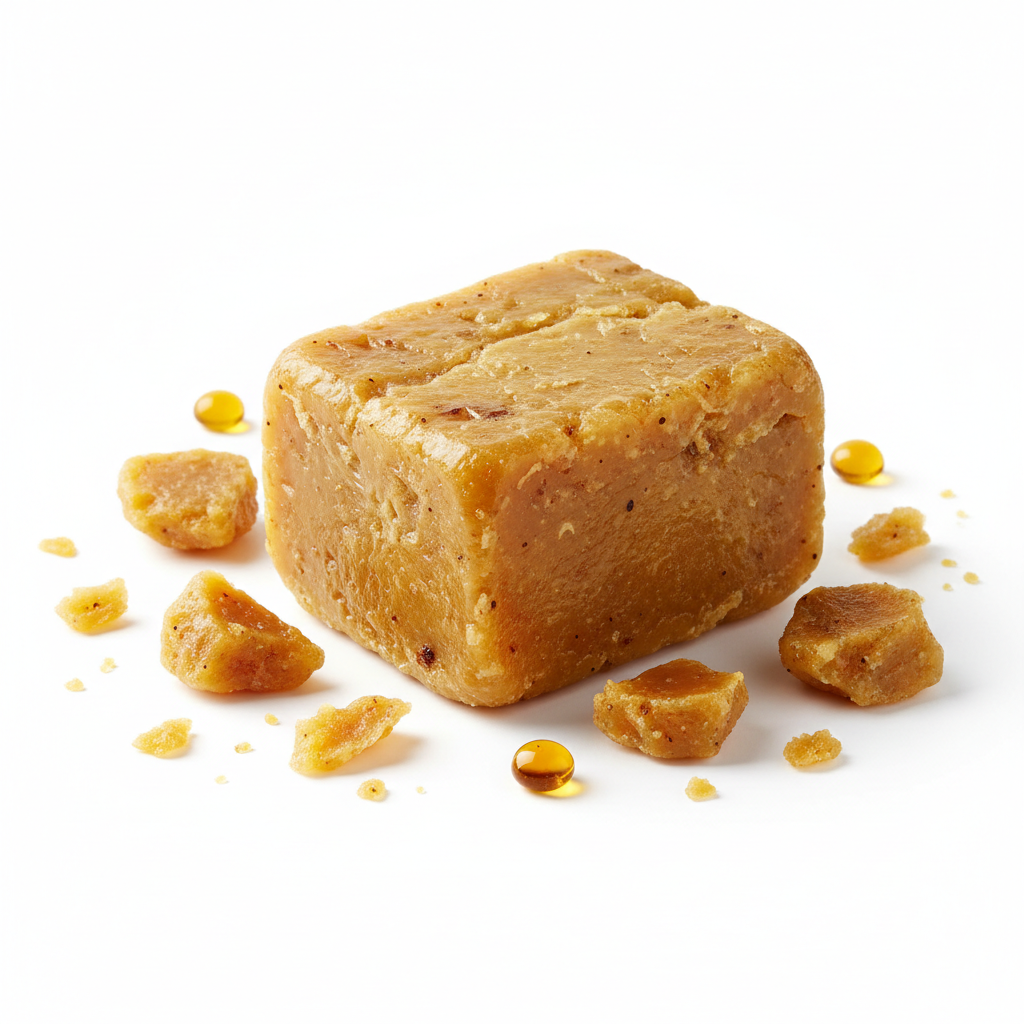
Dehydrated Butter
Butyrum
Sensory Profile
Tastes
Basic flavor profiles
Aromas
Scent characteristics
Stimuli
Sensory sensations
Textures
Physical properties
About Dehydrated Butter
Dehydrated Butter (Butyrum) is a highly concentrated anhydrous milk fat produced through the meticulous centrifugal separation or thermal evaporation of water and non-fat milk solids from high-quality cream. Its sensory profile is defined by an intense, toasted nutty aroma and a deep, lactonic sweetness reminiscent of butterscotch and browned hazelnuts, offering a dense, velvety mouthfeel that lacks the waxy residue often found in vegetable-based fats. In professional pastry, it is the definitive choice for **Pâte Feuilletée** and **Traditional Shortbread**, where its absence of moisture prevents premature gluten development, ensuring a superior, shatteringly crisp crumb and a distinct "melt-in-the-mouth" quality that water-containing butters cannot achieve. Historically rooted in the preservation traditions of South Asia and the Middle East—most notably as the precursor to *Ghee* or *Samna*—this ingredient was traditionally rendered over slow fires to induce the Maillard reaction between residual proteins and lactose, yielding a shelf-stable fat with a high smoke point of approximately 485°F (252°C). Unlike standard butter, dehydrated butter is chemically unique due to its nearly 100% lipid content, which allows it to act as a powerful flavor carrier for fat-soluble aromatics while providing the structural integrity required for high-ratio cakes and professional-grade emulsified sauces.
Associated health effects(10)
- Satiety Enhancement
- Butter Allergy Risk
- Type 2 Diabetes Risk Reduction
- Palmitic Acid-Linked LDL Cholesterol Elevation
- Fat-Soluble Vitamin Provision
- All-Cause Mortality Risk Elevation
- Caloric Density Support
- Saturated Fat Load
- Excess Calorie Intake
- Fat-Soluble Vitamin Absorption Support
Nutrition per 100 g(4)
- Energy: 748 kcal
- Protein: 1 g
- Fat: 83 g
- Fiber: 0 g