
Dijon Mustard Sensory Map
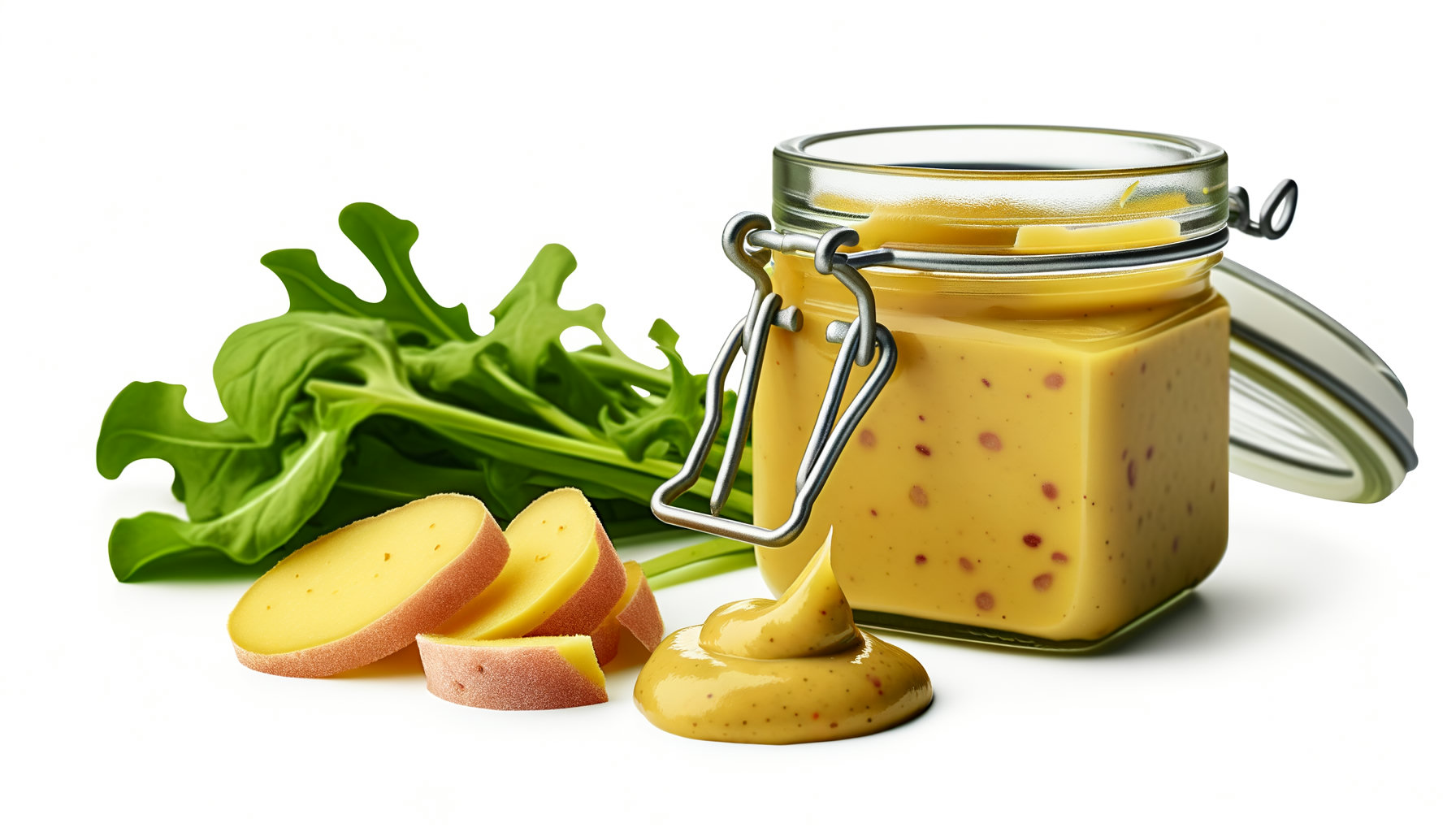
Dijon Mustard
Brassica nigra
Sensory Profile
Tastes
Basic flavor profiles
Aromas
Scent characteristics
Stimuli
Sensory sensations
Textures
Physical properties
About Dijon Mustard
Dijon Mustard (Brassica nigra) is a finely textured condiment renowned for its sharp, piquant flavor profile, characterized by a complex interplay of heat and tanginess that lingers on the palate. Its aroma is distinctly pungent, with a slight earthiness reminiscent of freshly cracked black pepper, and a subtle hint of vinegar that enhances its overall brightness. The smooth, creamy texture of Dijon mustard allows it to emulsify effortlessly into dressings and sauces, providing a luxurious mouthfeel that complements a variety of dishes. Culinary applications for Dijon mustard are numerous, but it shines particularly in classic French preparations such as Coq au Vin, where it acts as a flavor enhancer, deepening the umami notes of the braised chicken and harmonizing with the wine's acidity. In vinaigrettes, its emulsifying properties help stabilize the mixture, ensuring a cohesive blend of oil and vinegar that clings beautifully to salads. Additionally, when used in marinades for meats, the mustard's enzymes break down proteins, tenderizing the meat while imparting a rich, savory depth that elevates the dish. Originating from the Dijon region of France, this mustard has deep cultural significance, often associated with the culinary refinement of French cuisine. Traditional production methods involve grinding the seeds of the black mustard plant, Brassica nigra, with white wine or wine vinegar, a technique that not only enhances flavor but also contributes to its distinctive sharpness. What sets Dijon mustard apart is its unique balance of acidity and heat, which is achieved through a careful selection of mustard seeds and the fermentation process. The aging of Dijon mustard allows its flavors to mature, resulting in a more nuanced taste that can range from mildly spicy to intensely sharp, depending on the specific blend and production methods used. This complexity makes Dijon mustard an indispensable ingredient in both professional kitchens and home cooking, where it serves as a foundational element for sauces, dressings, and marinades.
Associated health effects(37)
- Isothiocyanate-Mediated Anticancer Activity
- Insulin Sensitivity Enhancement
- Micronutrient Density
- Selenium Status Improvement
- Colonic Transit Enhancement
- Constipation Relief
- Drug Interactions
- Antioxidant
- Allergic Reactions
- Acidity-Induced Gastric Irritation
- Wound Healing
- Lipid Profile Improvement
- Sodium Content
- Blood Sugar Support
- Low Caloric Density
- Vitamin K Source
- Blood Sugar Regulation
- Immune Booster
- High Sodium Content
- Digestive Enzyme Stimulation
- Digestive Irritation
- Mineral Content
- Sulfur Compound Digestive Stimulation
- Dietary Fiber
- Skin Health
- Allergic Reaction Risk
- Blood Pressure Elevation
- Metabolism Booster
- LDL Cholesterol Reduction
- Antibacterial
- Immune Function
- Heart Health
- Contact Dermatitis
- Low-Calorie Flavor Support
- Digestive Aid
- Anticancer Potential
- Anti-inflammatory
Nutrition per 100 g(4)
- Energy: 71 kcal
- Protein: 4.4 g
- Fat: 3.3 g
- Fiber: 2.1 g