
Dill Sensory Map
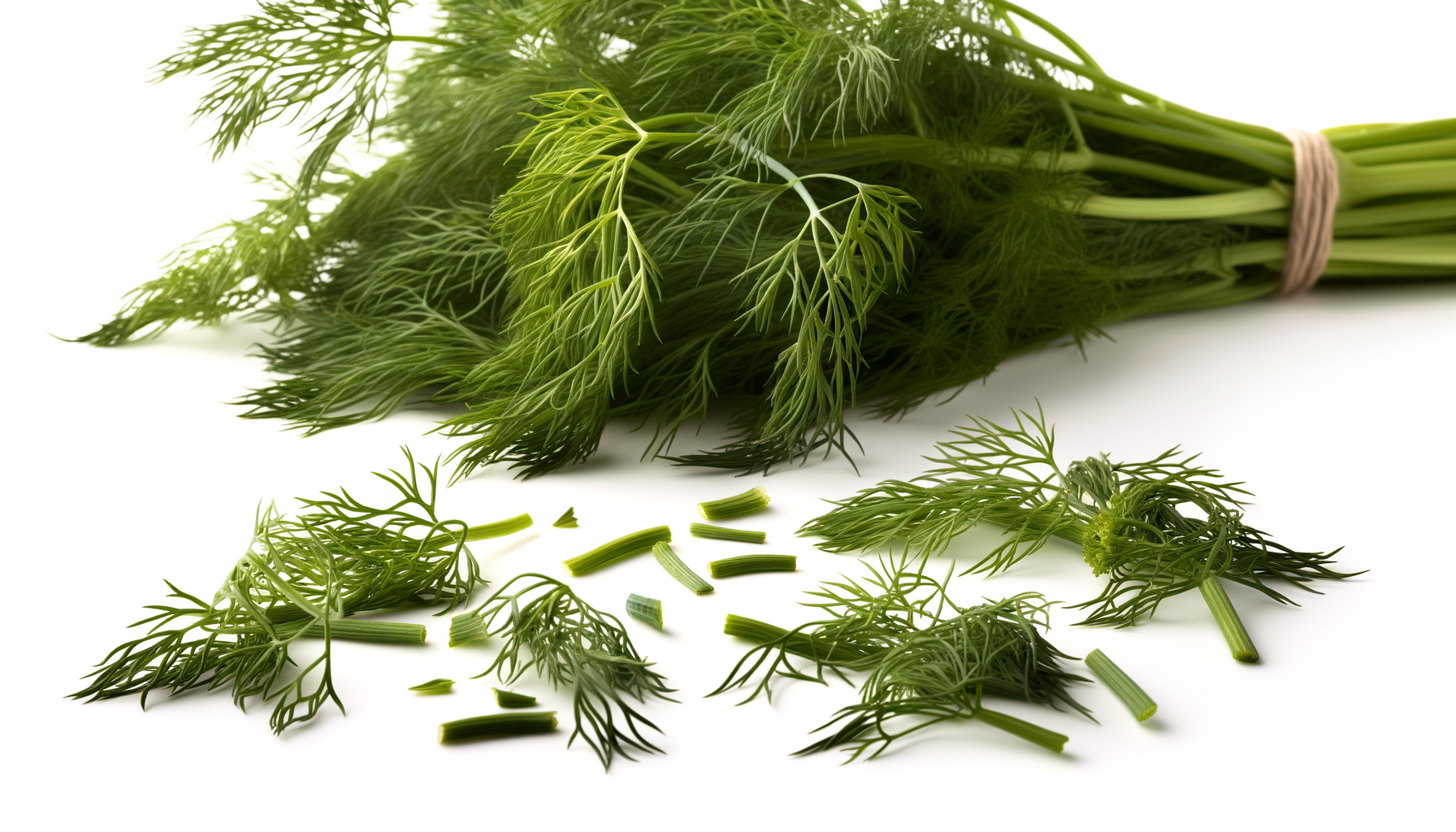
Dill
Anethum graveolens
Sensory Profile
Tastes
Basic flavor profiles
Aromas
Scent characteristics
Stimuli
Sensory sensations
Textures
Physical properties
About Dill
Dill boasts a unique flavor that is both fresh and slightly tangy, with a hint of anise and citrus. Its delicate, herbaceous notes are complemented by a subtle sweetness, making it a versatile spice that enhances a variety of dishes. Dill is widely used in culinary applications, particularly in Mediterranean, Eastern European, and Scandinavian cuisines. It is a key ingredient in pickling brines, lending its distinctive flavor to pickles and fermented vegetables. Fresh dill is often used to season fish, especially salmon, and is a classic addition to creamy sauces, dressings, and dips. It pairs well with potatoes, cucumbers, and yogurt-based dishes, as well as in soups and stews. Dried dill retains much of its flavor and can be used in spice blends or as a seasoning for roasted meats and vegetables. Dill is believed to have originated in the Mediterranean region and has been cultivated for thousands of years. It is mentioned in ancient texts, including the Bible, and was valued not only for its culinary uses but also for its medicinal properties. Today, dill is grown in many parts of the world, including Europe, Asia, and North America. Dill is characterized by its feathery, fern-like leaves and small yellow flowers, which bloom in umbrella-shaped clusters. The plant reaches a height of about
Associated health effects(13)
- Micronutrient Support
- Antioxidant
- Allergic Reactions
- Blood Sugar Support
- Interaction with Medications
- Nausea Relief
- Cholesterol Management
- Gastrointestinal Relief
- Antibacterial
- Heart Health
- Digestive Aid
- Anti-inflammatory
- Carminative
Nutrition per 100 g(4)
- Energy: 36 kcal
- Protein: 3 g
- Fat: 1 g
- Fiber: 2 g