
Dill Seeds Sensory Map
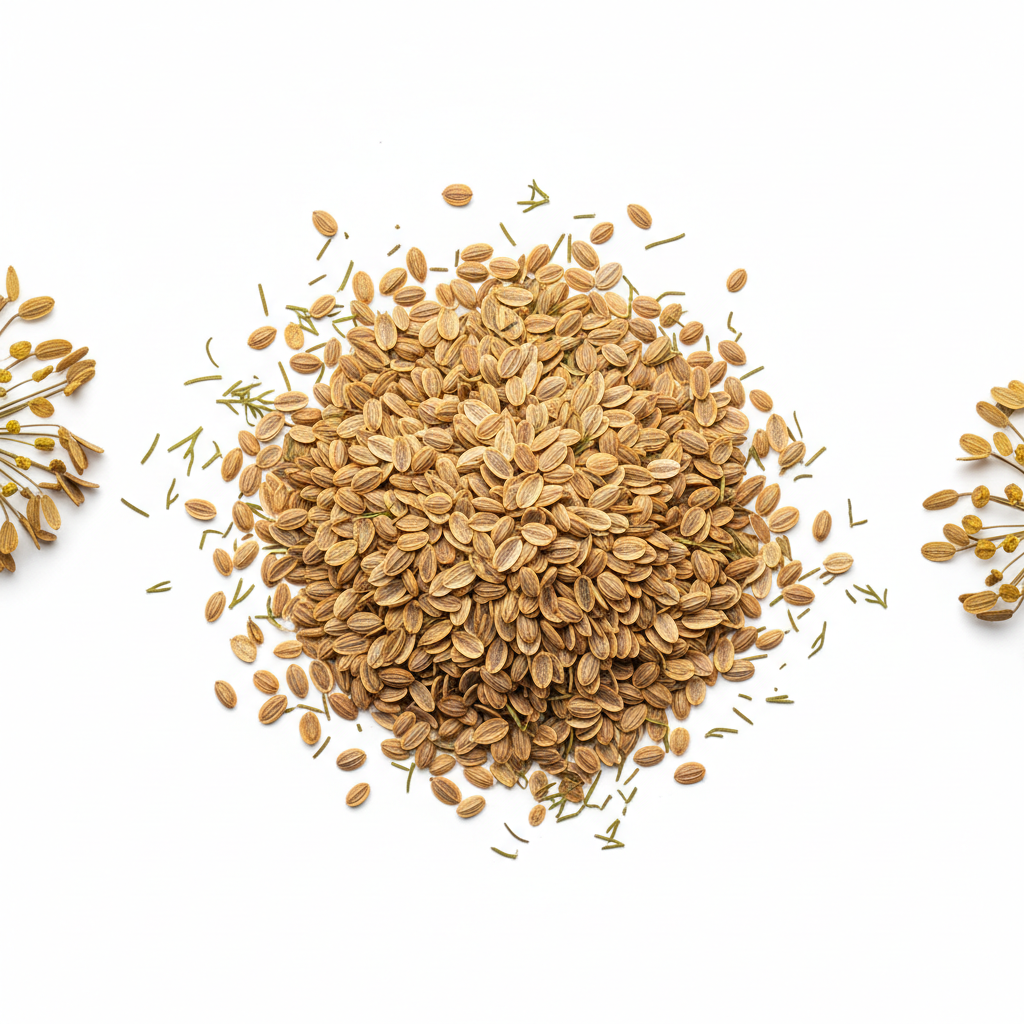
Dill Seeds
Anethum graveolens
Sensory Profile
Tastes
Basic flavor profiles
Aromas
Scent characteristics
Stimuli
Sensory sensations
Textures
Physical properties
About Dill Seeds
Dill Seeds (Anethum graveolens) possess a complex sensory profile characterized by a pungent, camphoraceous warmth and a distinct bitterness that differentiates them from the delicate, grassy notes of the plant’s fronds. Their aroma is dominated by carvone and limonene, yielding a scent reminiscent of caraway and anise but with a sharp, woody undertone and a firm, slightly fibrous texture that provides a subtle crunch when toasted. In iconic applications such as Scandinavian Gravlax or Central European lacto-fermented pickles, the seeds’ high concentration of essential oils acts as a potent antimicrobial agent, while their tannins help maintain the structural integrity of vegetable cell walls, preventing softening during the brining process. Historically rooted in the Mediterranean and Western Asia, these seeds became a cornerstone of Eastern European and Nordic cuisines, where they were traditionally harvested after the umbels turned golden-brown to ensure peak oil concentration before being air-dried. What distinguishes dill seeds technically is their high mineral content and the presence of volatile compounds that withstand prolonged heat better than the herb, allowing them to infuse heavy fats and proteins—such as those in a classic *Borscht* or potato-based braises—with a persistent, earthy acidity that cuts through richness.
Associated health effects(10)
- Insulin Sensitivity Enhancement
- Drug Interactions
- Antioxidant
- Digestive Spasm Relief
- Allergic Reaction Risk
- Blood Lipid Profile Improvement
- LDL Cholesterol Reduction
- Essential Oil Oral Toxicity
- Digestive Aid
- Carminative
Nutrition per 100 g(4)
- Energy: 335 kcal
- Protein: 18 g
- Fat: 15 g
- Fiber: 38 g