
Disodium inosinate Sensory Map
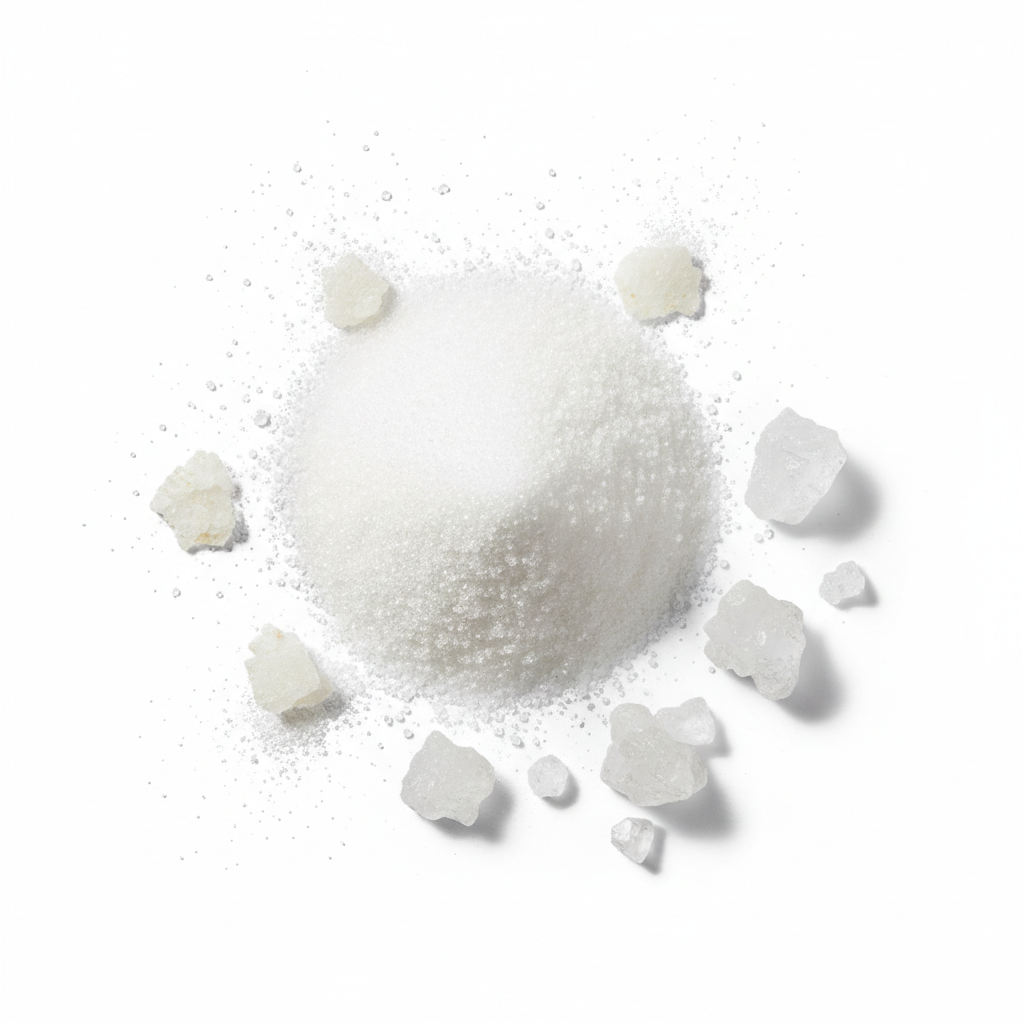
Disodium inosinate
Sensory Profile
Tastes
Basic flavor profiles
Aromas
Scent characteristics
Stimuli
Sensory sensations
Textures
Physical properties
About Disodium inosinate
Disodium inosinate (E631, orange label = unsafe, may trigger gout, not permitted in foods for infants and young children). is a high-potency flavor modifier that functions not by contributing a distinct taste of its own, but by acting as a chemical catalyst that triggers a synergistic reaction with glutamic acid to exponentially amplify the perception of savory "umami." On the palate, it provides a profound sense of "mouth-coating" richness and a lingering, savory finish that mimics the depth of long-simmered animal proteins, though it lacks a discernible aroma or texture in its isolated crystalline form. This additive is indispensable in the production of commercial Dashi and instant ramen broths, where it works in tandem with disodium guanylate to replicate the complex nucleotide profile of katsuobushi (fermented skipjack tuna), effectively lowering the threshold at which the human tongue detects savory compounds. While traditionally derived from the enzymatic degradation of sardines or meat byproducts, modern high-purity inosinate is often produced through the microbial fermentation of tapioca starch or sugar beets, reflecting a shift toward scalable, biotechnological sourcing. What distinguishes disodium inosinate from simple flavor enhancers like MSG is its specific molecular affinity for the T1R1 and T1R3 taste receptors; when paired with glutamates in a 1:50 ratio, it can increase flavor intensity by up to eightfold, allowing chefs and food scientists to achieve a "long-cooked" flavor profile in rapid-service applications without the prohibitive time requirements of traditional bone-stock reduction.
Associated health effects(6)
- Umami Flavor Enhancement
- Hypersensitivity-Like Reaction Risk
- At-Risk Populations
- Purine Metabolism-Linked Uric Acid Elevation
- Flavor Enhancement-Mediated Dietary Compliance Support
- Food Palatability Enhancement
Nutrition per 100 g(4)
- Energy: 4 kcal
- Protein: 0.1 g
- Fat: 0.1 g
- Fiber: 0 g