
Dragon Fruit Sensory Map
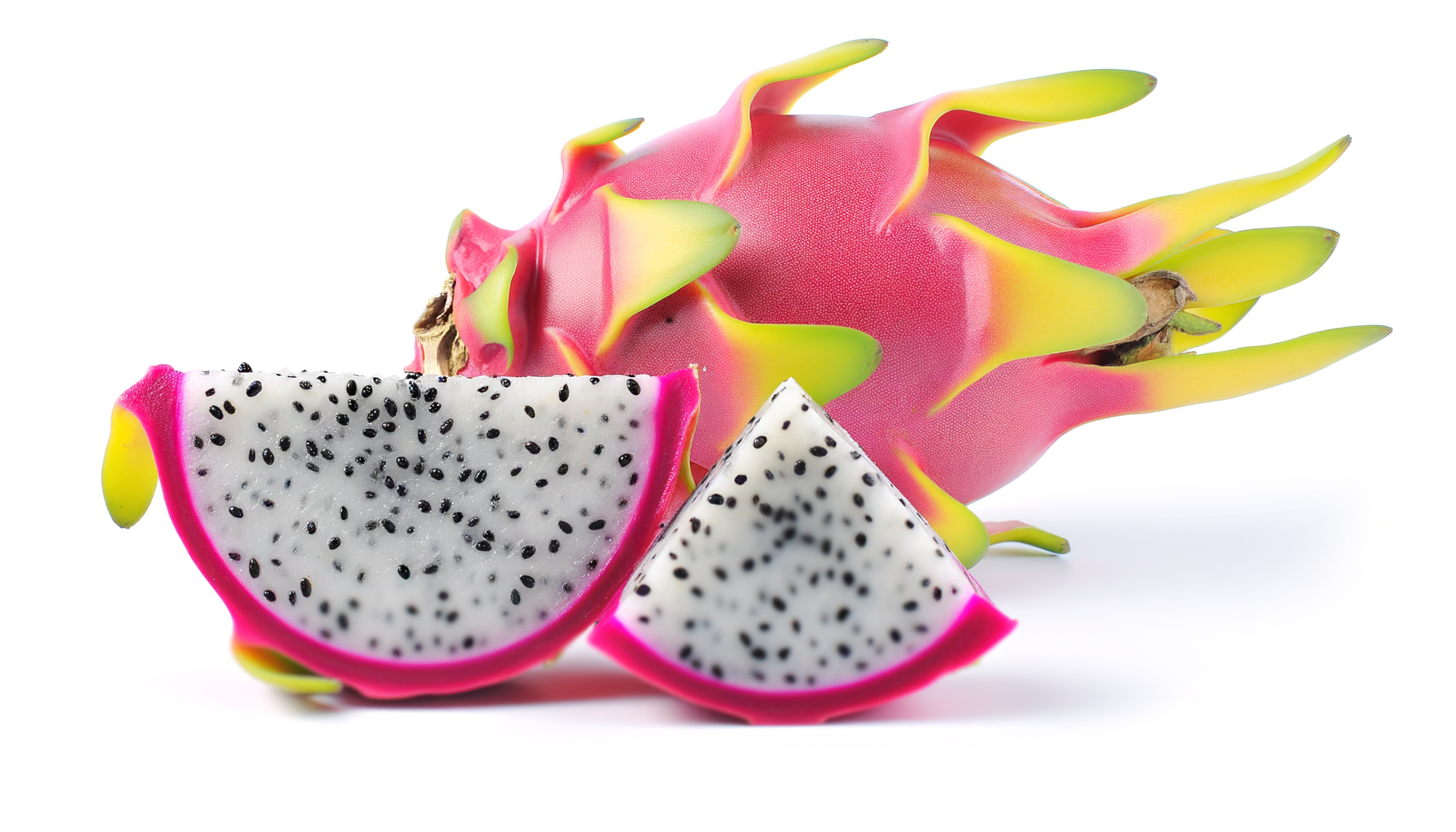
Dragon Fruit
Hylocereus undatus
Sensory Profile
Tastes
Basic flavor profiles
Aromas
Scent characteristics
Stimuli
Sensory sensations
Textures
Physical properties
About Dragon Fruit
Dragon fruit, also known as pitaya, boasts a subtly sweet flavor reminiscent of a blend between kiwi and pear, with a mild, refreshing quality. Its flesh is creamy and slightly crunchy due to the tiny black seeds embedded within, adding a unique textural element to its taste experience. This vibrant fruit is versatile in the kitchen. It can be enjoyed fresh, sliced into salads, or blended into smoothies for a tropical twist. Dragon fruit is also popular in desserts, such as sorbets and fruit bowls, and can be used as a visually striking garnish for cocktails and other dishes. Its mild flavor allows it to pair well with both sweet and savory ingredients, making it suitable for salsas, sauces, and even savory rice dishes. Native to Central America, dragon fruit is cultivated primarily in tropical and subtropical regions around the world, including Southeast Asia, Israel, and Australia. The plant belongs to the Cactaceae family and is characterized by its striking, bright pink or yellow skin and green, scale-like protrusions. Dragon fruit is easily recognizable due to its unique appearance, featuring a vibrant exterior that resembles a mythical creature. The fruit is not only visually appealing but also rich in antioxidants, vitamins, and minerals, making it a nutritious addition to any diet. The cactus plant itself is hardy and thrives in arid environments
Associated health effects(161)
- Safety and Toxicity
- Dragon Fruit Pigment-Induced Stool and Urine Discoloration
- Temporary Pigment Excretion-Related Discoloration
- Blood Pressure Support
- Butyrate Production Enhancement
- Blood Sugar Control
- Squalene-Mediated Cholesterol Regulation
- Micronutrient Support
- Diet Quality Improvement
- Satiety Enhancement
- Beta-Carotene Source
- Insulin Sensitivity Enhancement
- Micronutrient Density
- Vitamin C Content Support
- Intestinal Barrier Integrity Enhancement
- Colonic Transit Enhancement
- Prebiotic Fiber-Mediated Gut Microbiota Support
- Colonic Cancer Risk Reduction
- Prebiotic Fructooligosaccharide Support
- Vitamin C Support
- Constipation Relief
- Dietary Prebiotic Support
- Flatulence and Bloating
- Betacyanin Antioxidant Activity
- Red Pigment Excretion-Related Urine and Stool Discoloration
- Cardiovascular Protection
- Digestive Discomfort from Excess Fruit Fiber
- Antioxidant
- Allergic Reactions
- Cardiovascular Health
- Allergy Risk
- Vitamin E Source
- Gut Health Promotion
- Prebiotic Fiber-Induced Beneficial Microbiota Stimulation
- B Vitamin Enrichment
- Gastrointestinal Upset
- Betalain Excretion-Related Stool Discoloration
- Vitamin C Enrichment
- Vitamin C Antiscorbutic Activity
- Digestive Tolerance
- Blood Pressure Reduction
- Vitamin Content Support
- General nutrient support
- Colon/Gut Health Promotion
- Pitaya Oligosaccharide Prebiotic Activity
- Gastrointestinal Barrier Integrity Enhancement
- Nutritional Advantages
- Wound Healing
- Digestive Bulk Support
- Cancer-Preventive
- Lipid Profile Improvement
- Liver Support
- Blood Cholesterol Reduction
- Betalain Pigment Provision
- Colonic Barrier Protection
- HDL Cholesterol Elevation
- Fluid balance and hydration support
- Gastrointestinal Discomfort from Excess Fruit Fiber
- Low Fat Content
- Blood Sugar Support
- Drug Absorption Interference
- HDL Cholesterol Enhancement
- Appetite Reduction via Fiber-Induced Satiety
- Red/Pink Urine or Stool Discoloration
- Water Content Support
- Low Caloric Density
- Prebiotic Fiber-Mediated Gut Microbiota Modulation
- Free Radical Scavenger
- Antidiabetic Activity
- Blood Sugar Regulation
- Oligosaccharide-Mediated Prebiotic Support
- Limited Micronutrient Density
- Immune Booster
- Pitaya-Induced Stool Pigmentation
- Fructose Intolerance Risk
- Beeturia
- Chronic Disease Prevention
- Carotenoid Source
- Polyphenol-Mediated Antioxidant Activity
- Betalain Provision
- Electrolyte Replenishment
- Betalain-Induced Pigment Excretion
- Pigment-Related Stool and Urine Discoloration
- Betalain-Mediated Endothelial Function Enhancement
- Iron Content Support (Fruit-Specific)
- Anti-steatotic Activity
- Foodborne Illness Risk
- Anti-obesity Activity
- Iron Content Support
- No Evidence of Toxicity, Heavy Metals, or Contaminants
- Kidney Support
- Mineral Content
- Glycemic Index Modulation via Oligosaccharides
- Squalene-Mediated Anti-inflammatory Activity
- Betalain-Induced Stool and Urine Discoloration
- Dietary Fiber
- Skin Health
- Allergic Reaction Risk
- Prebiotic Fiber-Mediated Gut Microbiota Improvement
- Bone Health
- Gastrointestinal Discomfort
- Nutritional Content Support
- Blood Lipid Profile Improvement
- Prebiotic Support
- Antioxidant Polyphenol Provision
- Digestive Distress
- Cholesterol Management
- Anemia Prevention
- Digestive Relief via Carminative Action
- Vitamin C Provision
- Betalain-Mediated Anti-inflammatory Activity
- Magnesium Content Support
- Dragon Fruit Latex Allergy
- Potassium Content Support
- Antioxidant Immunity Support
- Antiscorbutic Activity
- Fruit-Derived Prebiotic Oligosaccharide Support
- Betacyanin-Mediated Glycemic Control
- Betalain Anti-inflammatory Activity
- Weight Management
- Betacyanin Excretion-Related Urine Discoloration
- Carbohydrate Absorption Inhibition-Mediated Glycemic Control
- Cholesterol-Free Nature
- Digestive Upset
- DNA Damage Reduction
- LDL Cholesterol Reduction
- Complex Carbohydrate Content
- False Laboratory Test Pigment Interference
- Potassium
- High Satiety
- Betalain-Mediated Gut Microbiota Support
- Betalain Excretion-Related Urine and Stool Discoloration
- Fiber Content
- Arterial Stiffness Reduction
- Betacyanin Excretion-Related Urine and Stool Discoloration
- Glycemic Impact
- Triglyceride Reduction
- Laxative Activity
- Immune Function
- Low Glycemic Impact
- Betalain Antioxidant Activity
- Low Allergenicity
- Neuroprotection
- Digestive Prebiotic Support
- Gastrointestinal Distress
- Heart Health
- Antioxidan Activity
- Antiviral
- Magnesium
- Mucilage-Mediated Bowel Regularity
- Lipid Metabolism Support
- Iron Absorption Enhancement
- Digestive Aid
- Betacyanin Provision
- Cholesterol Improvement
- Oligosaccharide Prebiotic Support
- Allergenic Reaction Risk
- Digestive Health
- Anticancer Potential
- Anti-inflammatory
- Blood Glucose Regulation
Nutrition per 100 g(4)
- Energy: 60 kcal
- Protein: 1 g
- Fat: 0.6 g
- Fiber: 3 g