
Dulse Sensory Map
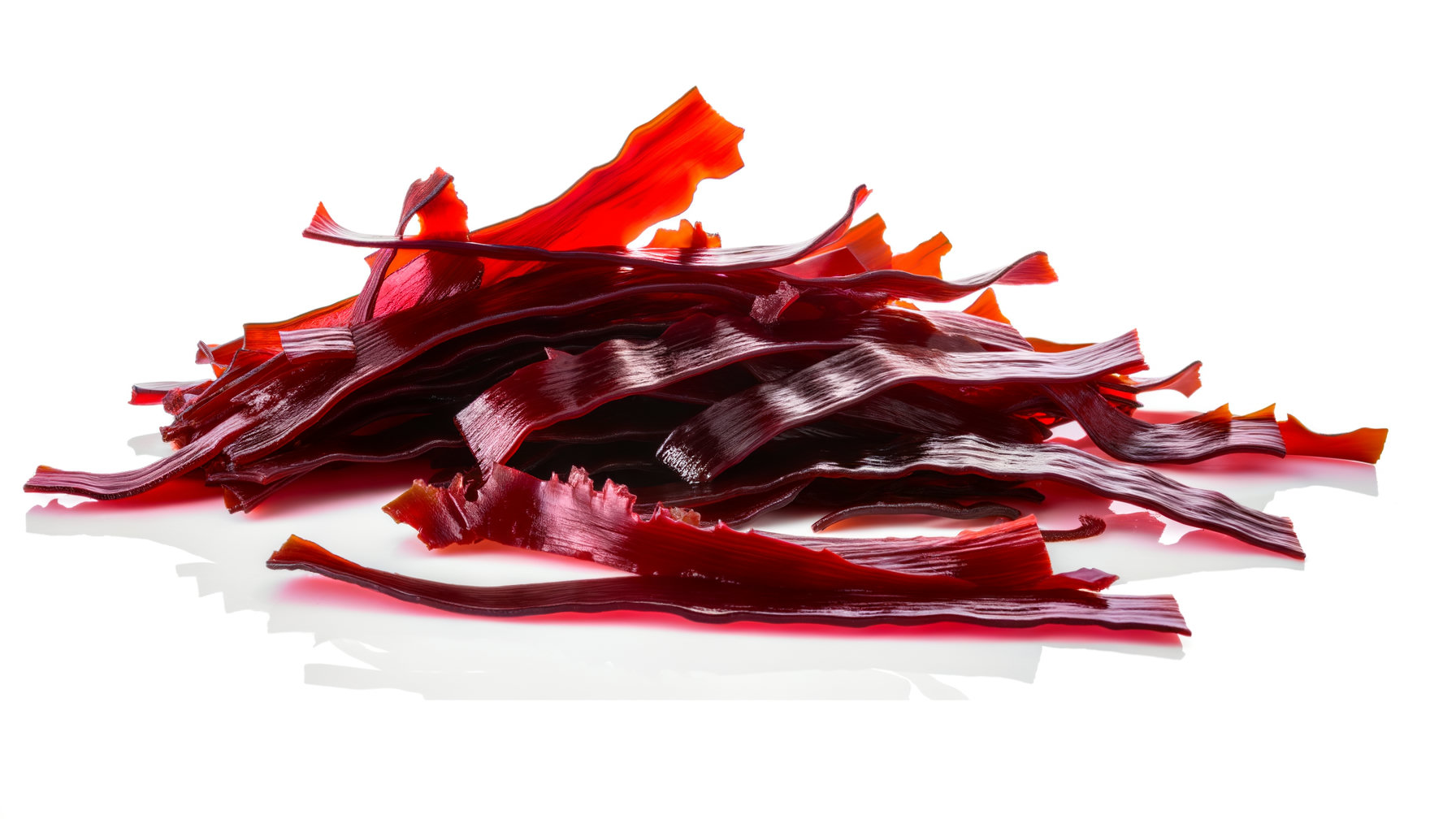
Dulse
Palmaria palmata
Sensory Profile
Tastes
Basic flavor profiles
Aromas
Scent characteristics
Stimuli
Sensory sensations
Textures
Physical properties
About Dulse
Dulse (Palmaria palmata) is a red algae belonging to the Palmariaceae family, renowned for its complex sensory profile that captivates both chefs and food enthusiasts alike. With a distinctive umami flavor, Dulse offers a savory, slightly briny taste reminiscent of the ocean, complemented by subtle notes of earthiness and a hint of sweetness. Its texture is both tender and chewy, providing a satisfying mouthfeel that enhances dishes without overwhelming them. The aroma is evocative of the sea, with a fresh, mineral quality that can elevate the overall sensory experience of a dish. Culinary applications for Dulse are rich and varied; it is a key ingredient in traditional Irish dishes such as **Dulse Soup**, where its umami depth enhances the broth, and in **Dulse Butter**, which showcases its ability to impart a savory richness that complements seafood and vegetables alike. Additionally, Dulse is often used in **seaweed salads**, where its texture and flavor harmonize beautifully with sesame oil and vinegar, creating a dish that is both refreshing and nutrient-dense. The unique chemical composition of Dulse, particularly its high levels of glutamic acid, contributes to its umami profile, making it an excellent flavor enhancer in a variety of culinary contexts. Geographically, Dulse is primarily harvested along the coasts of the North Atlantic, particularly in regions such as Ireland, Canada, and the northeastern United States, where it holds cultural significance as a traditional food source. Historically, it has been hand-harvested from rocky shorelines, often sun-dried or air-dried to preserve its vibrant color and flavor. This traditional method not only enhances its shelf life but also concentrates its flavors, making it a sought-after ingredient in both rustic and modern cuisines. What sets Dulse apart is its unique nutritional profile, rich in vitamins, minerals, and antioxidants, as well as its ability to absorb flavors during cooking, making it a dynamic ingredient in both hot and cold dishes. Its natural moisture content allows it to rehydrate quickly, making it an excellent addition to soups and stews, while its high protein content and low fat make it a desirable choice for health-conscious culinary applications. The combination of its sensory attributes, traditional harvesting methods, and nutritional benefits solidifies Dulse's status as a remarkable ingredient in the world of culinary seaweeds.
Associated health effects(60)
- Blood Pressure Support
- Liver Protection via Polyphenols
- Heavy Metal Contamination Risk from Edible Seaweeds
- Micronutrient Density
- Vitamin C Content Support
- Dietary Prebiotic Support
- Calcium Content Support
- Antioxidant
- Hyperkalemia Risk
- Cardiovascular Health
- Culinary Herb Potassium Contribution
- B Vitamin Enrichment
- Nutrient density: minerals, protein, and vitamins
- Blood Pressure Reduction
- Potassium Excess Risk
- Folate Source
- General nutrient support
- Vitamin B12 Provision
- Lipid Profile Improvement
- Sodium Content
- Blood Cholesterol Reduction
- Heavy Metal Accumulation from Edible Seaweeds
- Iodine Excess-Induced Thyroid Dysfunction
- Iodine Status Improvement
- Potassium Overload Risk
- Culinary Herb Phytonutrient Contribution
- Carotenoid Provision
- Anti-obesity Activity
- Iron Content Support
- Mineral Content
- Electrolyte Balance Support
- Dietary Fiber
- Culinary Herb Micronutrient Contribution
- Skin Health
- Allergic Reaction Risk
- Bone Health
- Prebiotic Support
- Sulfated Polysaccharide Immune Modulation
- Anemia Prevention
- Brain Health
- Magnesium Content Support
- Potassium Content Support
- Culinary Herb Polyphenol Contribution
- Protein Content
- Culinary Herb Nutrient Density
- Vitamin B12 Support
- Thyroid Hormone Production Support
- Iodine Excess Risk
- Iodine Provision
- Excess Potassium-Induced Hyperkalemia Risk
- Potassium
- Bioactive Peptide Support
- Digestive Prebiotic Support
- Complete Protein Support
- Magnesium
- Digestive Aid
- Digestive Health
- Anticancer Potential
- Anti-inflammatory
- Cardiometabolic Syndrome Protection
Nutrition per 100 g(4)
- Energy: 113 kcal
- Protein: 25 g
- Fat: 0.6 g
- Fiber: 6 g