
Durian Sensory Map
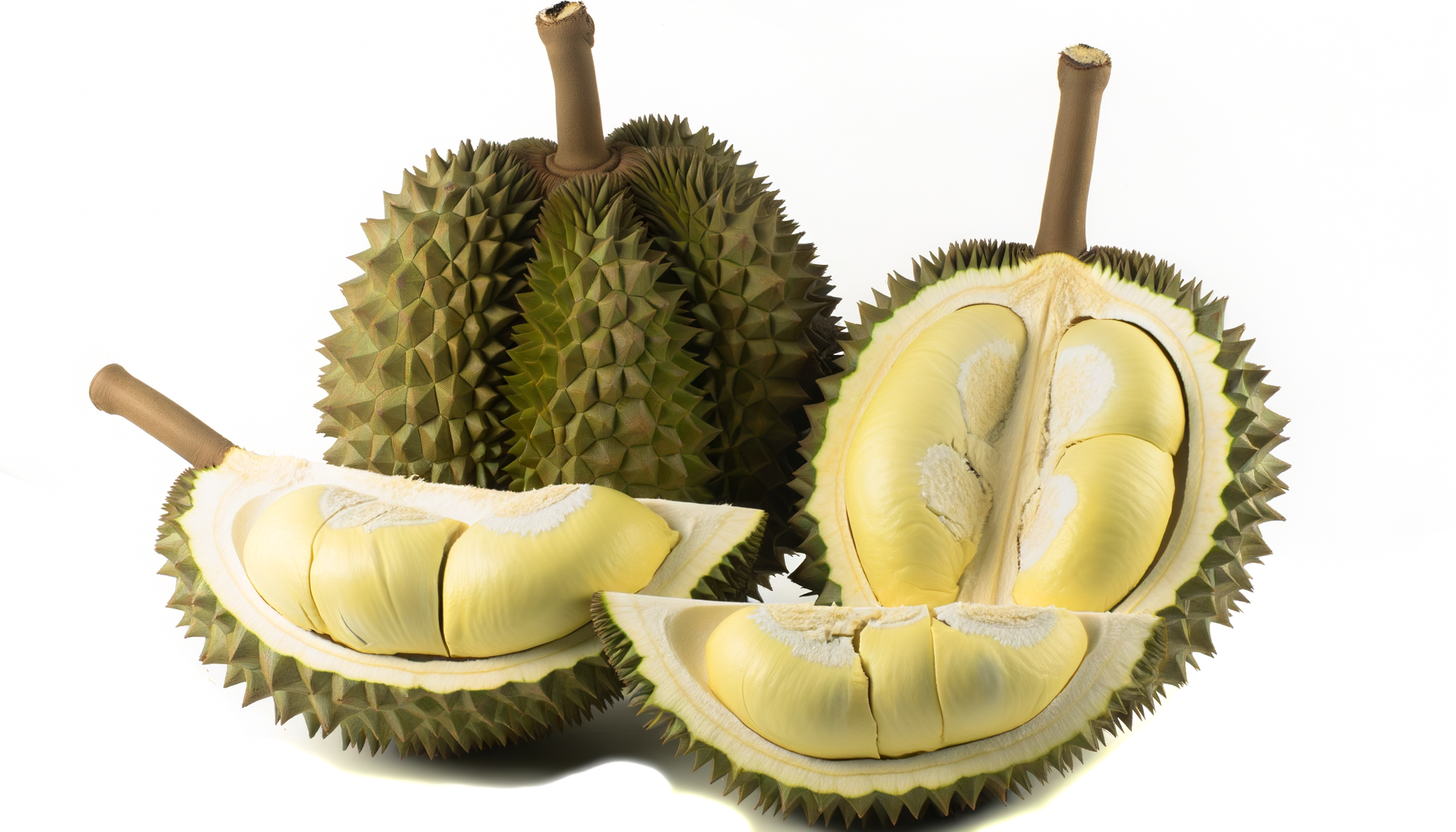
Durian
Durio zibethinus
Sensory Profile
Tastes
Basic flavor profiles
Aromas
Scent characteristics
Stimuli
Sensory sensations
Textures
Physical properties
About Durian
Durian is often referred to as the "king of fruits," renowned for its complex and polarizing flavor. The flesh is creamy and custard-like, with a rich, sweet taste that combines notes of almond, cheese, caramel, and garlic. Its pungent aroma, often described as strong and offensive, can be a barrier for some, while others find it intoxicatingly fragrant. In culinary applications, durian is versatile. It can be enjoyed fresh, used in desserts such as ice creams, pastries, and cakes, or incorporated into savory dishes, particularly in Southeast Asian cuisine. It is also used to flavor beverages and is sometimes fermented to create unique snacks. In some cultures, durian is paired with sticky rice or coconut milk, enhancing its creamy texture and flavor. Native to Southeast Asia, durian is believed to have originated in the rainforests of Malaysia and Indonesia. It thrives in tropical climates and is cultivated extensively in countries like Thailand, Malaysia, and the Philippines, where it holds cultural significance and is celebrated in festivals. Durian is easily identifiable by its large, spiky exterior, which can weigh up to several kilograms. The fruit's thick, thorny husk protects its soft, yellowish flesh, which is encased in segments. The fruit's strong odor, often likened to rotten onions.
Associated health effects(9)
- Antioxidant
- Folate Source
- Nutritional Advantages
- Aphrodisiac
- Hepatoprotection
- Dietary Fiber
- Cholesterol Management
- Potassium
- Anti-inflammatory
Nutrition per 100 g(4)
- Energy: 147 kcal
- Protein: 1.47 g
- Fat: 5.33 g
- Fiber: 3.8 g