
Eel Sensory Map
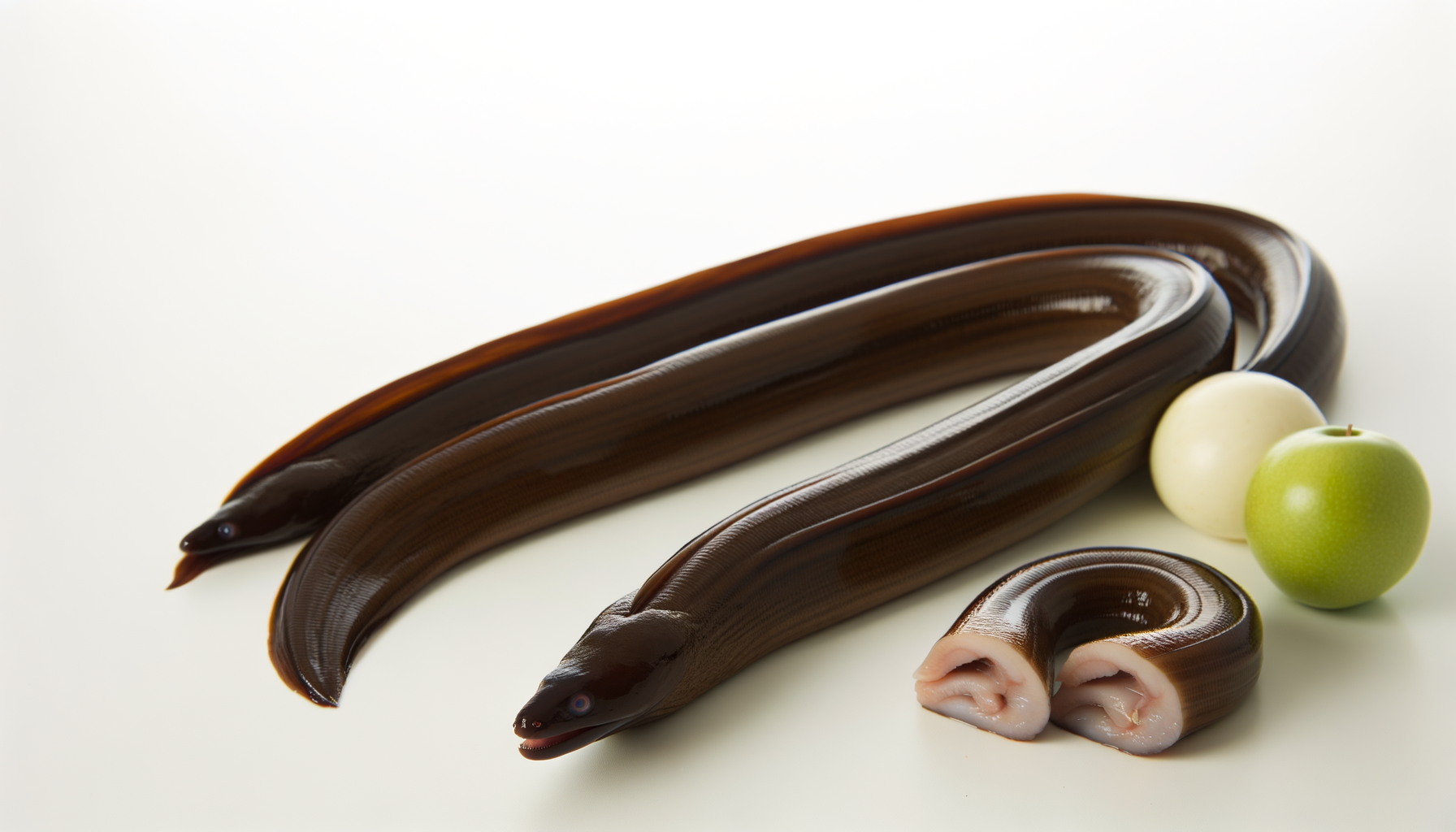
Eel
Anguilla
Sensory Profile
Tastes
Basic flavor profiles
Aromas
Scent characteristics
Stimuli
Sensory sensations
Textures
Physical properties
About Eel
Eel, particularly from the Anguillidae family, boasts a rich, unctuous flavor with a delicate sweetness and a subtle brininess. Its texture is smooth and buttery, making it a luxurious addition to various dishes. The meat is firm yet tender, with a slight oiliness that enhances its mouthfeel. Eel is a versatile ingredient in many cuisines, most notably in Japanese, European, and American cooking. In Japan, it is often grilled (unagi) and served over rice, while in Europe, it can be found smoked or prepared in traditional dishes like eel pie. Eel is also popular in sushi and sashimi, where its unique flavor can shine. Additionally, it can be braised, roasted, or used in soups and stews, complementing a variety of flavors from sweet to savory. Eel has a wide distribution, with species like the European eel (Anguilla anguilla) and the American eel (Anguilla rostrata) found in freshwater and coastal waters across Europe and North America. These eels are known for their migratory life cycle, spawning in the Sargasso Sea before traveling to rivers and lakes to mature. Eels are characterized by their elongated bodies and smooth, slimy skin, which can vary in color from dark brown to greenish hues. They are often recognized for their
Associated health effects(16)
- Blood Pressure Support
- Micronutrient Support
- Heavy Metal Exposure
- Antioxidant
- Allergic Reactions
- Blood Sugar Support
- Digestive Irritation
- Mood Enhancement
- Skin Health
- Interaction with Medications
- Bone Health
- Cholesterol Management
- Protein Content
- Heart Health
- Anti-inflammatory
- Cognitive Support
Nutrition per 100 g(4)
- Energy: 215 kcal
- Protein: 25 g
- Fat: 15 g
- Fiber: 0 g