
Enoki Sensory Map
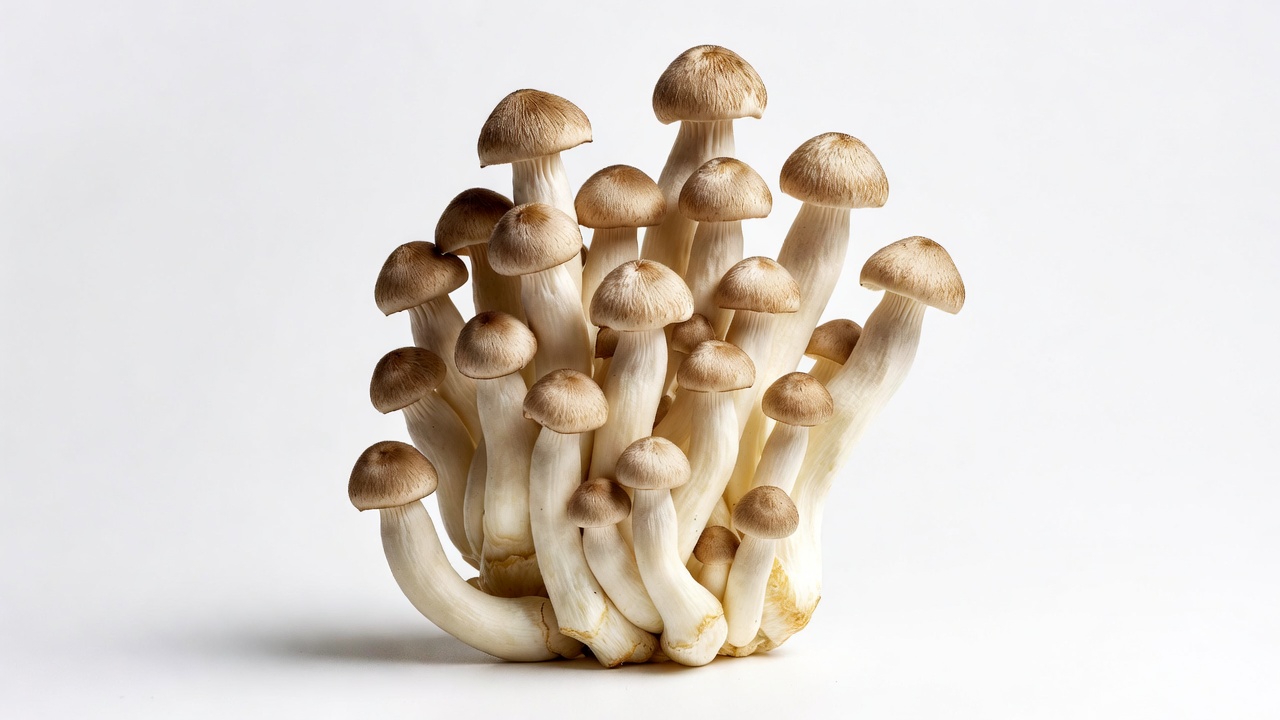
Enoki
Flammulina velutipes
Sensory Profile
Tastes
Basic flavor profiles
Aromas
Scent characteristics
Stimuli
Sensory sensations
Textures
Physical properties
About Enoki
Enoki (Flammulina velutipes), a member of the Physalacriaceae family, presents a delicate sensory profile characterized by its subtly sweet, nutty flavor and a crisp, crunchy texture. The aroma is fresh and slightly fruity, reminiscent of a crisp autumn day, which enhances its appeal in various culinary applications. Enoki mushrooms are a staple in East Asian cuisines, particularly in Japanese dishes such as sukiyaki and miso soup, where their slender, elongated shape and delicate texture provide a pleasing contrast to richer ingredients. In sukiyaki, the enoki’s ability to absorb the umami-rich broth while maintaining its structural integrity allows for a harmonious balance of flavors, while in miso soup, their lightness complements the heartiness of the miso paste without overwhelming the dish. Originating from temperate regions of East Asia, enoki mushrooms have been cultivated for centuries, with traditional production methods involving the use of sawdust and controlled environments to promote their unique growth patterns. The mushrooms thrive in cooler temperatures, which contributes to their distinctive long stems and small caps. What sets enoki apart is not only its aesthetic appeal but also its unique chemical composition; they are rich in polysaccharides, which can enhance the umami flavor profile of dishes and provide health benefits. Additionally, enoki mushrooms exhibit a remarkable ability to retain moisture, making them an excellent ingredient for both soups and stir-fries, where they can enhance the overall mouthfeel and flavor complexity of the dish.
Associated health effects(70)
- Safety and Toxicity
- Blood Pressure Support
- Beta-Glucan Cholesterol Reduction
- Diet Quality Improvement
- Micronutrient Density
- Apoptosis Induction
- Antithrombotic Activity
- Mushroom Polysaccharide Immune Modulation
- Ergothioneine Support
- Antioxidant
- Allergic Reactions
- Cardiovascular Health
- Allergy Risk
- Ribosome-Inactivating Protein Activity
- B Vitamin Enrichment
- Low Sodium Content
- Blood Pressure Reduction
- Ergosterol Cardiovascular Support
- Lovastatin-Like Cholesterol Regulation
- Lysine Provision
- Digestive Bulk Support
- Cancer Cell Inhibition via Polyphenols
- Lipid Profile Improvement
- Lectin-Induced Gastrointestinal Toxicity
- Liver Support
- Blood Cholesterol Reduction
- Enoki Polysaccharide Anti-tumor Activity
- Low Fat Content
- Blood Sugar Support
- Heavy Metal Contamination Risk
- Low Caloric Density
- Bacterial Contamination Risk
- Antidiabetic Activity
- Blood Sugar Regulation
- Pantothenic Acid
- Immune Modulation
- Prebiotic Polysaccharide Support
- Atherosclerosis Prevention
- Polysaccharide Anti-fatigue Activity
- Amino Acid Support
- Foodborne Illness Risk
- Polysaccharide Immune Modulation
- Dietary Fiber
- FVE Protein Immune Modulation
- Allergic Reaction Risk
- Cholesterol Absorption Inhibition
- Blood Lipid Profile Improvement
- Cholesterol Management
- Brain Health
- Protein Content
- Niacin
- GABA Production Support
- Ergothioneine Antioxidant Activity
- Weight Management
- B Vitamin Nervous System Support
- Anti-aging Activity
- DNA Damage Reduction
- LDL Cholesterol Reduction
- Mushroom Polysaccharide Gut Prebiotic Support
- Beta-Glucan Prebiotic Support
- Antibacterial
- B-Complex Vitamin Provision
- Immune Function
- Digestive Prebiotic Support
- Antiviral
- Lipid Metabolism Support
- Mushroom Misidentification Toxicity
- Digestive Health
- Anticancer Potential
- Anti-inflammatory
Nutrition per 100 g(4)
- Energy: 37 kcal
- Protein: 2.7 g
- Fat: 0.3 g
- Fiber: 2.7 g