
Epsom Salt Sensory Map
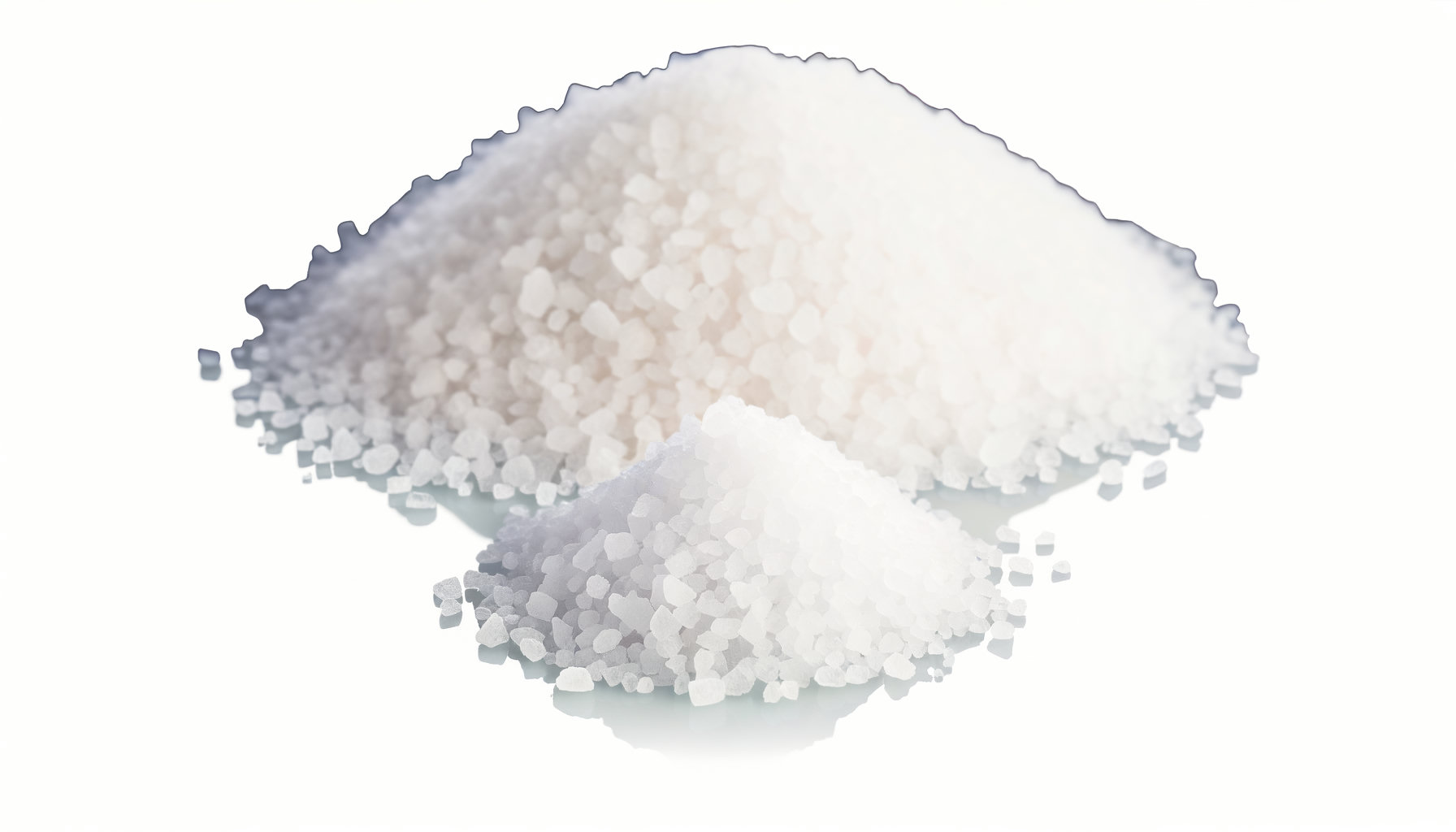
Epsom Salt
Sal epsom
Sensory Profile
Tastes
Basic flavor profiles
Aromas
Scent characteristics
Stimuli
Sensory sensations
Textures
Physical properties
About Epsom Salt
Epsom Salt (Sal epsom) is a naturally occurring mineral compound primarily composed of magnesium sulfate, characterized by its crystalline, slightly bitter flavor profile and a distinctively mineral aroma reminiscent of damp earth and fresh spring water. While not traditionally used in culinary applications, its unique properties have found niche uses in dishes like pickled vegetables, where it enhances crunchiness by drawing out moisture and firming the texture, and in certain traditional Japanese preparations such as shiozuke (salt-pickled vegetables), where it contributes to the fermentation process by providing essential minerals that promote beneficial bacterial growth. Originating from the mineral springs in Epsom, England, this salt has historical significance in various cultures, particularly in European and Asian cuisines, where it has been utilized not only for its culinary properties but also for its therapeutic benefits. The traditional production of Epsom salt involves evaporating mineral-rich spring water, a process that yields its distinctive crystalline structure and ensures the retention of magnesium, which is vital for various biochemical reactions in the body and enhances the flavor profile of dishes. What sets Epsom salt apart is its high magnesium content, which plays a crucial role in enzymatic reactions, making it an effective flavor enhancer in certain contexts. Unlike common table salt, Epsom salt does not contain sodium, allowing chefs to explore unique flavor dimensions without the salinity that can overwhelm delicate dishes. Its ability to act as a firming agent in pickling and its role in promoting fermentation make it a valuable ingredient for culinary professionals seeking to elevate their dishes with nuanced textures and flavors.
Associated health effects(20)
- Digestive Motility Enhancement
- Constipation Relief
- Magnesium Sulfate Overdose Toxicity
- Drug Interactions
- Dose-Dependent Effects
- Sleep Quality Enhancement
- Renal Toxicity
- Magnesium Sulfate Gastrointestinal Distress
- At-Risk Populations
- Electrolyte Balance Support
- Dehydration
- Bone Health
- Digestive Distress
- Osmotic Laxative Activity
- Muscle Cramp Relief
- Hypokalemia Risk
- Laxative Activity
- Muscle Function Support
- Gastrointestinal Distress
- Magnesium
Nutrition per 100 g(4)
- Energy: 0 kcal
- Protein: 0 g
- Fat: 0 g
- Fiber: 0 g