
European Bay Leaf Sensory Map
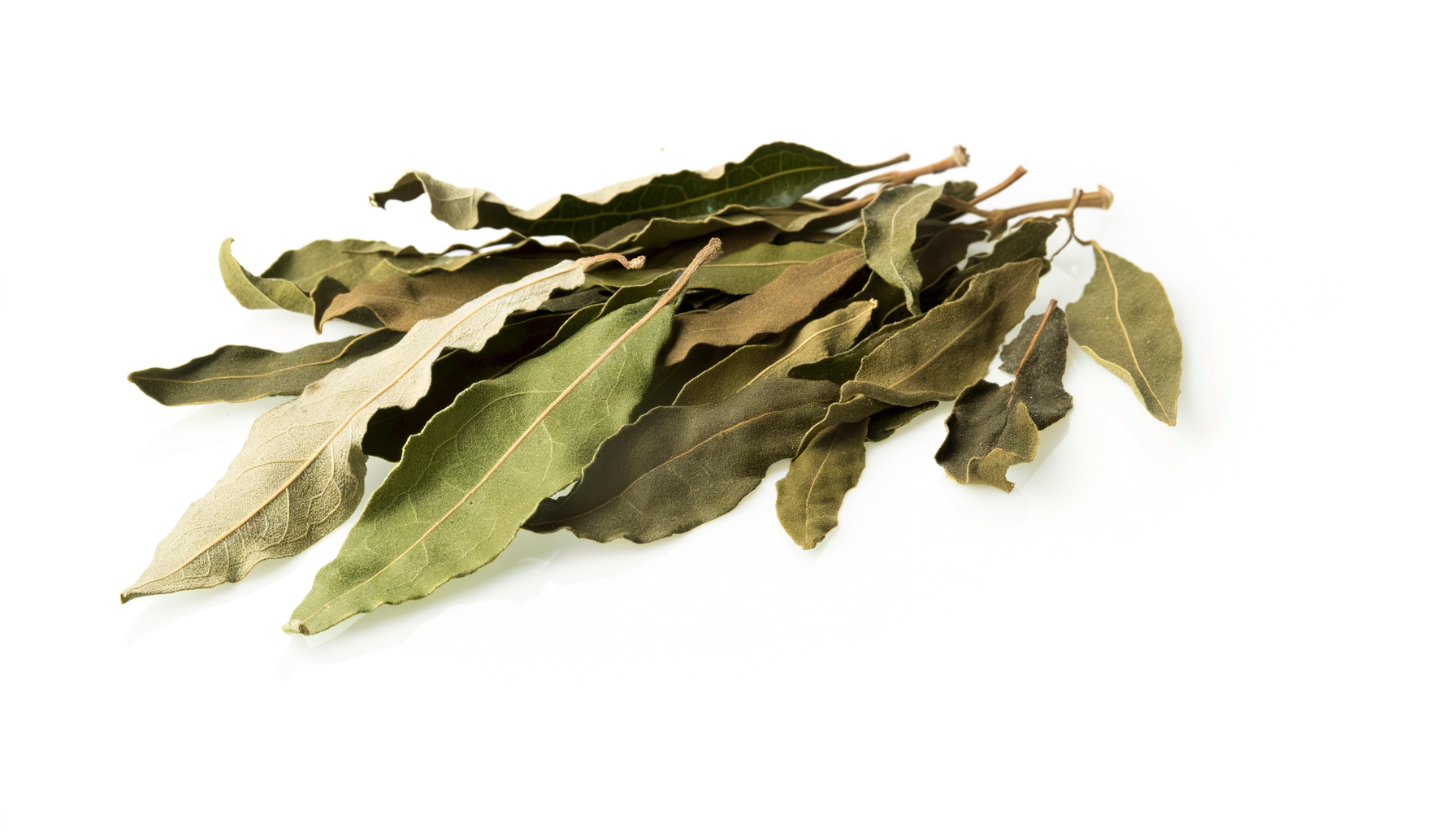
European Bay Leaf
Laurus nobilis
Sensory Profile
Tastes
Basic flavor profiles
Aromas
Scent characteristics
Stimuli
Sensory sensations
Textures
Physical properties
About European Bay Leaf
European bay leaves also known as Laurel leaves offer a subtle yet complex flavor, characterized by a slightly floral and herbal aroma with hints of pine and a mild bitterness. When dried, their flavor intensifies, imparting a warm, earthy essence that enhances the depth of various dishes. Primarily used in Mediterranean cuisine, laurel leaves are a staple in soups, stews, and braises, where they are typically added whole and removed before serving. They are also integral to marinades, pickling brines, and sauces, providing a fragrant backdrop to meats, fish, and vegetables. In addition, laurel leaves can be used to infuse oils and vinegars, enhancing their flavor profiles. Laurus nobilis is native to the Mediterranean region, particularly in areas such as southern Europe and parts of Asia. Historically, it was revered by ancient Greeks and Romans, symbolizing victory and honor, often used to crown victors in athletic competitions. Laurel leaves are dark green, glossy, and oval-shaped, with a tough texture that makes them suitable for long cooking times. They are typically sold dried, as fresh leaves can be difficult to find outside their native regions. The leaves should be used sparingly, as their potent flavor can easily overpower a dish. Their aromatic qualities not only enhance culinary creations but also contribute to their use in traditional herbal medicine
Associated health effects(108)
- Safety and Toxicity
- Digestive Motility Enhancement
- Anxiety Relief
- Blood Pressure Support
- Blood Sugar Control
- Micronutrient Support
- Diet Quality Improvement
- Urease Inhibition
- Camphor-Induced Neurotoxicity
- Expectorant
- Appetite Stimulant
- Vitamin C Content Support
- Essential Oil-Mediated Antimicrobial Activity
- Drug Interactions
- Dose-Dependent Sedative Activity
- Hormone Regulation
- Sedative and Calming Effects
- Vitamin A/Carotenoid Source
- Calcium Content Support
- Vitamin A Content Support
- Antioxidant
- Allergic Reactions
- Dose-Dependent Effects
- B Vitamin Enrichment
- Sleep Quality Enhancement
- Analgesic Activity
- Blood Pressure Reduction
- Vitamin Content Support
- Folate Source
- General nutrient support
- Nutritional Advantages
- Wound Healing
- Antifungal
- Lipid Profile Improvement
- Blood Cholesterol Reduction
- Bitter Receptor-Mediated Digestive Stimulation
- Blood Sugar Support
- Decongestant
- Vitamin A Support
- Respiratory Relief via Linalool Aroma
- Free Radical Scavenger
- Antidiabetic Activity
- Blood Sugar Regulation
- Digestive Spasm Relief
- Digestive Secretory Stimulation
- Limited Micronutrient Density
- Immune Booster
- Immune Modulation
- Colonic Microbiota Modulation
- Hypoglycemia Risk
- Digestive Irritation
- Flavor and Culinary Use
- Iron Content Support
- Mineral Content
- Essential Oil-Induced Gastrointestinal Irritation
- Dietary Fiber
- Skin Health
- Eugenol-Mediated Analgesic Activity
- Interaction with Medications
- Allergic Reaction Risk
- Vitamin A Precursors
- Mild side effects
- Bone Health
- Nutritional Content Support
- Blood Lipid Profile Improvement
- Cholesterol Management
- Digestive Relief via Carminative Action
- Stress Relief
- Flavor Enhancement-Mediated Dietary Compliance Support
- Estragole and Methyleugenol Toxicity
- Antidiarrheal Activity
- Aroma-Mediated Relaxation
- Dental Caries Risk Reduction
- Gastroprotection
- Weight Management
- Vitamin and Mineral Support
- Vitamin B6 Nervous System Support
- Antibacterial
- Potassium
- Emmenagogue Activity
- Fiber Content
- Essential Oil Oral Toxicity
- Culinary Properties
- Immune Function
- Leaf-Induced Mechanical Injury
- Digestive Prebiotic Support
- Gastrointestinal Distress
- Contact Dermatitis
- Eugenol-Mediated Anti-inflammatory Activity
- Antiviral
- Hypoglycemia
- Magnesium
- Choking and Foreign Body Obstruction Risk
- Digestive Support
- Food Palatability Enhancement
- Digestive Aid
- Vitamin A Source
- Short-Chain Fatty Acid Production Enhancement
- Cholesterol Improvement
- Culinary Essential Oil Antimicrobial Activity
- Respiratory Support
- Gastrointestinal Irritation
- Anticancer Potential
- Anti-inflammatory
- Carminative
- Blood Glucose Regulation
- Gastrointestinal Smooth Muscle Relaxation
- Cognitive Support
Nutrition per 100 g(4)
- Energy: 335 kcal
- Protein: 7 g
- Fat: 1.2 g
- Fiber: 26 g