
European Oregano Sensory Map
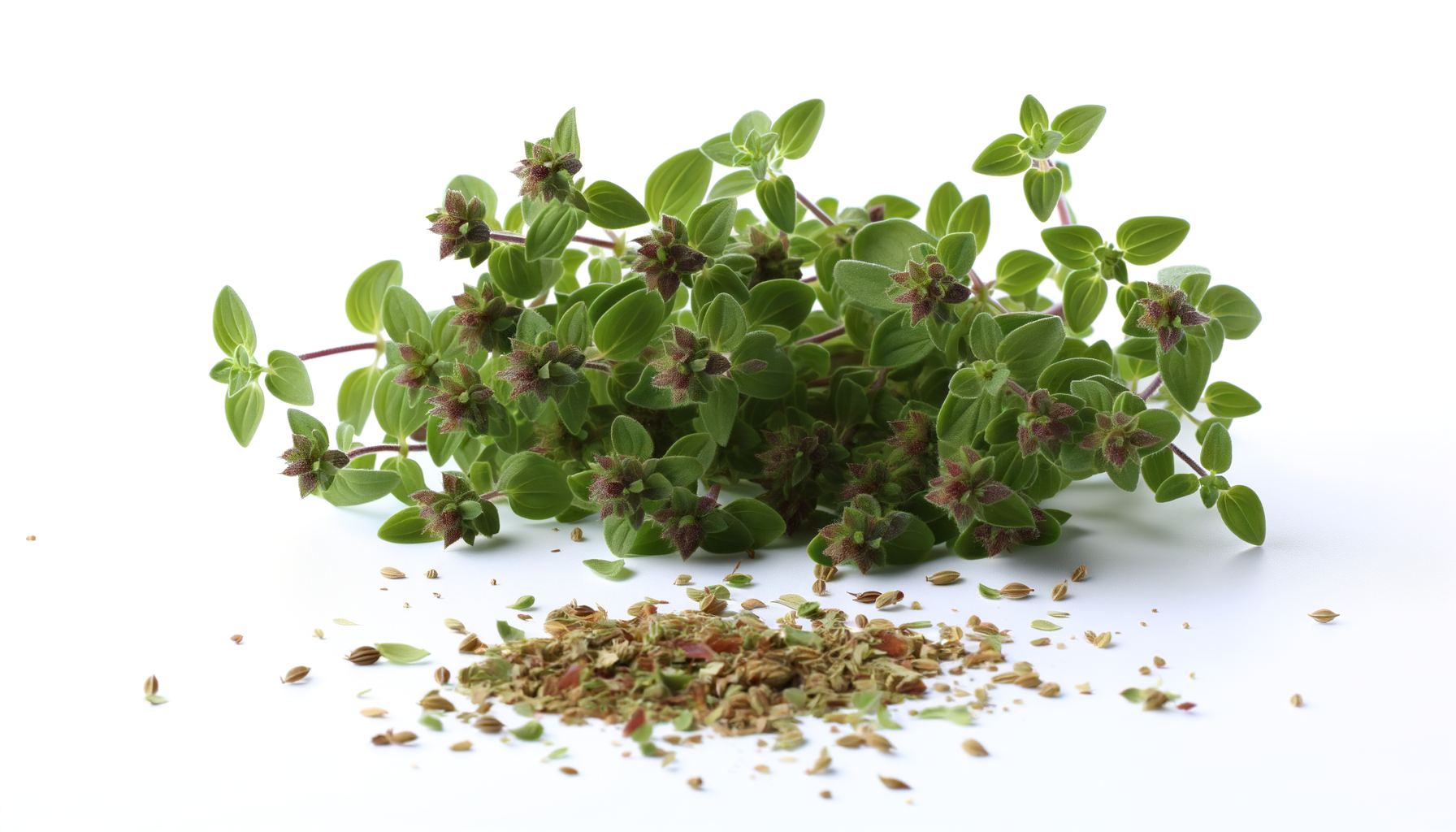
European Oregano
Origanum vulgare
Sensory Profile
Tastes
Basic flavor profiles
Aromas
Scent characteristics
Stimuli
Sensory sensations
Textures
Physical properties
About European Oregano
Oregano boasts a robust, earthy flavor with a warm, slightly bitter undertone. Its aromatic qualities are enhanced by hints of mint and a subtle pepperiness, making it a versatile herb that can elevate both simple and complex dishes. Oregano is a staple in Mediterranean cuisine, particularly in Italian, Greek, and Spanish dishes. It is commonly used in tomato-based sauces, pizza, and pasta dishes, as well as in marinades, grilled meats, and vegetable preparations. Fresh oregano is often preferred for salads and garnishes, while dried oregano is favored for its concentrated flavor in cooked dishes. Native to Europe, particularly the Mediterranean region, oregano has been cultivated since ancient times. It was revered by the Greeks and Romans for both its culinary and medicinal properties. Today, it is widely grown in various parts of the world, including North America and Mexico, where it has adapted to local climates. Oregano is characterized by its small, oval leaves that are green to grayish-green in color. The plant can grow up to 2 feet tall and produces small, white to pink flowers. The essential oils in oregano, particularly carvacrol and thymol, contribute to its distinctive flavor and aroma, as well as its potential health benefits, including antimicrobial properties. Dried oregano retains much of its flavor, making it a popular choice for long
Associated health effects(39)
- Drug Interactions
- Oral Plaque and Gingivitis Reduction
- Antioxidant
- Allergic Reactions
- Dose-Dependent Effects
- Allergy Risk
- Analgesic Activity
- IBS Symptom Relief
- Nutritional Advantages
- Wound Healing
- Pain Relief
- Respiratory Infection Symptom Relief
- Blood Sugar Support
- Giardicidal Activity
- Free Radical Scavenger
- Blood Sugar Regulation
- Digestive Spasm Relief
- Immune Booster
- Immune Modulation
- Digestive Irritation
- Flavor and Culinary Use
- At-Risk Populations
- Essential Oil-Induced Gastrointestinal Irritation
- Interaction with Medications
- Cholesterol Management
- Digestive Relief via Carminative Action
- Stress Relief
- LDL Cholesterol Reduction
- Antibacterial
- Emmenagogue Activity
- Antiviral
- Digestive Support
- Digestive Aid
- Cholesterol Improvement
- Respiratory Support
- Gastrointestinal Irritation
- Anticancer Potential
- Anti-inflammatory
- Carminative
Nutrition per 100 g(4)
- Energy: 265 kcal
- Protein: 9 g
- Fat: 4.35 g
- Fiber: 42.5 g