
Farro Sensory Map
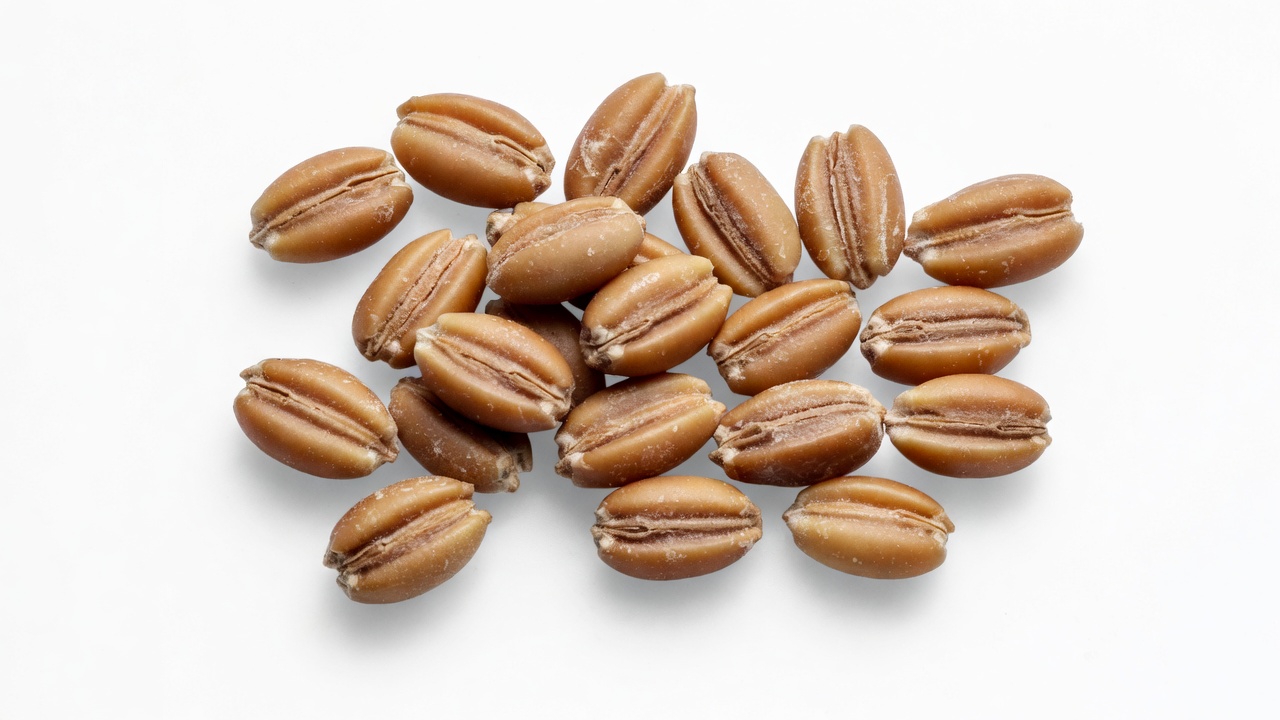
Farro
Triticum spelta
Sensory Profile
Tastes
Basic flavor profiles
Aromas
Scent characteristics
Stimuli
Sensory sensations
Textures
Physical properties
About Farro
Farro (Triticum spelta, also known as Spelt or Dinkel) is an ancient grain renowned for its nutty flavor profile, which features subtle notes of toasted hazelnuts and a hint of earthiness, complemented by a pleasantly chewy texture that retains a satisfying bite even after cooking. The aroma of farro is reminiscent of freshly baked bread, with a warm, grainy scent that evokes rustic kitchens and wholesome meals. This unique grain shines in iconic dishes such as Italian farro salad, where it absorbs vibrant flavors from fresh herbs and vegetables, and in Tuscan soups like "Zuppa di Farro," where its hearty texture enhances the dish's rustic charm while providing a substantial base that holds up against rich broths. Originating from the Fertile Crescent and traditionally cultivated in Italy, farro has deep cultural significance, often featured in Mediterranean diets and celebrated for its nutritional benefits, including high fiber and protein content. The traditional production methods involve careful harvesting and milling, which preserve the grain's nutrient density and robust flavor, distinguishing it from more refined grains. What sets farro apart is its unique composition of gluten proteins, which contribute to its chewy texture and ability to absorb flavors without becoming mushy, making it an exceptional choice for both warm and cold dishes. Additionally, farro's aging process can enhance its flavor complexity, as the grain develops deeper, more nuanced notes over time, thus enriching culinary applications across various cuisines.
Associated health effects(78)
- Digestive Motility Enhancement
- Blood Pressure Support
- Zinc
- Blood Sugar Control
- Micronutrient Support
- Diet Quality Improvement
- Satiety Enhancement
- Insulin Sensitivity Enhancement
- Micronutrient Density
- Selenium Status Improvement
- Colonic Transit Enhancement
- Constipation Relief
- Dietary Prebiotic Support
- Flatulence and Bloating
- Phytate Mineral Bioavailability Reduction
- Cardiovascular Protection
- Weight Maintenance/Obesity Prevention
- Antioxidant
- Allergic Reactions
- Cardiovascular Health
- Stroke Prevention
- B Vitamin Enrichment
- Colon Cancer Risk Reduction
- Blood Pressure Reduction
- Cardiovascular Disease Risk Reduction
- Colon/Gut Health Promotion
- Type 2 Diabetes Prevention
- IBS Symptom Relief
- Metabolic Syndrome Protection
- Digestive Bulk Support
- Lipid Profile Improvement
- Blood Cholesterol Reduction
- HDL Cholesterol Elevation
- Type 2 Diabetes Risk Reduction
- Blood Sugar Support
- Appetite Reduction via Fiber-Induced Satiety
- Amylose-Mediated Glycemic Index Reduction
- Amylose-Mediated Blood Sugar Modulation
- Weight Management/Satiety
- Blood Sugar Regulation
- Chronic Disease Prevention
- Immune Modulation
- Atherosclerosis Prevention
- Iron Content Support
- No Evidence of Toxicity, Heavy Metals, or Contaminants
- Mineral Content
- Dietary Fiber
- Allergic Reaction Risk
- Bone Health
- Gastrointestinal Discomfort
- Blood Lipid Profile Improvement
- Cholesterol Management
- Anemia Prevention
- Digestive Relief via Carminative Action
- Magnesium Content Support
- Protein Content
- Niacin
- Weight Management
- B Vitamin Nervous System Support
- LDL Cholesterol Reduction
- Complex Carbohydrate Content
- Blood Sugar Regulation via Intact Grain Structure
- Fiber Content
- B-Complex Vitamin Provision
- Immune Function
- Low Glycemic Impact
- Zinc Content Support
- Muscle Function Support
- Digestive Prebiotic Support
- Gluten Content
- Heart Health
- Colorectal Cancer Risk Reduction
- Magnesium
- Digestive Aid
- Weight Management and Obesity Prevention
- Digestive Health
- Anti-inflammatory
- Resistant Starch Prebiotic Support
Nutrition per 100 g(4)
- Energy: 338 kcal
- Protein: 14 g
- Fat: 2.2 g
- Fiber: 7 g