
Fennel Sensory Map
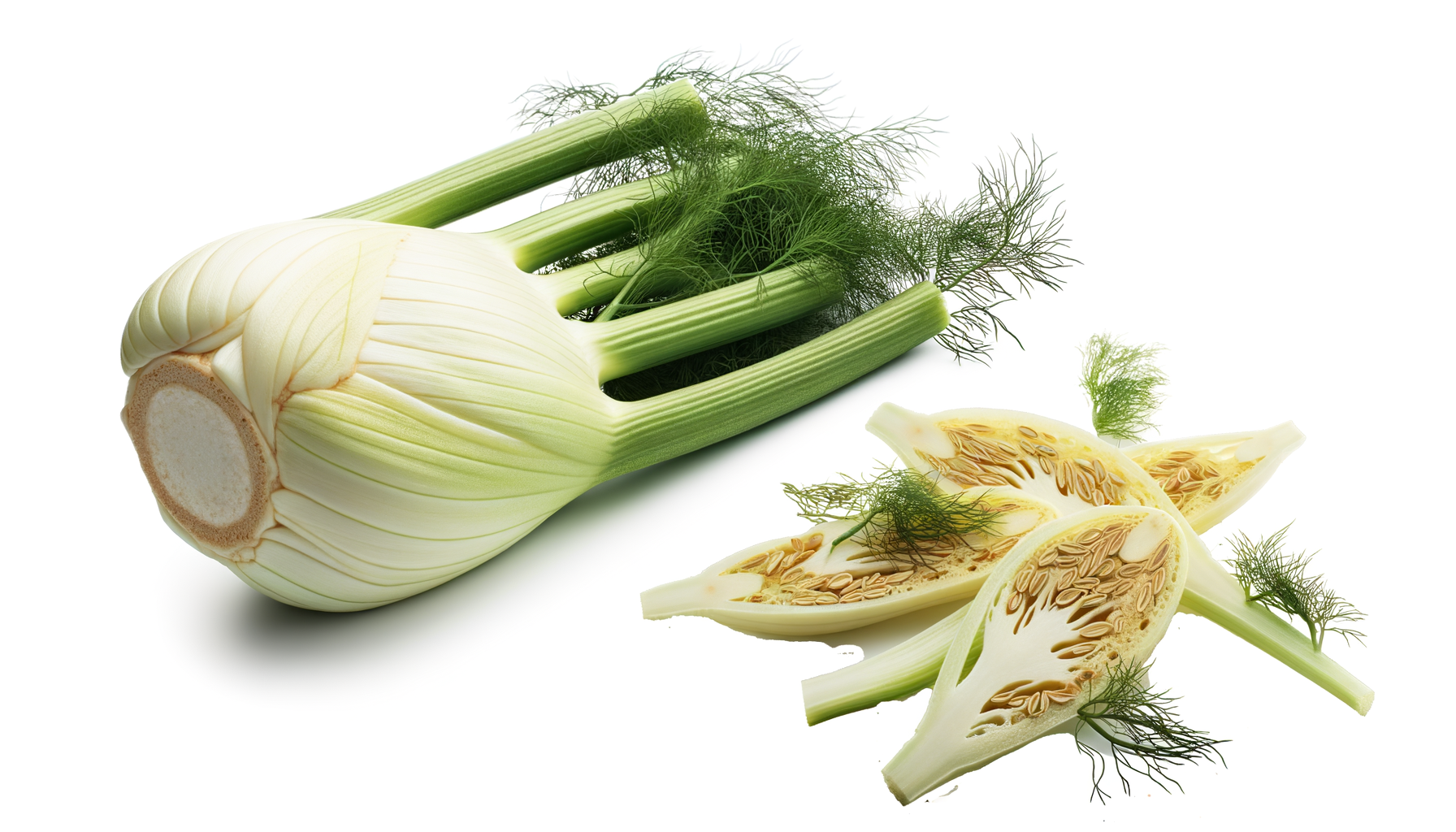
Fennel
Foeniculum vulgare
Sensory Profile
Tastes
Basic flavor profiles
Aromas
Scent characteristics
Stimuli
Sensory sensations
Textures
Physical properties
About Fennel
Fennel boasts a unique flavor that is often described as sweet and anise-like, with a subtle hint of licorice. Its aromatic quality is both fresh and slightly earthy, making it a versatile spice that can enhance both sweet and savory dishes. Fennel seeds are commonly used in Mediterranean, Indian, and Middle Eastern cuisines. They can be toasted to intensify their flavor and are often incorporated into spice blends, such as Italian sausage and Indian masalas. Fennel can also be used whole in pickling, or ground into a powder for seasoning meats, vegetables, and baked goods. The bulb, fronds, and stalks of the fennel plant are edible and can be used in salads, soups, and as a garnish, adding a refreshing crunch and aromatic quality. Native to the Mediterranean region, fennel has been cultivated since ancient times. It was used by the Romans for its culinary and medicinal properties and has spread globally, becoming a staple in various cuisines. Fennel is easily recognizable by its feathery fronds and bulbous base. The seeds are small, oval, and greenish-brown, with a glossy sheen. Fennel is not only valued for its flavor but also for its digestive properties, often used as a natural remedy for bloating and indigestion. Its versatility and distinctive taste make
Associated health effects(27)
- Menstrual Support
- Blood Pressure Support
- Lactation Support
- Micronutrient Support
- Hormone Regulation
- Cardiovascular Protection
- Antioxidant
- Allergic Reactions
- Photosensitivity
- Photosensitivity Risk
- Estrogenic Activity
- IBS Symptom Relief
- Antifungal
- Pain Relief
- Immune Booster
- Menopausal Symptom Relief
- Memory Enhancement
- Hepatoprotection
- Interaction with Medications
- Bone Health
- Stress Relief
- LDL Cholesterol Reduction
- Antibacterial
- Digestive Aid
- Gastrointestinal Barrier Support
- Anti-inflammatory
- Carminative
Nutrition per 100 g(4)
- Energy: 31 kcal
- Protein: 1.2 g
- Fat: 0.2 g
- Fiber: 3.1 g