
Fenugreek Sensory Map
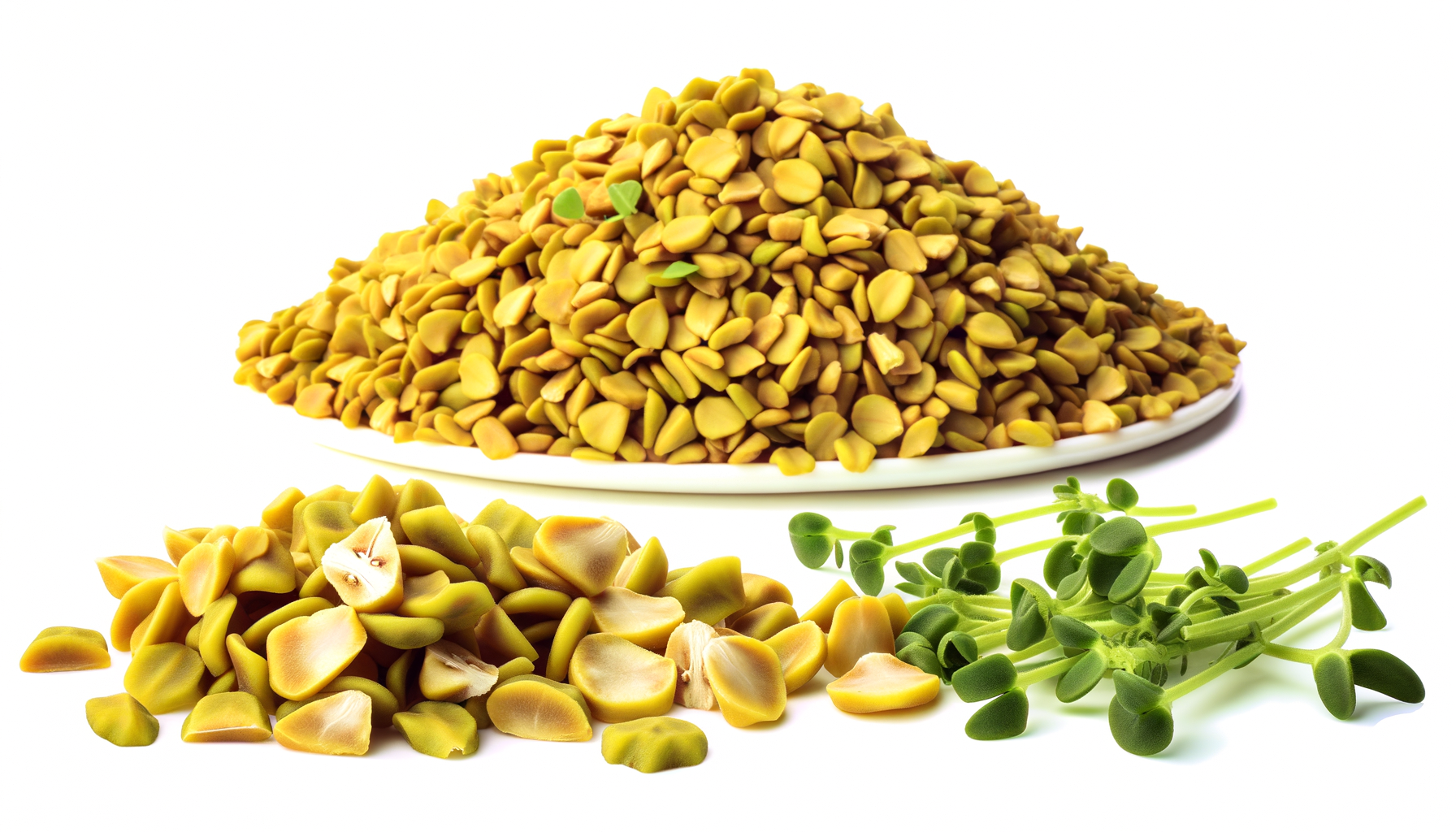
Fenugreek
Trigonella foenum-graecum
Sensory Profile
Tastes
Basic flavor profiles
Aromas
Scent characteristics
Stimuli
Sensory sensations
Textures
Physical properties
About Fenugreek
Fenugreek seeds possess a unique flavor that is both slightly bitter and sweet, with a nutty aroma reminiscent of maple syrup. The leaves, known as methi, have a more pronounced bitterness and a grassy, earthy undertone. Fenugreek is a versatile spice widely used in Indian, Middle Eastern, and North African cuisines. The seeds are often toasted to enhance their flavor and are a key ingredient in curry powders, spice blends like panch phoron, and pickles. Fresh fenugreek leaves are used in dishes such as aloo methi (potatoes with fenugreek) and are often added to dals and flatbreads. Fenugreek is also utilized in the production of certain sauces and as a flavoring agent in various dishes. Fenugreek is believed to have originated in the Mediterranean region and Western Asia. It has been cultivated for thousands of years, with historical references dating back to ancient Egypt and Greece. Today, it is grown in many countries, including India, where it is a staple in regional cooking. Fenugreek seeds are small, yellow-brown, and have a hard exterior. They contain a significant amount of protein, fiber, and essential vitamins and minerals, making them a nutritious addition to meals. The leaves can be used fresh or dried, with the dried form offering a
Associated health effects(57)
- Body Composition and Metabolic Effects
- Menstrual Pain Relief
- Menstrual Support
- Lactation Support
- Satiety Enhancement
- Male Fertility Boost
- Appetite Stimulant
- Menopausal Symptom Modulation
- Drug Interactions
- Potential Additive Hypoglycemia
- Cardiovascular Protection
- Antioxidant
- Diabetes Management
- Allergic Reactions
- Blood Pressure Reduction
- Nutritional Advantages
- Muscle Strength Enhancement
- Alpha-amylase Inhibition
- Lipid Profile Improvement
- Menstrual Cramp Relief
- Aphrodisiac
- Blood Sugar Support
- Appetite Reduction via Fiber-Induced Satiety
- Galactagogue Activity
- Antidiabetic Activity
- Blood Sugar Regulation
- Male Sexual Function Enhancement
- Testosterone Support
- Hypoglycemia Risk
- Digestive Irritation
- Menopausal Hot Flash Reduction
- Digestive Discomfort
- Hepatoprotection
- Muscle Endurance Enhancement
- Interaction with Medications
- Allergic Reaction Risk
- Cholesterol Absorption Inhibition
- Prebiotic Fiber-Mediated Gut Microbiota Improvement
- Gastrointestinal Discomfort
- Cholesterol Management
- Acid Neutralization
- Testosterone Level Enhancement
- Gastroprotection
- Hypolipidemic Activity
- Alpha-glucosidase Inhibition
- Weight Management
- LDL Cholesterol Reduction
- Testosterone Elevation
- Triglyceride Reduction
- Muscle Performance Enhancement
- Hypoglycemia
- Lipid Metabolism Support
- Digestive Aid
- Maple Syrup Odor Development
- Hormonal Reproductive Caution
- Anti-inflammatory
- Carminative
Nutrition per 100 g(4)
- Energy: 323 kcal
- Protein: 23 g
- Fat: 6.4 g
- Fiber: 24 g