
Feta Sensory Map
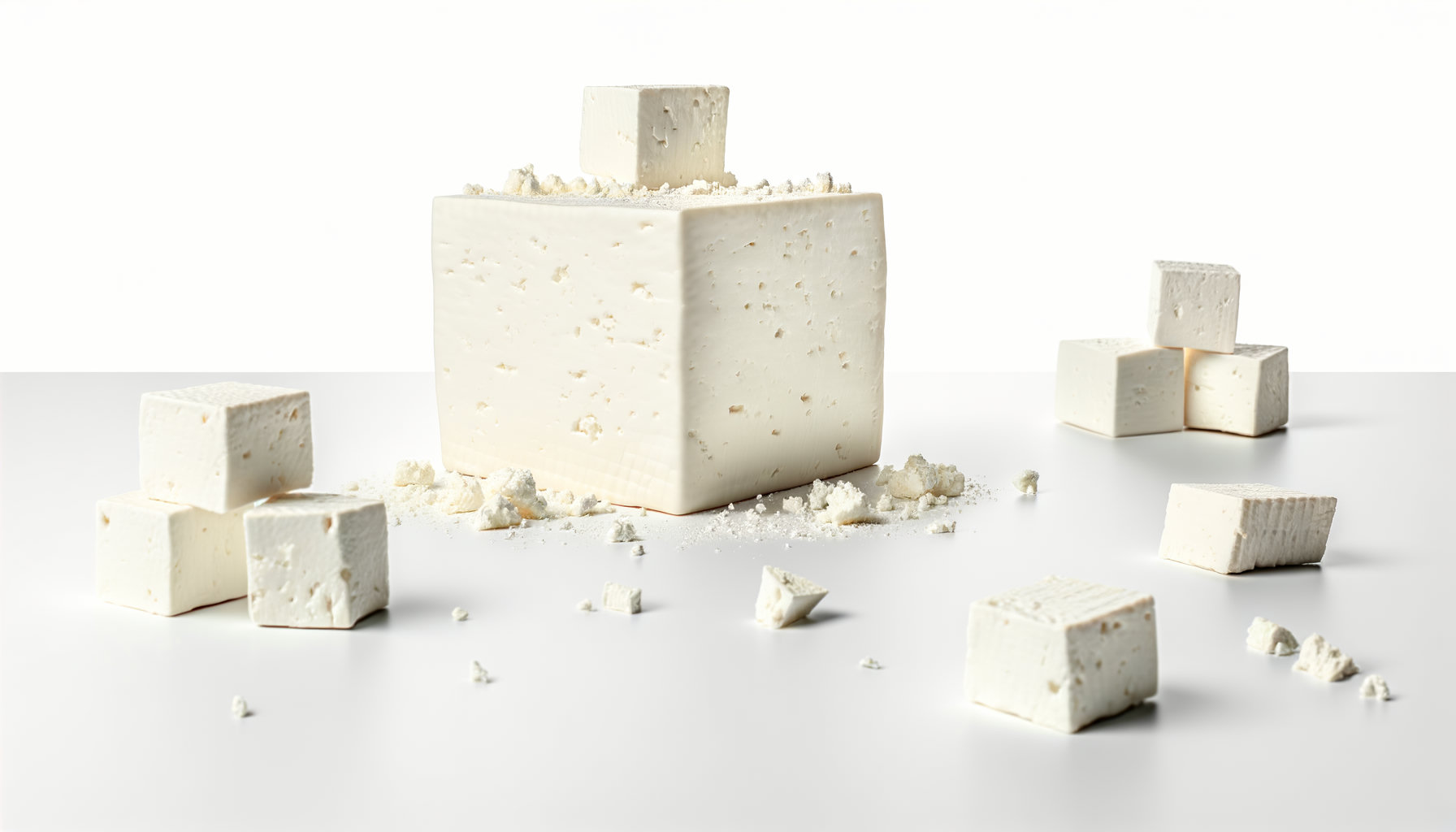
Feta
Caseus feta
Sensory Profile
Tastes
Basic flavor profiles
Aromas
Scent characteristics
Stimuli
Sensory sensations
Textures
Physical properties
About Feta
Feta (Caseus feta) is a brined cheese that hails primarily from Greece, celebrated for its crumbly texture and tangy, savory flavor profile. Its sensory characteristics are marked by a sharp, slightly salty taste with underlying notes of grass and herbs, often accompanied by a creamy mouthfeel that contrasts with its crumbly structure. The aroma is distinctly tangy, reminiscent of fresh dairy with hints of the Mediterranean landscape, evoking the scent of sun-dried herbs and wildflowers. Culinary applications for feta are numerous, but it shines particularly in iconic dishes such as Greek salad, where its crumbly texture provides a delightful contrast to the crispness of cucumbers and the juiciness of tomatoes, while its acidity balances the richness of olives and olive oil. In spanakopita, the cheese's ability to melt slightly while retaining its shape adds a creamy richness that enhances the flaky pastry and vibrant spinach filling. Additionally, feta's saltiness can enhance the flavors of roasted vegetables, making it a staple in Mediterranean cuisine. Originating from the regions of Thessaloniki and Epirus, feta is steeped in cultural significance, often associated with traditional Greek meals and festivities. The cheese is typically made from sheep's milk or a mixture of sheep and goat's milk, and its production involves a unique brining process that not only preserves the cheese but also contributes to its distinct flavor and texture. The aging process, which can last from a few months to over a year, allows for the development of its characteristic tanginess as lactic acid bacteria ferment the lactose, creating a complex flavor profile that deepens over time. What sets feta apart is its unique combination of acidity and saltiness, which not only enhances its flavor but also allows it to act as a natural preservative. The brining process creates a high-salt environment that inhibits the growth of undesirable bacteria while promoting the development of desirable flavors. This duality of preservation and flavor enhancement, along with its crumbly texture that can be easily crumbled or sliced, makes feta an indispensable ingredient in both traditional and contemporary culinary applications.
Associated health effects(75)
- Calcium Loss
- Body Composition and Metabolic Effects
- Vitamin B12 Content Support
- Calcium-Protein Bone Density Support
- Blood Sugar Control
- Ruminant CLA Intake
- Satiety Enhancement
- Butyric Acid Short-Chain Fatty Acid Provision
- Micronutrient Density
- Listeriosis Risk from Unpasteurized Varieties
- Bone Mineralization Support
- Dental Caries Reduction
- Milk Allergy
- Milk Protein Allergy Symptom Induction
- Calcium Content Support
- Allergic Reactions
- Vitamin B12 Nervous System Support
- Digestive Tolerance
- Saturated Fat and Cholesterol
- Cardiovascular Risk
- LDL and Total Cholesterol Elevation
- Lactose Intolerance
- IBS Symptom Relief
- Protein for Satiety and Muscle
- Sodium Content
- Riboflavin
- Blood Sugar Support
- B12 Deficiency Prevention
- Lactose Intolerance Symptom Induction
- Bacterial Contamination Risk
- Blood Sugar Regulation
- Probiotic Support
- Fatigue Reduction
- Brined Cheese-Linked Sodium Overload
- Gut Microbiota Modulation via Probiotics
- High Sodium Content
- Immune Modulation
- CLA-Mediated Blood Sugar Regulation
- Muscle Protein Support
- Foodborne Illness Risk
- Mineral Content
- CLA-Mediated Anti-cancer Potential
- High Saturated Fat Content
- Allergic Reaction Risk
- Vitamin B12 Source
- Lactose Reduction via Aging
- Obesity and Weight Gain
- Conjugated Linoleic Acid-Mediated Weight Regulation
- Bone Health
- CLA-Mediated Blood Lipid Regulation
- Blood Pressure Elevation
- Conjugated Linoleic Acid Support
- Protein Content
- B12 Content Support
- Weight Management
- B Vitamin Nervous System Support
- Salt Sensitivity
- Fermentation-Enhanced CLA Provision
- Iodine Provision
- Trace Mineral Content Support
- Lactic Fermentation-Mediated Gut Microbiota Modulation
- Low Lactose Content
- Lactic Fermentation-Derived Probiotic Support
- Probiotic Support (Fermented Cheese)
- Immune Function
- Muscle Function Support
- Complete Protein Support
- Sodium Overload
- Lipid Metabolism Support
- Fat-Soluble Vitamin Absorption Support
- Digestive Aid
- Anticancer Potential
- High-Quality Protein Provision
- Anti-inflammatory
- Complete Protein Profile
Nutrition per 100 g(4)
- Energy: 265 kcal
- Protein: 14 g
- Fat: 21 g
- Fiber: 0 g