
Fig Sensory Map
Fig
Ficus carica
Sensory Profile
Tastes
Basic flavor profiles
Aromas
Scent characteristics
Stimuli
Sensory sensations
Textures
Physical properties
About Fig
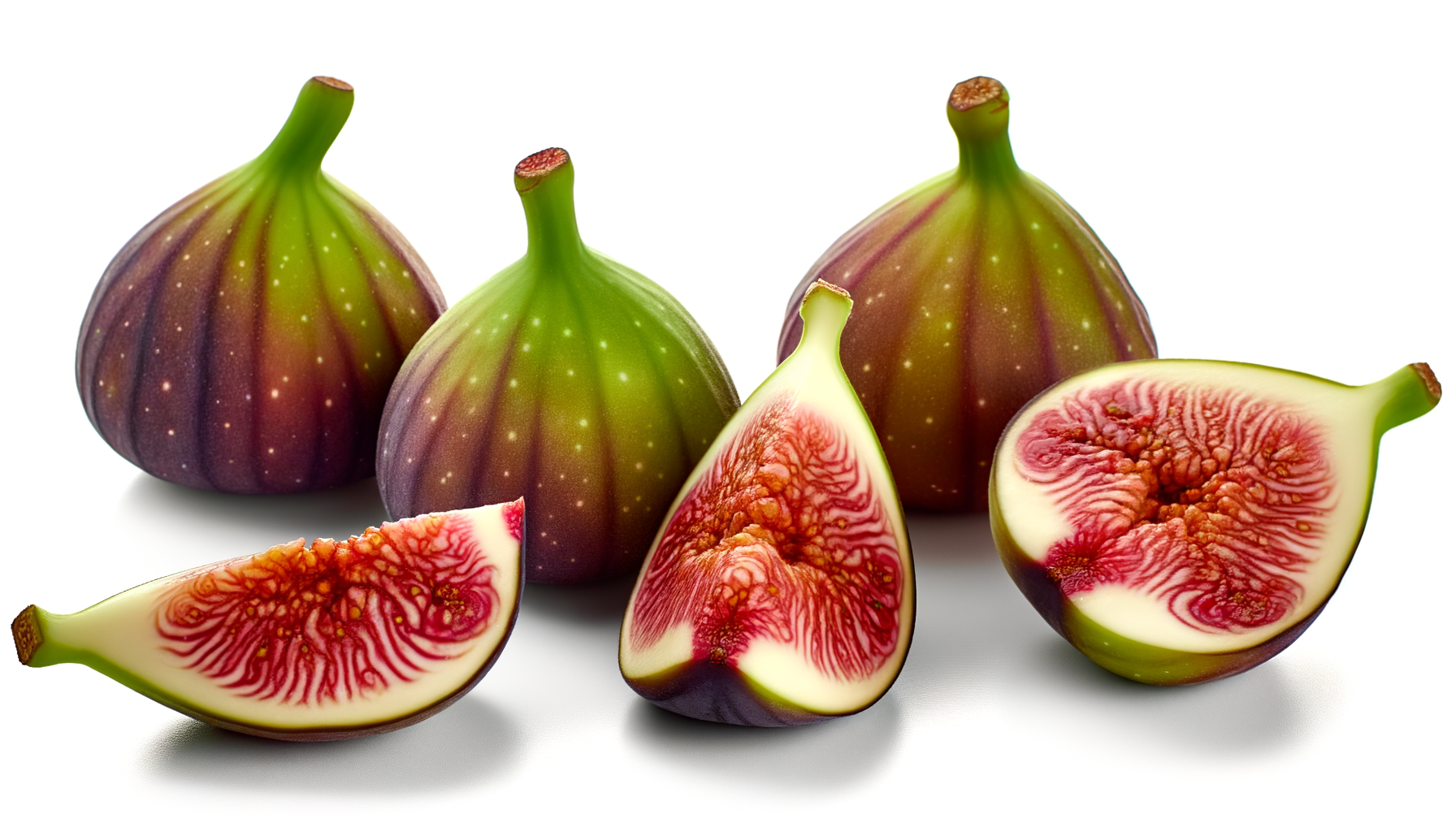
Figs possess a unique flavor that is both sweet and subtly earthy, with a hint of honey-like richness. The flesh is soft and juicy, while the seeds provide a delightful crunch, contributing to their complex texture. Dried figs intensify this sweetness, offering a concentrated, chewy experience that is often likened to caramel. Figs are versatile in the kitchen and can be used in both sweet and savory dishes. Fresh figs are delightful in salads, paired with cheese, or as a topping for desserts. They can also be roasted or grilled to enhance their natural sweetness. Dried figs are commonly used in baking, added to granola, or incorporated into savory dishes like tagines and stews. Their natural sweetness makes them an excellent complement to meats, particularly pork and poultry, and they are often used in jams and preserves. The common fig is native to the Mediterranean region and Western Asia, where it has been cultivated for thousands of years. It is one of the oldest cultivated fruits, with evidence of its domestication dating back to ancient civilizations. Today, figs are grown in temperate climates worldwide, with significant production in countries such as Turkey, Egypt, and the United States. Figs are characterized by their unique teardrop shape and smooth skin, which can vary in color from green to purple to black, depending on the variety.
Associated health effects(36)
- Blood Sugar Spikes
- Satiety Enhancement
- Micronutrient Density
- Constipation Relief
- Potential Additive Hypoglycemia
- Antioxidant
- Allergic Reactions
- Dose-Dependent Effects
- Sleep Quality Enhancement
- Blood Pressure Reduction
- IBS Symptom Relief
- Nutritional Advantages
- Blood Sugar Support
- Vitamin K Source
- Photosensitivity and Skin Irritation
- Blood Sugar Regulation
- Latex-Fruit Syndrome
- Iron Content Support
- Mineral Content
- Dietary Fiber
- Skin Health
- Vitamin K Content Support
- Bone Health
- Caloric Excess
- Cholesterol Management
- Anemia Prevention
- Hair Health
- Abscisic Acid-Mediated Glucose Regulation
- Tooth Decay
- Laxative Activity
- Heart Health
- Lipid Metabolism Support
- Digestive Aid
- Digestive Health
- Anti-inflammatory
- Cognitive Support
Nutrition per 100 g(4)
- Energy: 74 kcal
- Protein: 0.8 g
- Fat: 0.3 g
- Fiber: 2.9 g