
Fingerroot Sensory Map
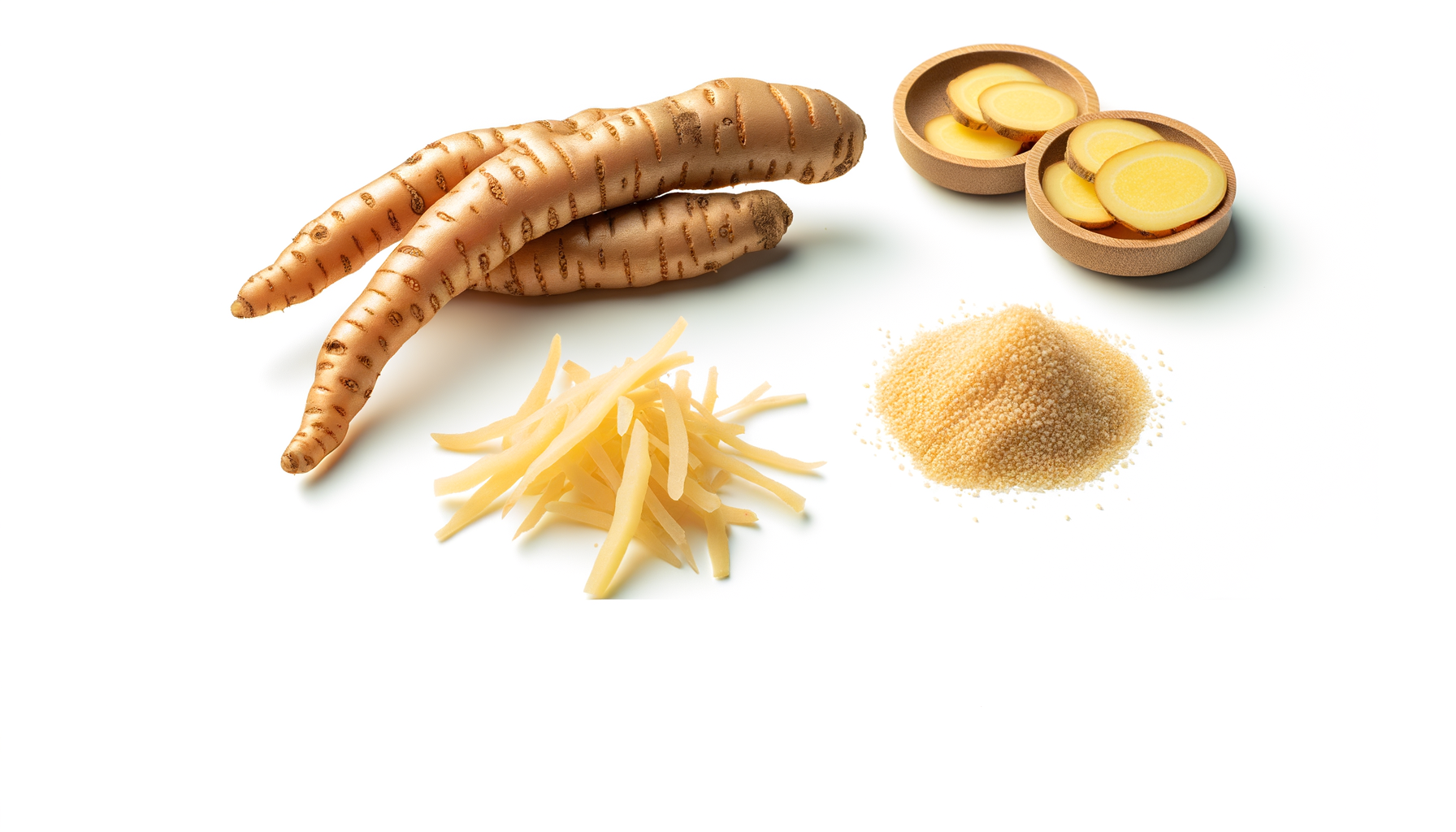
Fingerroot
Boesenbergia pandurata
Sensory Profile
Tastes
Basic flavor profiles
Aromas
Scent characteristics
Stimuli
Sensory sensations
Textures
Physical properties
About Fingerroot
Fingerroot, also known as Chinese ginger or lesser galangal, boasts a unique flavor that is both aromatic and slightly peppery, with hints of ginger and a subtle earthiness. Its taste is more delicate than traditional ginger, offering a warm, spicy undertone that enhances dishes without overpowering them. Widely used in Southeast Asian cuisine, particularly in Thai and Indonesian dishes, fingerroot is often grated or sliced and added to soups, curries, and stir-fries. It can also be used to infuse oils or vinegars, providing a fragrant base for dressings and marinades. In traditional medicine, fingerroot is valued for its potential health benefits, including anti-inflammatory and digestive properties. Fingerroot is native to the tropical regions of Southeast Asia, particularly found in countries like Thailand, Malaysia, and Indonesia. It thrives in humid, warm climates and is often cultivated in home gardens for both culinary and medicinal purposes. This spice is characterized by its slender, elongated rhizomes that resemble fingers, hence the name "fingerroot." The skin is light brown, while the flesh is pale yellow to white. Its aromatic qualities and versatility in both cooking and traditional medicine make fingerroot a cherished ingredient in various culinary traditions.
Associated health effects(10)
- Antioxidant
- Allergic Reactions
- Toxicity and Safety
- Nephroprotection
- Nutritional Advantages
- Wound Healing
- Aphrodisiac
- At-Risk Populations
- Anticancer Potential
- Anti-inflammatory
Nutrition per 100 g(4)
- Energy: 87 kcal
- Protein: 2 g
- Fat: 0.5 g
- Fiber: 3 g