
Flax Seeds Sensory Map
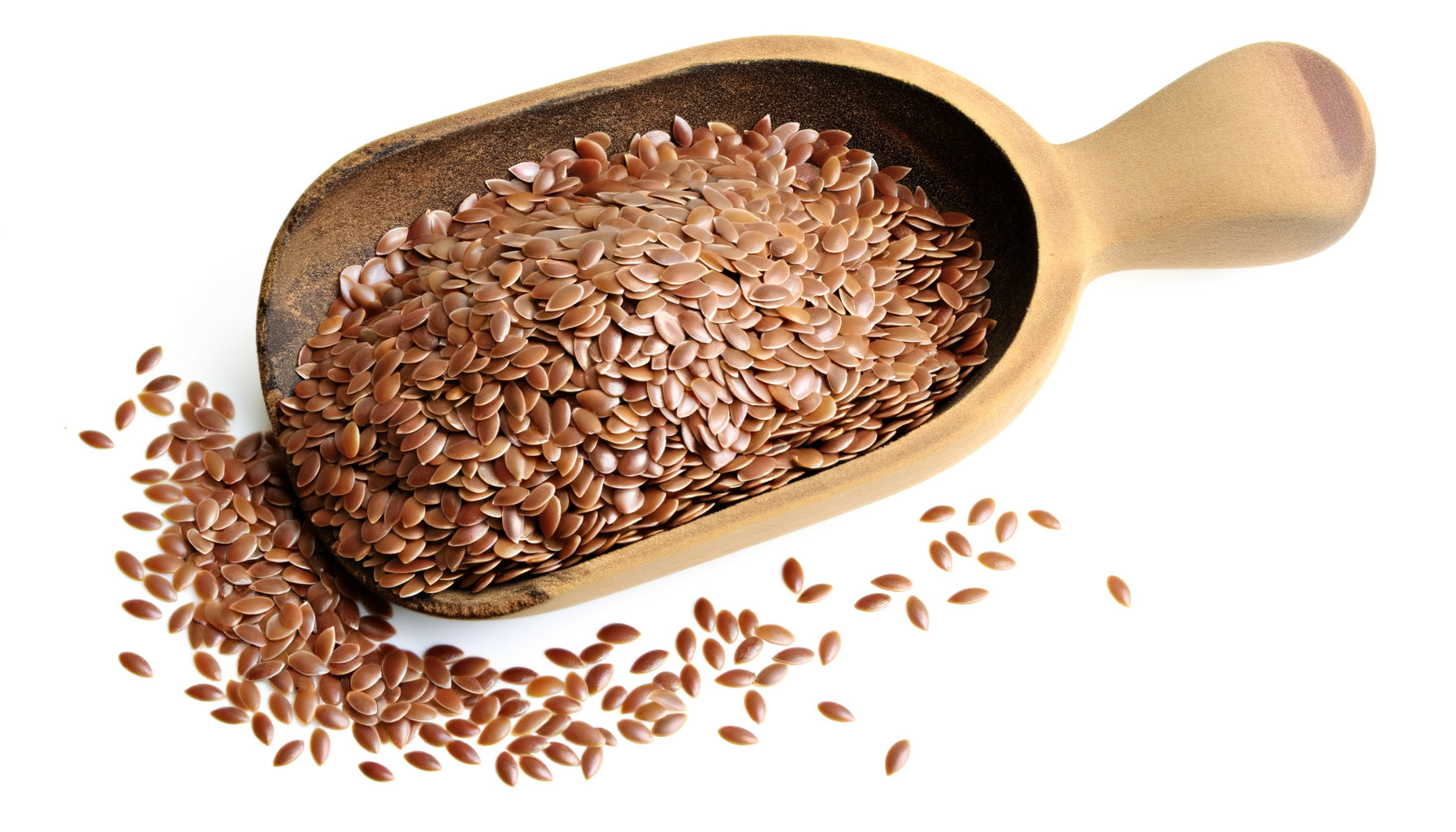
Flax Seeds
Linum usitatissimum
Sensory Profile
Tastes
Basic flavor profiles
Aromas
Scent characteristics
Stimuli
Sensory sensations
Textures
Physical properties
About Flax Seeds
Flax Seeds (Linum usitatissimum) are small, flat, and oval-shaped seeds that boast a nutty, slightly earthy flavor with subtle hints of sweetness, complemented by a delicate aroma reminiscent of toasted grains. Their texture is smooth and crunchy when whole, while ground flax seeds take on a finer, meal-like consistency that can enhance the mouthfeel of various dishes. In culinary applications, flax seeds shine in recipes such as traditional Scandinavian rye bread, where they contribute moisture and a rich, nutty depth, as well as in vegan baking, where they serve as an effective egg substitute due to their ability to form a gel-like consistency when mixed with water, mimicking the binding properties of eggs. Originating from the Mediterranean and parts of Asia, flax seeds have been cultivated for thousands of years, holding cultural significance in regions like Eastern Europe and the Middle East, where they are often incorporated into health-focused diets. Traditional production methods involve cold pressing to extract flaxseed oil, preserving the seeds' nutritional integrity, which is rich in omega-3 fatty acids and lignans, compounds known for their antioxidant properties. What distinguishes flax seeds in the culinary realm is their unique ability to emulsify and stabilize mixtures, making them particularly valuable in dressings and smoothies, while their high fiber content aids in digestion and adds nutritional density to dishes.
Associated health effects(22)
- Satiety Enhancement
- Alpha-Linolenic Acid Support
- Lignan-Mediated Hormone Modulation
- Constipation Relief
- Phytate Mineral Bioavailability Reduction
- Cardiovascular Protection
- Phytosterol-Mediated Cholesterol Reduction
- Blood Pressure Reduction
- Cancer-Preventive
- Cyanogenic Glycoside Toxicity
- Gut Motility Enhancement
- HDL Cholesterol Elevation
- Blood Sugar Support
- Blood Sugar Regulation
- Polyphenol-Mediated Antioxidant Activity
- Esophageal Obstruction Risk
- Dietary Fiber
- Cholesterol Absorption Inhibition
- LDL Cholesterol Reduction
- Triglyceride Reduction
- Lignan-Mediated Anticancer Potential
- Anti-inflammatory
Nutrition per 100 g(4)
- Energy: 534 kcal
- Protein: 18 g
- Fat: 42 g
- Fiber: 27 g