
Fleur de Sel Sensory Map
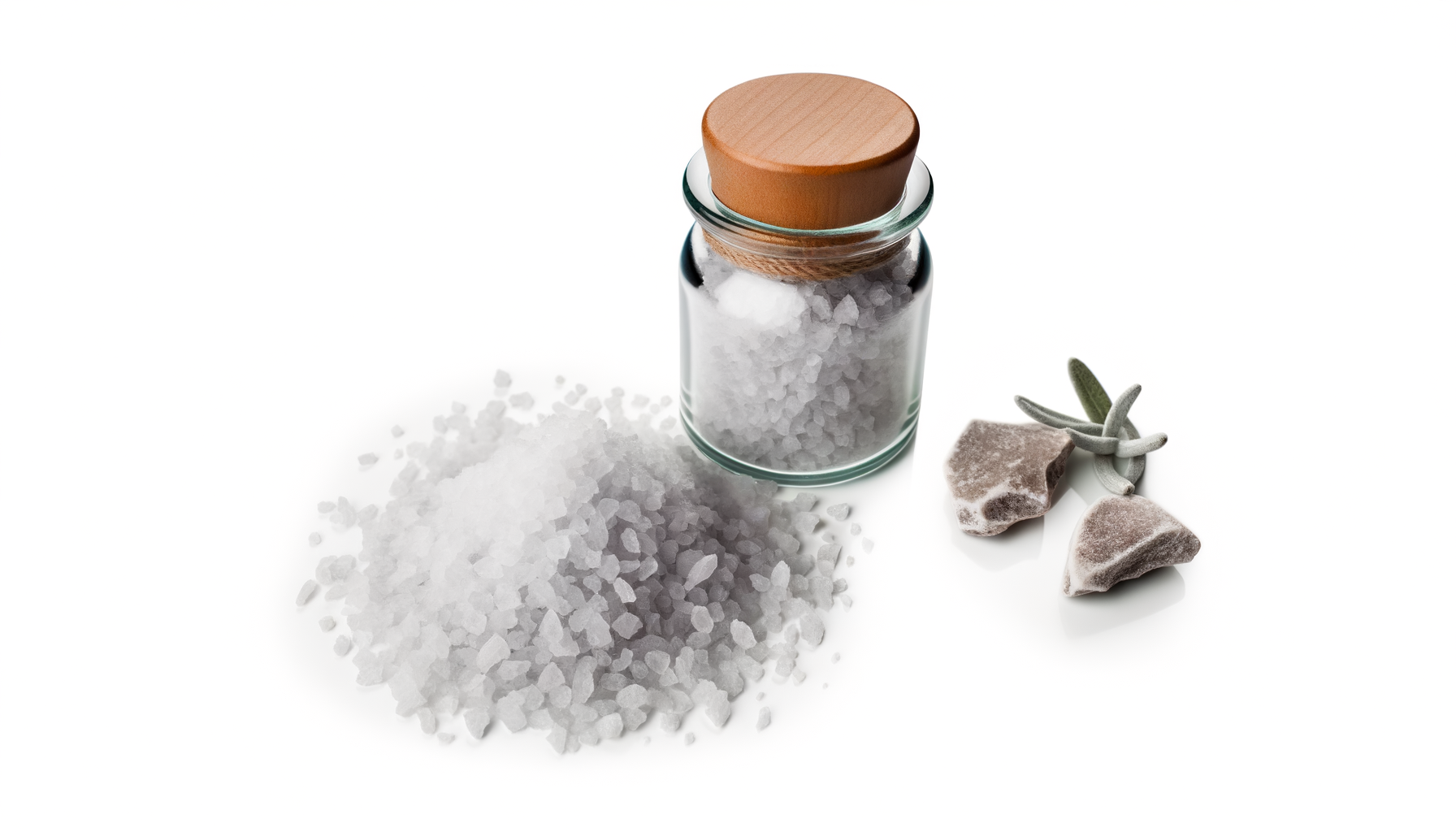
Fleur de Sel
Salinae floris
Sensory Profile
Tastes
Basic flavor profiles
Aromas
Scent characteristics
Stimuli
Sensory sensations
Textures
Physical properties
About Fleur de Sel
Fleur de Sel, often referred to as "flower of salt," boasts a delicate, flaky texture and a subtle brininess that enhances the natural flavors of dishes without overpowering them. Its unique flavor is characterized by a mild sweetness and a hint of mineral complexity, making it a preferred finishing salt among chefs and culinary enthusiasts. This artisanal sea salt is best used as a finishing touch for a variety of dishes. It is ideal for sprinkling over grilled meats, roasted vegetables, and fresh seafood, as well as enhancing the flavor of salads and gourmet chocolates. Fleur de Sel can also be incorporated into baked goods, providing a delightful contrast to sweet flavors. Harvested from the surface of salt ponds in coastal regions, particularly in France (notably in the Guérande and Camargue regions), Fleur de Sel is produced through traditional methods that involve raking the salt crystals formed on the water's surface. This labor-intensive process, which relies on specific weather conditions, contributes to its rarity and premium status. Fleur de Sel is distinguished by its light, flaky crystals that are larger than regular table salt. These crystals dissolve quickly on the palate, releasing their flavor and providing a satisfying crunch. Its natural gray hue, often influenced by the minerals in the surrounding clay, adds to its visual appeal. As a gourmet product
Associated health effects(49)
- Sodium Sensitivity
- Calcium Loss
- Reduced Sodium Intake via Flavor
- Iodine Deficiency Risk
- Traditional Topical and Bath Applications
- Limited Nutritional Advantages
- Appetite Stimulant
- Kidney Stress
- Hypertension
- Cardiovascular Disease Risk
- Kidney Damage Risk
- Drug Interactions
- Calcium Content Support
- Dose-Dependent Effects
- Cardiovascular Risk
- Sodium Deficiency Prevention
- Sodium Content
- Bloating, fluid retention
- No Unique Nutritional Advantage
- Heavy Metal Contamination Risk
- Cardiovascular Stress
- Electrolyte Disturbance
- High Sodium Content
- Flavor and Culinary Use
- Topical Muscle Relaxation Support
- No Evidence of Toxicity, Heavy Metals, or Contaminants
- Mineral Content
- Kidney Damage
- Electrolyte Balance Support
- Interaction with Medications
- Dehydration
- Bone Health
- Larger Crystal Size Sodium Reduction
- Blood Pressure Elevation
- Metabolic Disruption via Gut Lipid Metabolite Alteration
- Muscle Cramp Relief
- Digestive Upset
- Salt Sensitivity
- Iodine Provision
- Trace Mineral Content Support
- Culinary Properties
- Muscle Function Support
- Topical/Therapeutic Use
- Gastrointestinal Distress
- Magnesium
- Sodium Overload
- Digestive Support
- Food Palatability Enhancement
- Digestive Aid
Nutrition per 100 g(4)
- Energy: 0 kcal
- Protein: 0 g
- Fat: 0 g
- Fiber: 0 g