
Freekeh Sensory Map
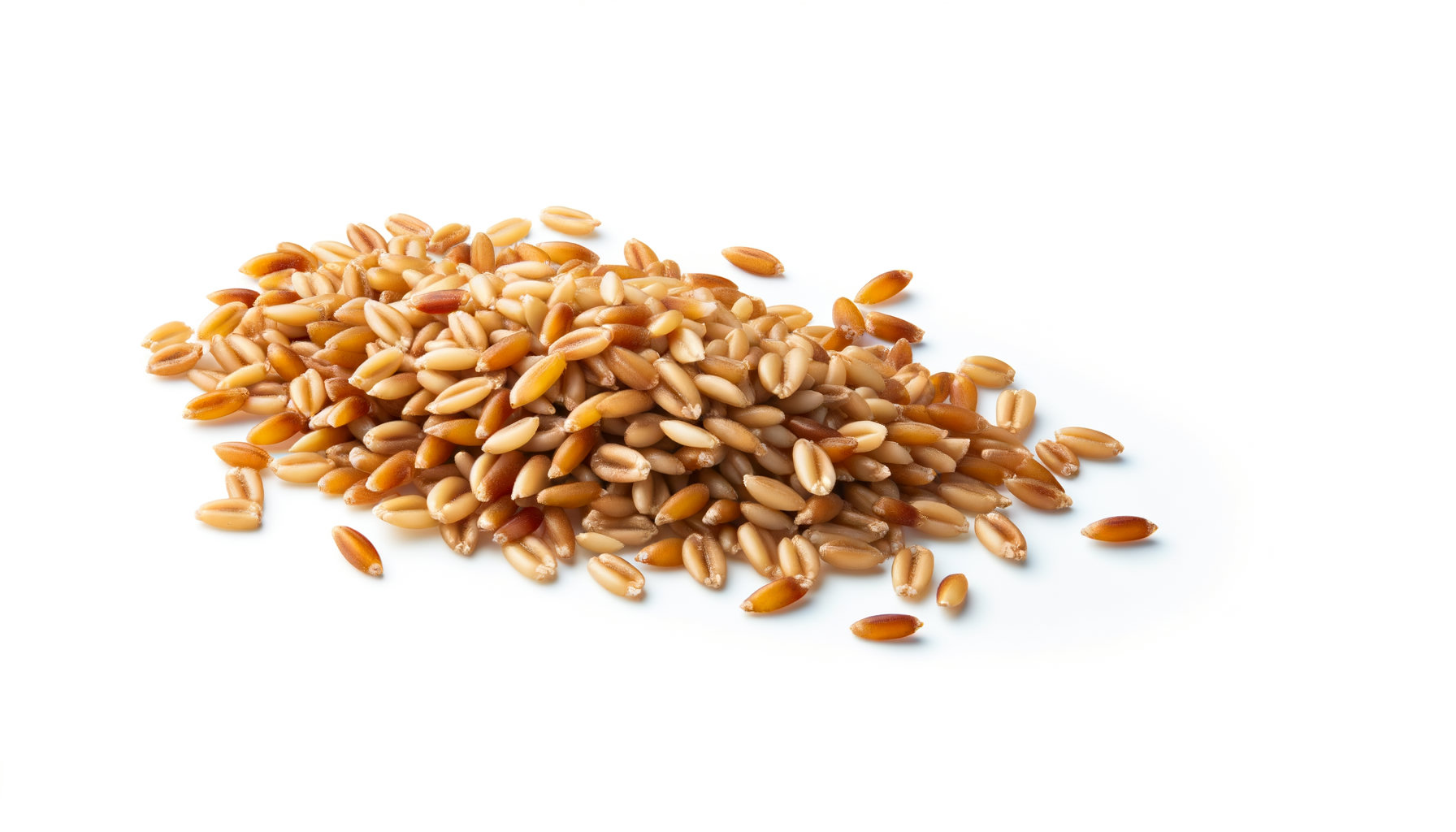
Freekeh
Triticum durum
Sensory Profile
Tastes
Basic flavor profiles
Aromas
Scent characteristics
Stimuli
Sensory sensations
Textures
Physical properties
About Freekeh
Freekeh (Triticum durum) is an ancient grain with a distinctive nutty flavor profile, characterized by its smoky aroma and slightly chewy texture. The grain is harvested while still young and green, then roasted, which imparts a unique depth of flavor that enhances dishes such as Freekeh Pilaf, where its robust texture contrasts beautifully with tender vegetables and spices. This grain also shines in traditional Middle Eastern dishes like Freekeh Soup, where its ability to absorb flavors while maintaining a firm bite creates a satisfying mouthfeel, and in salads, where it adds a hearty component that complements fresh herbs and citrus dressings. Originating from the Levant region, particularly in countries like Syria and Jordan, freekeh holds cultural significance as a staple in many traditional diets, often associated with harvest celebrations. The production method involves a meticulous process of harvesting immature durum wheat, followed by a unique roasting technique that not only enhances its flavor but also contributes to its nutritional profile, as the grain retains higher levels of fiber and protein compared to fully matured wheat. What sets freekeh apart is its unique composition; the roasting process not only develops its complex flavors but also creates a grain that is rich in antioxidants and has a lower glycemic index than many other grains, making it a favorable choice for health-conscious consumers. Its ability to absorb moisture while maintaining structural integrity allows it to be used in a variety of culinary applications, from pilafs to grain bowls, making it an exceptional ingredient for chefs looking to elevate their dishes with both flavor and nutrition.
Associated health effects(42)
- Micronutrient Support
- Satiety Enhancement
- Micronutrient Density
- Colonic Transit Enhancement
- Constipation Relief
- Flatulence and Bloating
- Phytate Mineral Bioavailability Reduction
- Antioxidant
- Allergic Reactions
- Cardiovascular Health
- Short-Chain Fatty Acid Production
- IBS Symptom Relief
- Blood Sugar Support
- Blood Sugar Regulation
- Iron Content Support
- Mineral Content
- Dietary Fiber
- Prebiotic Fiber-Mediated Gut Microbiota Improvement
- Bone Health
- Prebiotic Support
- Cholesterol Management
- Anemia Prevention
- Phosphorus
- Manganese
- Protein Content
- Weight Management
- Glycemic Index Support
- B Vitamin Nervous System Support
- LDL Cholesterol Reduction
- Trace Mineral Content Support
- Potassium
- Muscle Function Support
- Gluten Content
- Heart Health
- Colorectal Cancer Risk Reduction
- Magnesium
- Eye Health
- Digestive Aid
- Lutein and Zeaxanthin Support
- Digestive Health
- Anti-inflammatory
- Resistant Starch Prebiotic Support
Nutrition per 100 g(4)
- Energy: 340 kcal
- Protein: 14 g
- Fat: 2 g
- Fiber: 10 g