
Fructose Sensory Map
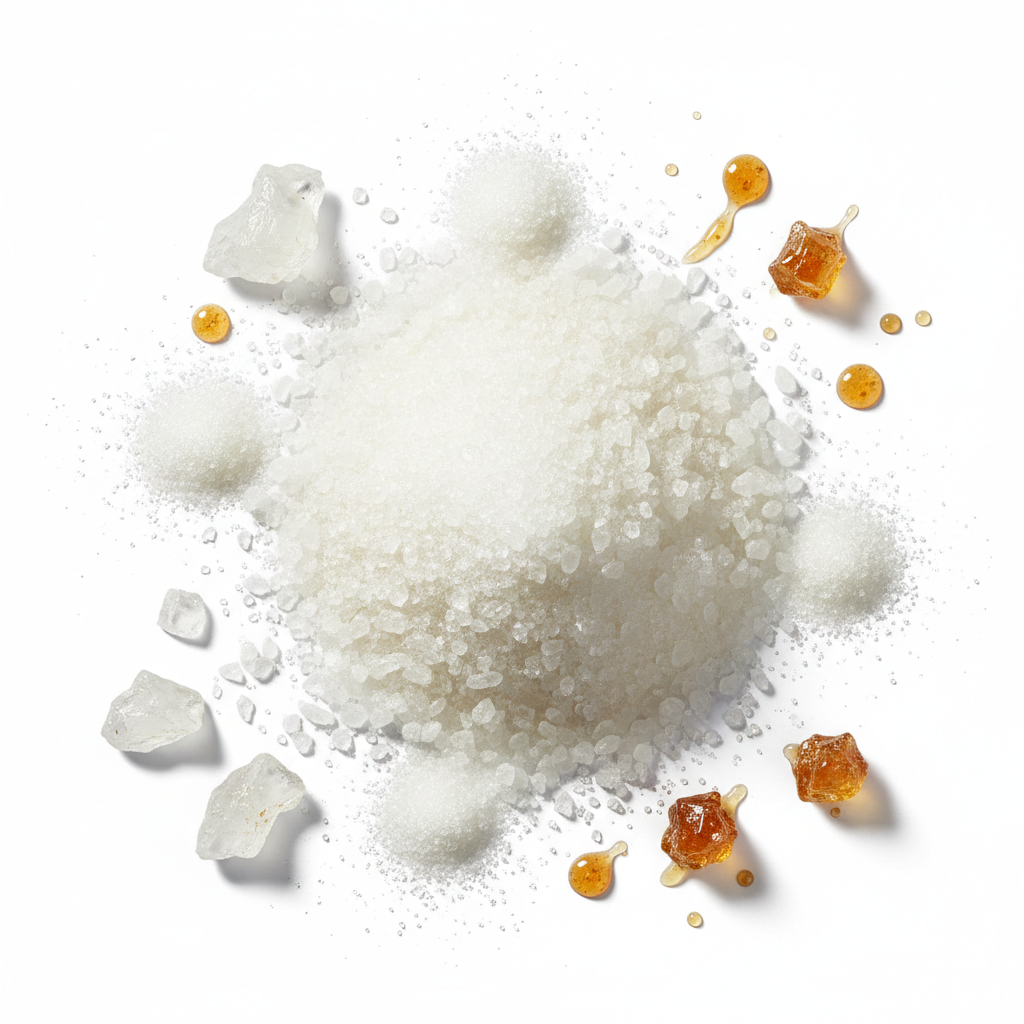
Fructose
Fructosum
Sensory Profile
Tastes
Basic flavor profiles
Aromas
Scent characteristics
Stimuli
Sensory sensations
Textures
Physical properties
About Fructose
Fructose (Fructosum), a monosaccharide naturally occurring in pomaceous fruits and honey, is distinguished by its intense, clean sweetness that peaks rapidly on the palate and dissipates quickly, lacking the lingering aftertaste associated with sucrose. This crystalline ketohexose is highly hygroscopic, a property that makes it indispensable in the production of soft-batch cookies and dense gingerbreads, where it actively attracts atmospheric moisture to prevent staling and maintain a moist, chewy crumb. In the context of high-heat applications like *Canard à l'Orange* or glazed root vegetables, fructose excels due to its low caramelization temperature (approximately 110°C/230°F), facilitating a deep, mahogany Maillard reaction and complex bitter-sweet notes far earlier than granulated sugar. Historically derived through the hydrolysis of inulin from chicory roots or the enzymatic conversion of corn starch, it remains a cornerstone of Levantine confectionery, providing the necessary solubility to create crystal-clear, non-grainy syrups for soaking *Baklava*. Beyond its sweetening power, fructose acts as a potent flavor enhancer for acidic components, sharpening the perception of volatile esters in berry coulis and stone fruit preserves while simultaneously lowering the freezing point of sorbets to ensure a smooth, micro-crystalline texture.
Associated health effects(10)
- Exercise Performance Enhancement
- Insulin Sensitivity Enhancement
- Appetite Reduction
- Liver Fat Accumulation
- Fructose Intolerance Risk
- Cardiometabolic Risk
- Excess Calorie Intake
- High Intake Added Sugar-Induced Liver Fat Accumulation
- Low Glycemic Impact
- High Intake Added Sugar-Induced Triglyceride Elevation
Nutrition per 100 g(4)
- Energy: 399 kcal
- Protein: 0.1 g
- Fat: 0.1 g
- Fiber: 0 g