
Galangal Sensory Map
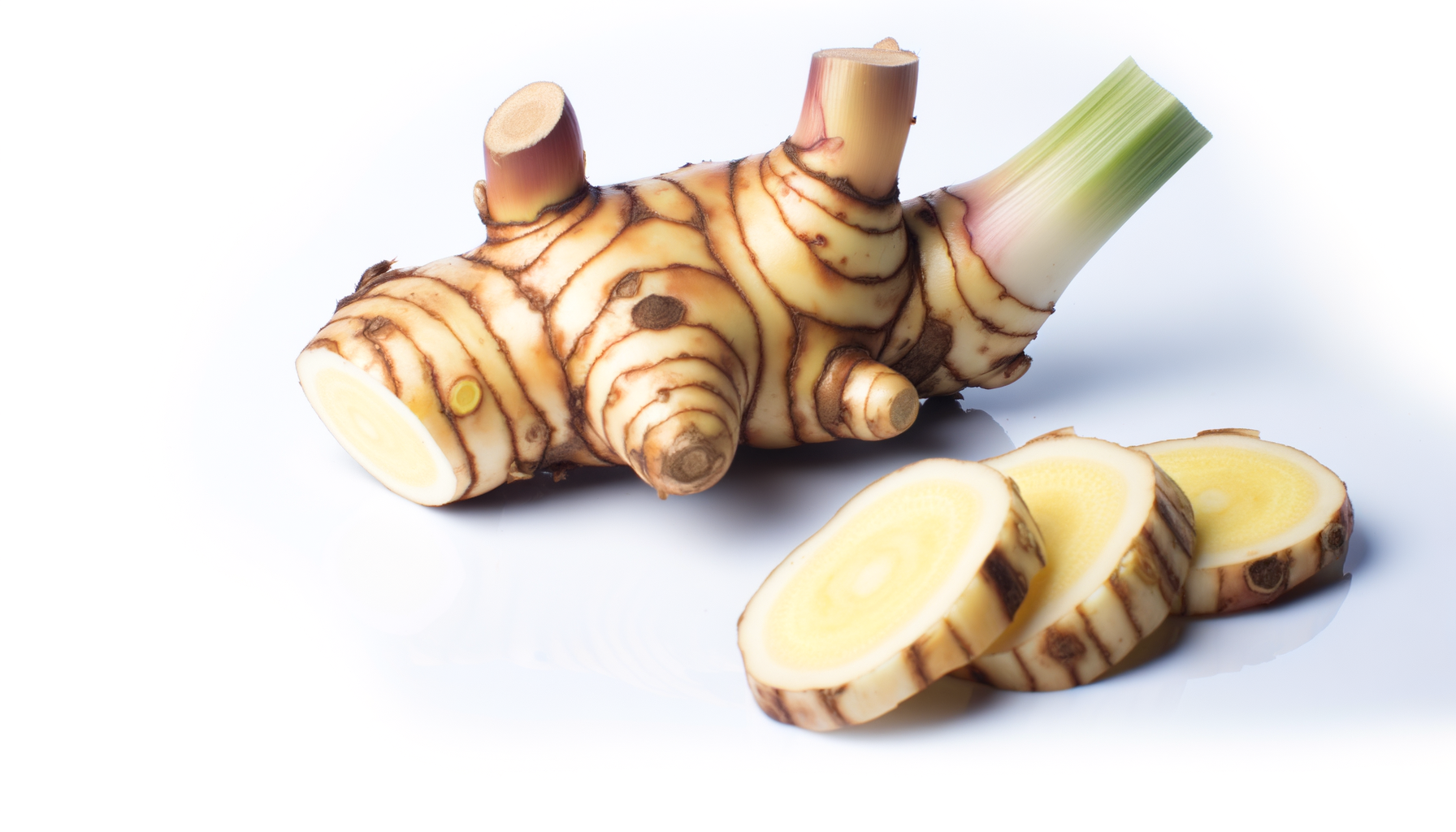
Galangal
Alpinia galanga
Sensory Profile
Tastes
Basic flavor profiles
Aromas
Scent characteristics
Stimuli
Sensory sensations
Textures
Physical properties
About Galangal
Galangal is a rhizome that boasts a unique flavor profile, characterized by its sharp, peppery notes and a warm, citrusy undertone. Its taste is often described as a blend of ginger and turmeric, with a more aromatic and slightly pine-like quality. The spice has a fragrant, earthy aroma that enhances the overall sensory experience in dishes. Primarily used in Southeast Asian cuisine, galangal is a key ingredient in Thai, Indonesian, and Malaysian dishes. It is commonly found in soups, curries, and stir-fries, where it adds depth and complexity. Galangal is often used in traditional recipes such as Tom Yum soup and various rendang dishes. It can be used fresh, dried, or powdered, with fresh galangal being preferred for its vibrant flavor. It pairs well with coconut milk, lemongrass, and a variety of herbs and spices. Galangal is native to Southeast Asia and is cultivated extensively in countries such as Thailand, Indonesia, and Malaysia. It thrives in tropical climates and is often grown in home gardens for its culinary and medicinal properties. The plant belongs to the Zingiberaceae family, which also includes ginger and turmeric. Galangal is easily identifiable by its tough, brownish skin and pale yellow to white flesh. The rhizome is firmer and denser than ginger
Associated health effects(22)
- Digestive Motility Enhancement
- Expectorant
- Male Fertility Boost
- Antioxidant
- Allergic Reactions
- Pain Relief
- Blood Sugar Support
- Antidiabetic Activity
- Immune Modulation
- Digestive Irritation
- Flavor and Culinary Use
- Interaction with Medications
- Nausea Relief
- Cholesterol Management
- Gastroprotection
- Alpha-glucosidase Inhibition
- Antibacterial
- Neuroprotection
- Digestive Aid
- Respiratory Support
- Anticancer Potential
- Anti-inflammatory
Nutrition per 100 g(4)
- Energy: 60 kcal
- Protein: 1 g
- Fat: 0.6 g
- Fiber: 2 g