
Garden Cress Sensory Map
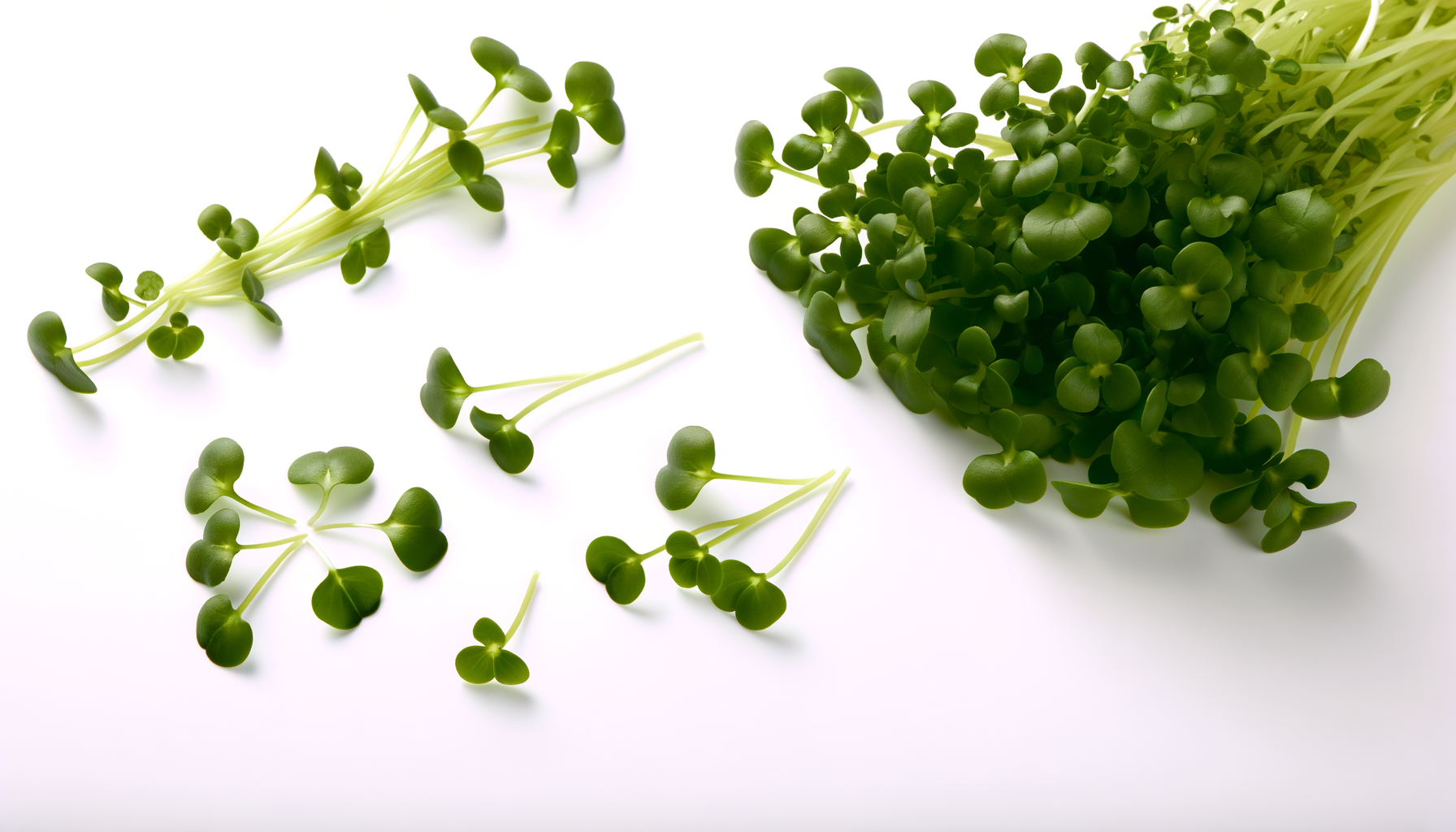
Garden Cress
Lepidium sativum
Sensory Profile
Tastes
Basic flavor profiles
Aromas
Scent characteristics
Stimuli
Sensory sensations
Textures
Physical properties
About Garden Cress
Garden cress boasts a peppery, tangy flavor reminiscent of mustard greens and arugula. Its fresh, slightly bitter notes provide a zesty kick, making it a vibrant addition to various dishes. Widely utilized in salads, sandwiches, and as a garnish, garden cress is often added to enhance the flavor of soups and spreads. It pairs well with creamy textures, such as cheese and yogurt, and can be incorporated into pestos or blended into dressings for an extra layer of complexity. Additionally, it is commonly used in Middle Eastern and European cuisines, particularly in dishes that highlight fresh herbs. Native to the Mediterranean region, garden cress has been cultivated since ancient times. It thrives in temperate climates and is often grown in home gardens for its rapid growth and ease of cultivation. The plant is believed to have been used by the Romans and has spread across Europe and Asia, becoming a staple in many culinary traditions. Garden cress is characterized by its small, round, green leaves and delicate stems, which can grow up to 30 cm in height. The plant is typically harvested young, when the leaves are tender and flavorful. It is rich in vitamins A, C, and K, as well as minerals like calcium and iron, making it not only a flavorful addition but also a nutritious one.
Associated health effects(54)
- Safety and Toxicity
- Satiety Enhancement
- Insulin Sensitivity Enhancement
- Micronutrient Density
- Constipation Relief
- Potential Additive Hypoglycemia
- Calcium Content Support
- Cardiovascular Protection
- Antioxidant
- Diabetes Management
- Cardiovascular Health
- Hypotension
- Blood Pressure Reduction
- Folate Source
- Nutritional Advantages
- Aphrodisiac
- Blood Sugar Support
- Galactagogue Activity
- Low Caloric Density
- Vitamin K Source
- Antidiabetic Activity
- Blood Sugar Regulation
- Goitrin-Mediated Thyroid Interference
- Immune Booster
- Immune Modulation
- Hypoglycemia Risk
- Cough Reduction
- Iron Content Support
- No Evidence of Toxicity, Heavy Metals, or Contaminants
- At-Risk Populations
- Mineral Content
- Dietary Fiber
- Bone Health
- Cholesterol Management
- Anemia Prevention
- Antioxidant Immunity Support
- Antiscorbutic Activity
- Protein Content
- Diuretic Activity
- Weight Management
- Antibacterial
- Fiber Content
- Laxative Activity
- Neuroprotection
- Complete Protein Support
- Heart Health
- Hypoglycemia
- Mucilage-Mediated Bowel Regularity
- Digestive Aid
- Vitamin A Source
- Cholesterol Improvement
- Digestive Health
- Anticancer Potential
- Anti-inflammatory
Nutrition per 100 g(4)
- Energy: 24 kcal
- Protein: 2.6 g
- Fat: 0.7 g
- Fiber: 1 g