
Garlic Sensory Map
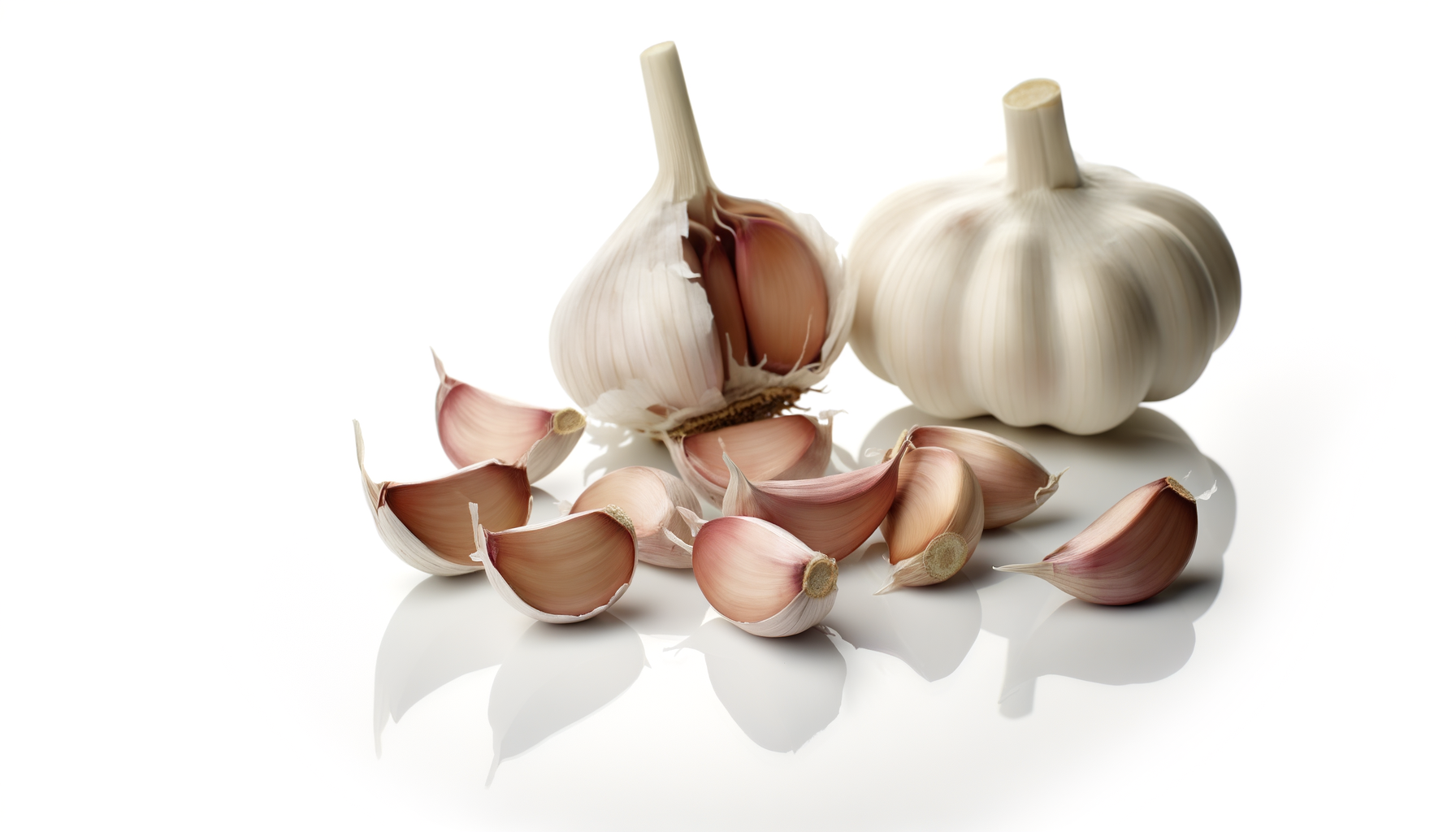
Garlic
Allium sativum
Sensory Profile
Tastes
Basic flavor profiles
Aromas
Scent characteristics
Stimuli
Sensory sensations
Textures
Physical properties
About Garlic
Garlic is renowned for its robust, pungent flavor that transforms into a sweet, nutty essence when roasted. Its raw form is sharp and spicy, imparting a bold kick to dishes, while cooked garlic mellows significantly, offering a rich depth that enhances a variety of cuisines. Garlic is a versatile spice used across global cuisines. It serves as a foundational ingredient in Mediterranean, Asian, and Latin American dishes. Commonly used in marinades, sauces, and dressings, garlic is essential in classics like garlic bread, aioli, and stir-fries. It can be minced, sliced, or roasted, and is often paired with herbs, vegetables, meats, and seafood to elevate flavor profiles. Believed to have originated in Central Asia, garlic has been cultivated for thousands of years, with historical references dating back to ancient Egypt and Mesopotamia. It spread throughout Europe and Asia, becoming a staple in various culinary traditions. Garlic is characterized by its bulbous structure, composed of multiple cloves encased in a papery skin. Its health benefits are widely recognized, attributed to its high levels of allicin, which is known for its antimicrobial and anti-inflammatory properties. Garlic's unique aroma and flavor make it a beloved ingredient, while its adaptability in cooking ensures its place in kitchens worldwide.
Associated health effects(14)
- Blood Pressure Support
- Antioxidant
- Allergic Reactions
- Cancer-Preventive
- Blood Sugar Support
- Immune Booster
- Vasodilation
- Digestive Irritation
- Interaction with Medications
- Cholesterol Management
- Weight Management
- Antibacterial
- Heart Health
- Anti-inflammatory
Nutrition per 100 g(4)
- Energy: 149 kcal
- Protein: 6.4 g
- Fat: 0.5 g
- Fiber: 2.1 g