
Ghee Sensory Map
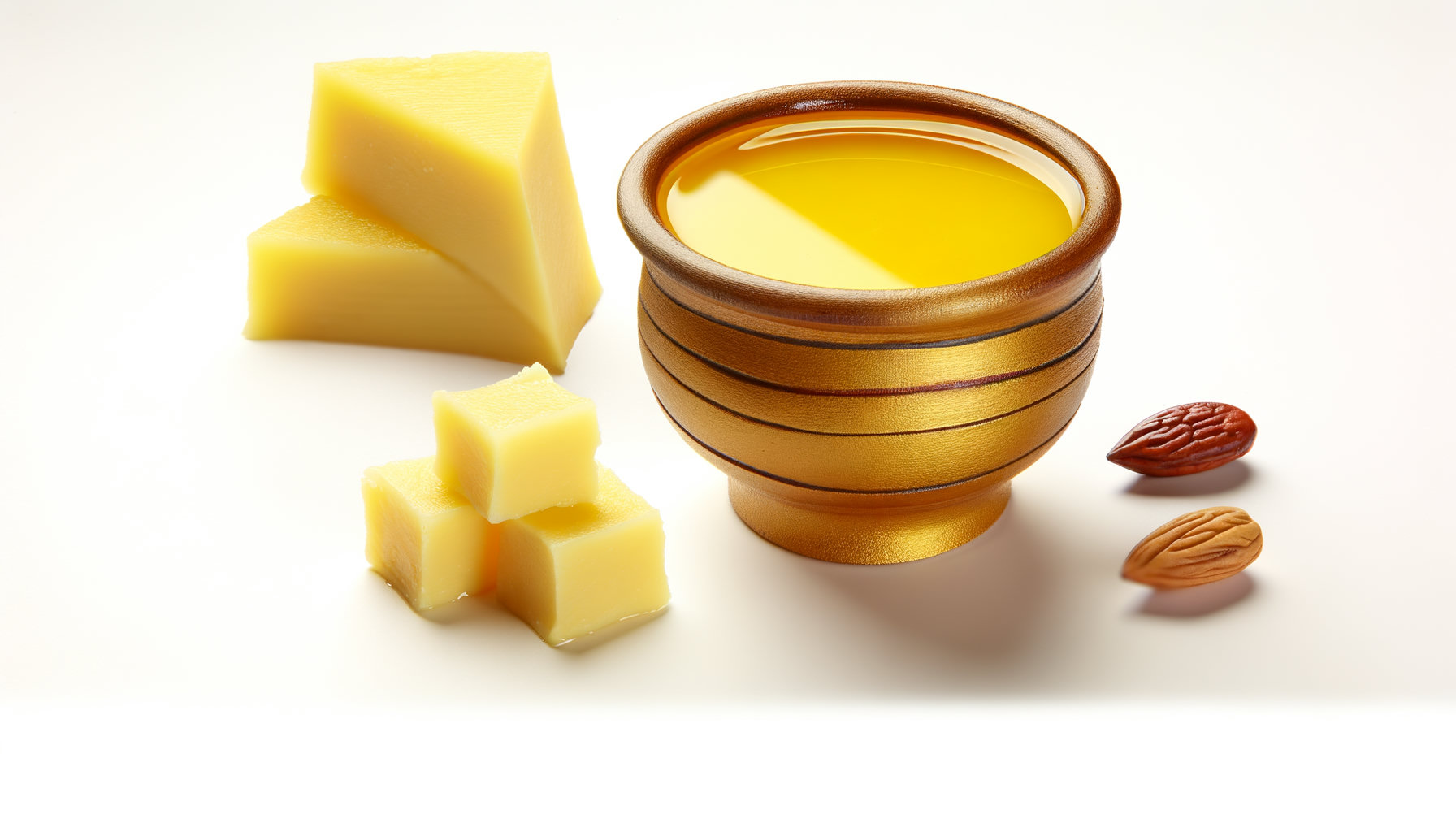
Ghee
Butyrum
Sensory Profile
Tastes
Basic flavor profiles
Aromas
Scent characteristics
Stimuli
Sensory sensations
Textures
Physical properties
About Ghee
Ghee (Butyrum) is a clarified butter that boasts a rich, nutty flavor profile, characterized by its deep golden hue and a smooth, velvety texture that melts effortlessly on the palate. The aroma is complex, with toasty notes reminiscent of caramelized milk solids and a hint of earthiness, which arise from the slow cooking process that removes moisture and milk proteins. This unique sensory experience makes ghee an essential ingredient in traditional dishes such as Indian dal, where its high smoke point allows for tempering spices without burning, enhancing the dish's aromatic qualities. In the preparation of biryani, ghee contributes a luxurious mouthfeel and depth of flavor, while also acting as a carrier for the spices, allowing their essential oils to bloom fully. Originating from the Indian subcontinent, ghee holds significant cultural importance, often used in religious rituals and Ayurvedic practices due to its perceived health benefits. Traditionally, it is produced by simmering unsalted butter until the water evaporates and the milk solids settle, resulting in a pure fat that is shelf-stable and resistant to rancidity. This meticulous process not only intensifies the flavor but also alters the fat's chemical structure, making it easier to digest compared to regular butter. Ghee's unique properties, including its ability to withstand high temperatures without smoking, and its rich, complex flavor profile, distinguish it as an indispensable fat in both traditional and contemporary culinary applications.
Nutrition per 100 g(4)
- Energy: 900 kcal
- Protein: 0.2 g
- Fat: 99.8 g
- Fiber: 0 g