
Ginger Sensory Map
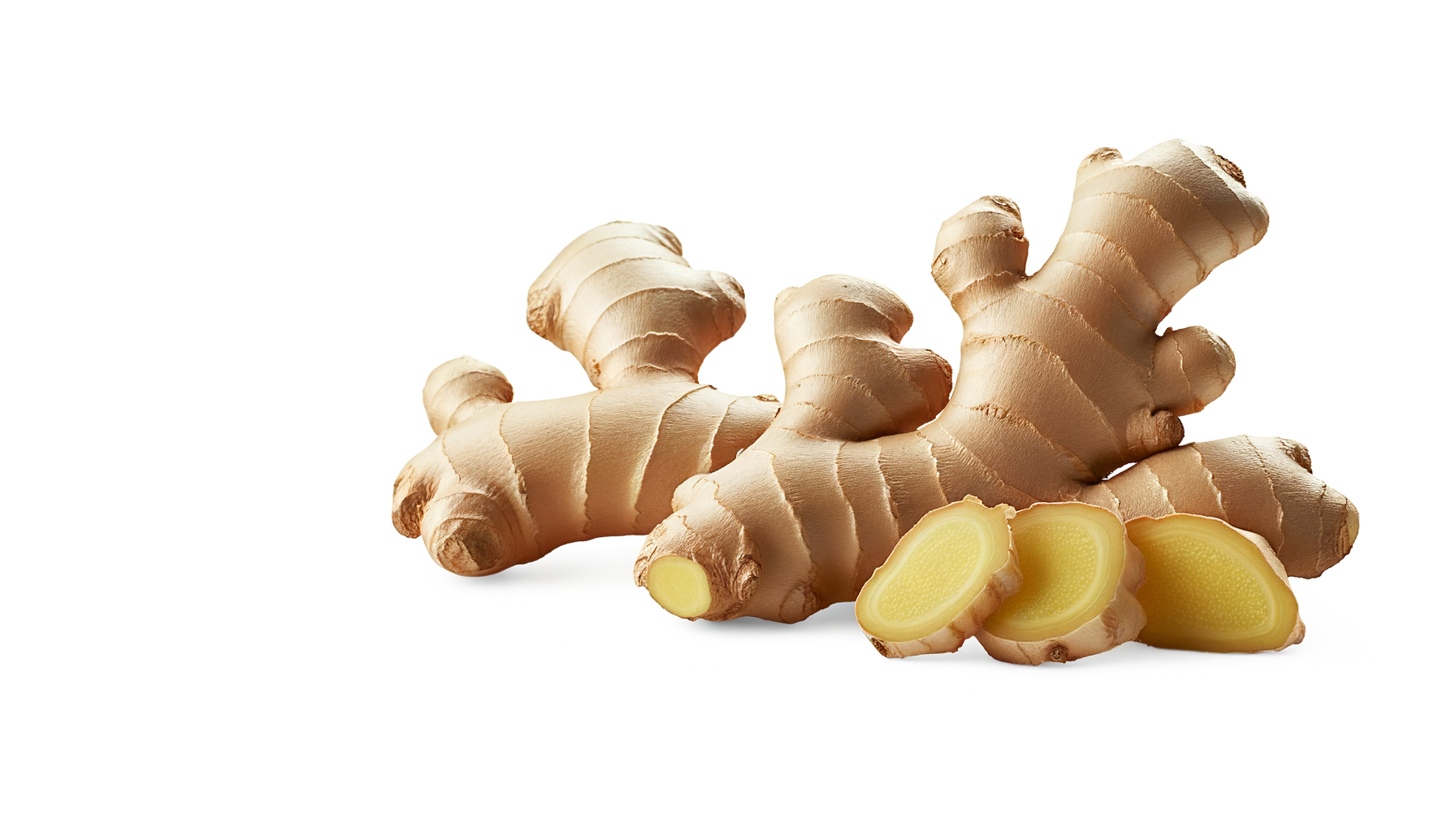
Ginger
Zingiber officinale
Sensory Profile
Tastes
Basic flavor profiles
Aromas
Scent characteristics
Stimuli
Sensory sensations
Textures
Physical properties
About Ginger
Ginger boasts a warm, zesty flavor with a distinct peppery heat and a hint of sweetness. Its aromatic qualities include citrusy and earthy notes, making it a versatile spice that can enhance both savory and sweet dishes. Widely used in various cuisines, ginger is a staple in Asian cooking, particularly in Chinese, Indian, and Thai dishes. It is commonly found in stir-fries, curries, soups, and marinades. Additionally, ginger is a key ingredient in baked goods such as gingerbread and cookies, as well as in beverages like ginger tea and cocktails. Fresh, dried, pickled, or powdered, ginger adapts well to a multitude of culinary applications. Native to Southeast Asia, ginger has been cultivated for thousands of years and is believed to have originated in the region stretching from India to the Malay Peninsula. It has since spread globally, with significant production in countries like India, China, Indonesia, and Nigeria. Ginger is characterized by its knobby, tuberous rhizome, which is typically light brown on the outside and pale yellow on the inside. Fresh ginger has a juicy texture, while dried ginger is more concentrated in flavor and aroma. Its health benefits, including anti-inflammatory and digestive properties, further enhance its appeal in both culinary and medicinal contexts. Ginger's unique combination of heat and sweetness makes it an essential spice for
Associated health effects(12)
- Menstrual Support
- Antioxidant
- Allergic Reactions
- Cancer-Preventive
- Pain Relief
- Immune Booster
- Digestive Irritation
- Interaction with Medications
- Nausea Relief
- Cholesterol Management
- Digestive Aid
- Anti-inflammatory
Nutrition per 100 g(4)
- Energy: 80 kcal
- Protein: 1.8 g
- Fat: 0.8 g
- Fiber: 2 g