
Glucose Sensory Map
Glucose
Glucosum
Sensory Profile
Tastes
Basic flavor profiles
Stimuli
Sensory sensations
Textures
Physical properties
About Glucose
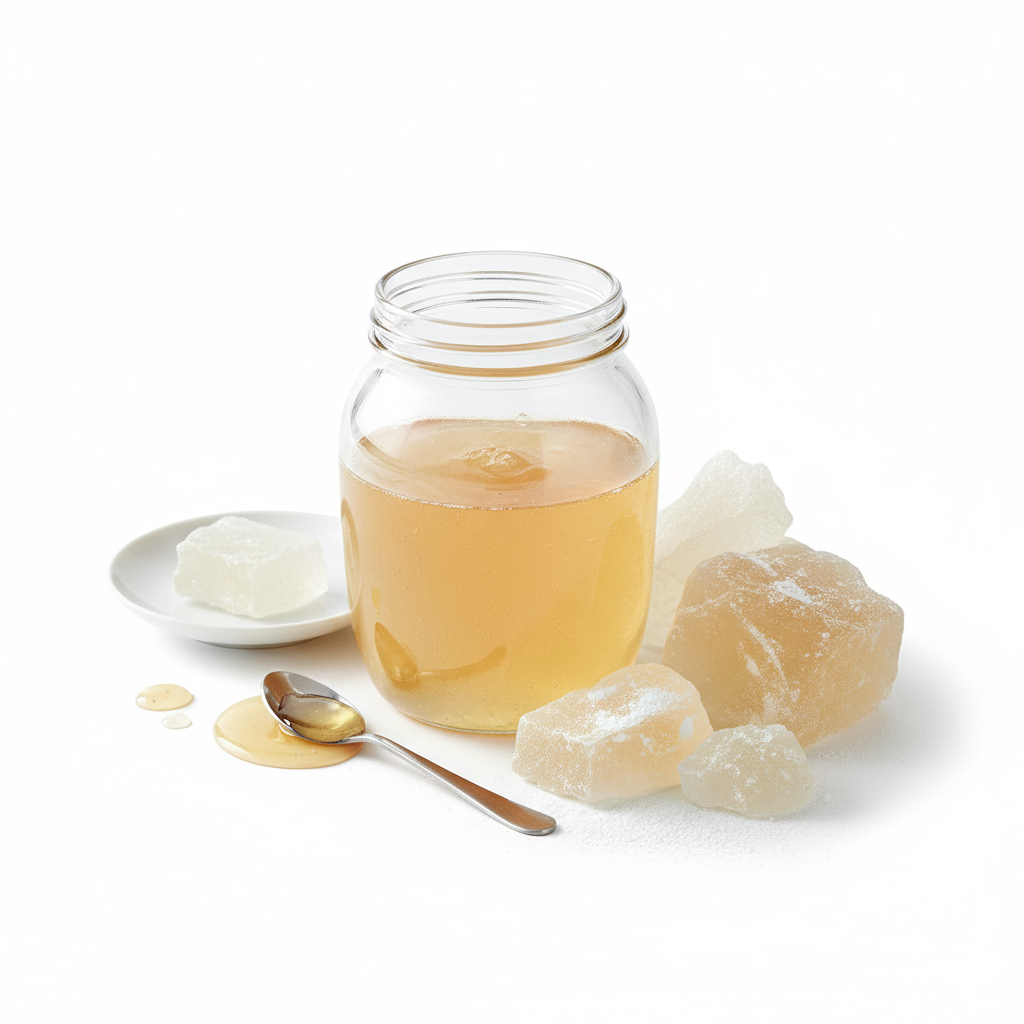
Glucose (Glucosum) is a monosaccharide carbohydrate that serves as a fundamental functional tool in the professional kitchen, characterized by a clean, neutral sweetness—approximately 70% as potent as sucrose—and a viscous, transparent syrupy texture that lacks any discernible aroma. In high-end confectionery and pâtisserie, it is indispensable for its high hygroscopicity and ability to inhibit sugar crystallization; for instance, in the production of **Italian Meringue** or **Artisanal Caramels**, glucose molecules physically interfere with the alignment of sucrose crystals, ensuring a silky, glass-like mouthfeel rather than a grainy finish. Beyond texture, its unique molecular structure promotes the Maillard reaction more efficiently than table sugar, making it a critical component in **Mirror Glazes** and commercial bread-making, where it facilitates a deep, mahogany browning of the crust and a moist, tender crumb through superior moisture retention. Historically derived from the enzymatic hydrolysis of plant starches—most commonly corn in North America and wheat or potatoes in Europe—glucose has transitioned from a 19th-century industrial innovation to a staple of French *confiserie*, valued for its ability to lower the freezing point in sorbets to prevent ice crystal formation. What distinguishes glucose from other sweeteners is its low "sweetness perception" relative to its solids content, allowing chefs to manipulate the viscosity and "chew" of a preparation without over-saturating the palate with sugar.
Associated health effects(13)
- Hypoglycemia Treatment
- Blood Sugar Spikes
- Dental Caries Promotion
- Culinary Sweetener Glycemic Impact
- Diabetes Risk Elevation
- Blood Glucose Recovery Acceleration
- Exercise Rapid Energy Provision
- Cognitive Performance Boost (Acute)
- Added Sugar Glycemic Impact
- Rapid Energy Provision
- Excess Calorie Intake
- High Intake Added Sugar-Induced Liver Fat Accumulation
- High Intake Added Sugar-Induced Triglyceride Elevation
Nutrition per 100 g(4)
- Energy: 400 kcal
- Protein: 0 g
- Fat: 0 g
- Fiber: 0 g