
Glucose Syrup Sensory Map
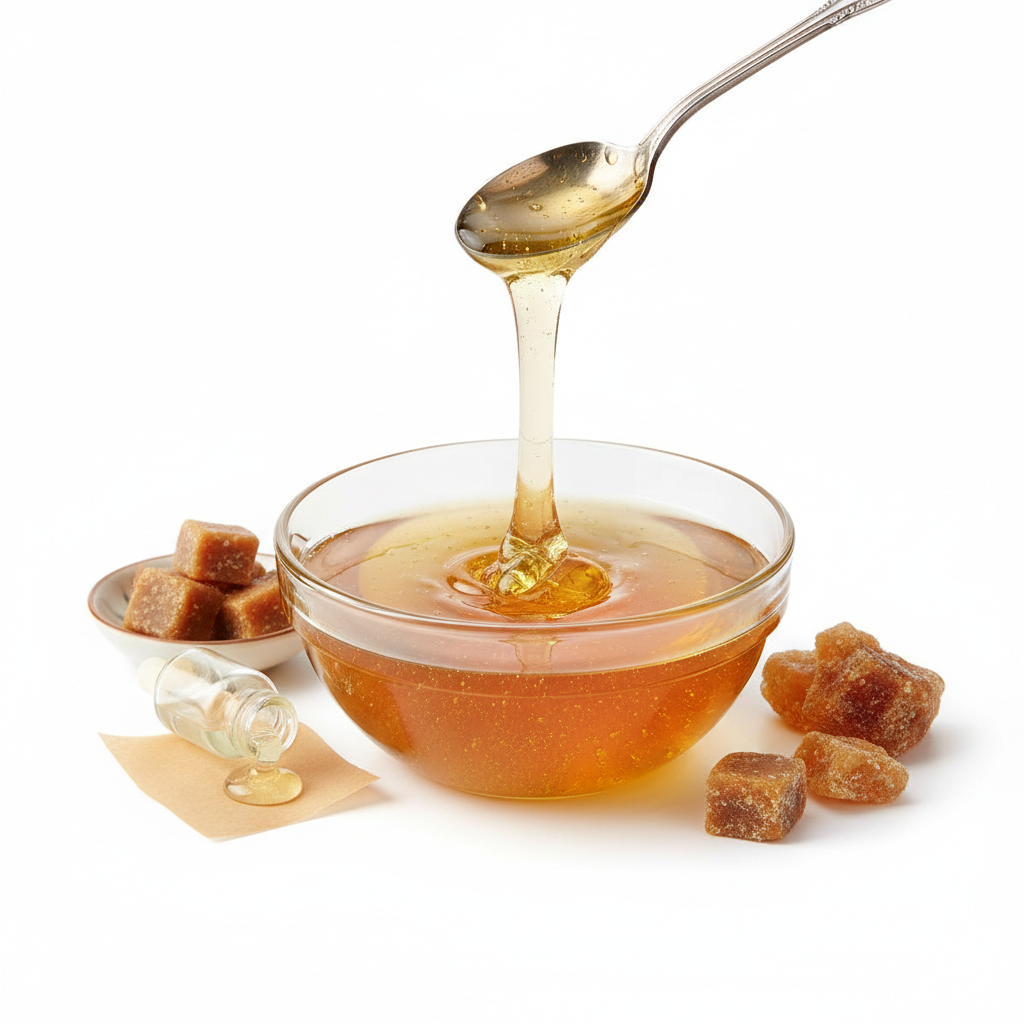
Glucose Syrup
Syrupus glucosii
Sensory Profile
Tastes
Basic flavor profiles
Aromas
Scent characteristics
Stimuli
Sensory sensations
Textures
Physical properties
About Glucose Syrup
Glucose Syrup (Syrupus glucosii) is a purified, concentrated aqueous solution of nutritive saccharides obtained through the controlled enzymatic or acid hydrolysis of starch—most commonly derived from maize in North America, wheat in Europe, or potatoes in specialized artisanal contexts. Unlike sucrose, it possesses a clean, muted sweetness and a viscous, glass-like transparency, functioning primarily as a powerful humectant and anti-crystallization agent that provides a dense, silky mouthfeel without the cloying aftertaste of granulated sugars. In the production of classic French *ganache* and Italian *gelato*, it is indispensable for its ability to lower the freezing point and interfere with the formation of large ice or sugar crystals, ensuring a velvety, stable emulsion that resists graininess over time. Its unique molecular structure, characterized by varying chain lengths of dextrose and maltose, allows it to undergo the Maillard reaction more readily than other sweeteners, contributing to the deep, complex browning and chewy elasticity found in traditional English toffees and American caramels. Beyond its sweetening power, glucose syrup is distinguished by its high osmotic pressure, which inhibits microbial growth and extends the shelf life of delicate pastries by retaining moisture within the protein matrix of the dough, preventing the staling associated with starch retrogradation.
Associated health effects(10)
- Hypoglycemia Treatment
- Blood Sugar Spikes
- Diabetes Risk Elevation
- Exercise Rapid Energy Provision
- High Sugar Content
- Weight Gain and Obesity Risk
- Added Sugar Glycemic Impact
- Rapid Energy Provision
- Excess Calorie Intake
- Caloric Excess
Nutrition per 100 g(4)
- Energy: 328 kcal
- Protein: 0.2 g
- Fat: 0.1 g
- Fiber: 0 g