
Gluten Sensory Map
Gluten
Sensory Profile
Tastes
Basic flavor profiles
Aromas
Scent characteristics
Stimuli
Sensory sensations
Textures
Physical properties
About Gluten
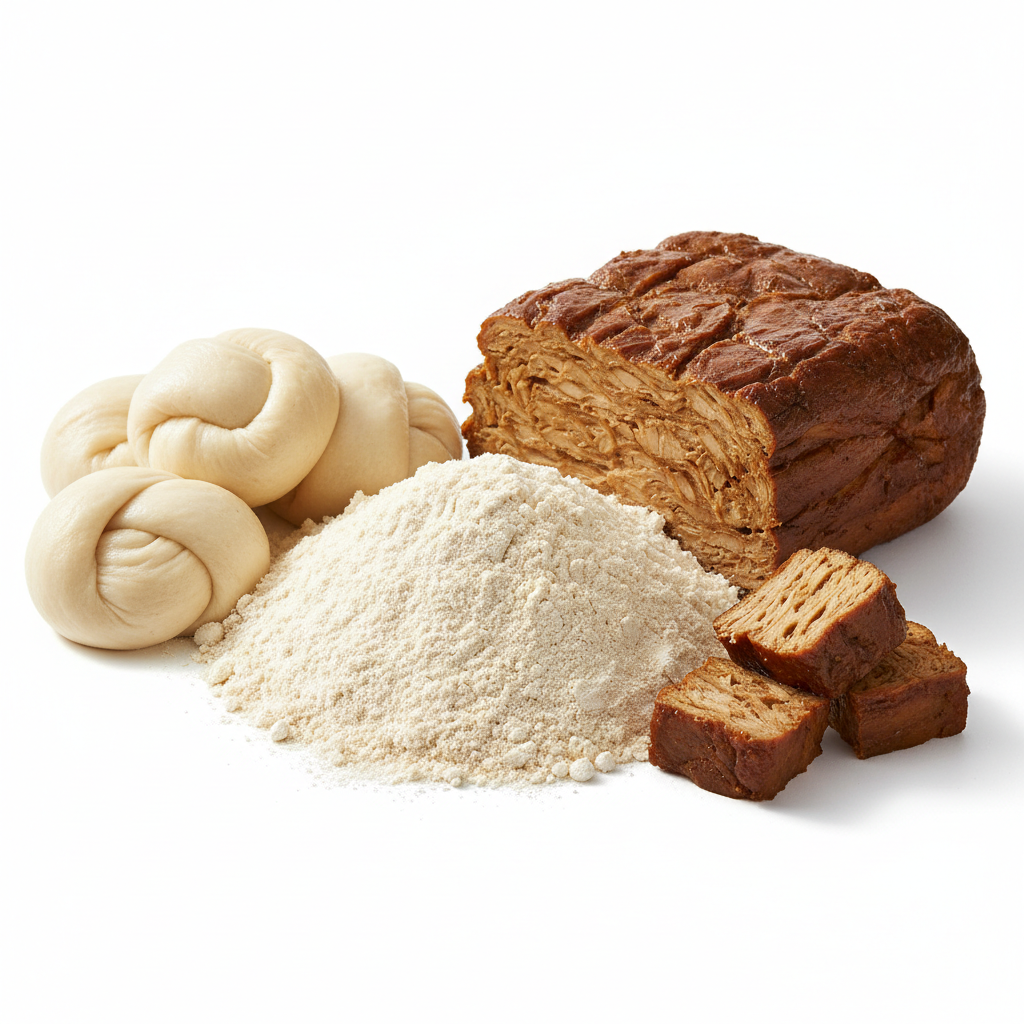
While not a spice in the botanical sense, Vital Wheat Gluten serves as the functional protein powerhouse of the culinary world, characterized by a neutral, slightly cereal-like aroma and a flavor profile that ranges from mild sweetness to a deep, savory umami when hydrated and cooked. Derived through the repeated washing of wheat flour dough to remove starches, this concentrated protein—comprised primarily of glutenin and gliadin—possesses a unique viscoelasticity that allows it to form a complex, three-dimensional matrix capable of trapping carbon dioxide during fermentation. This structural integrity is the cornerstone of the iconic **Seitan** (wheat meat) in Zen Buddhist vegetarian traditions, where the protein is braised in soy-rich broths to mimic the fibrous texture of muscle tissue, and in **high-hydration sourdoughs**, where it provides the tensile strength necessary for an open, airy crumb and a crisp, lacquered crust. Unlike other binders, gluten undergoes a transformative "curing" process when aged or fermented, as natural enzymes begin to break down the protein chains into free amino acids, significantly enhancing the depth of flavor and digestibility of the final product. Its ability to withstand high-heat applications without losing its chewy, resilient "bite" makes it an indispensable technical tool for texture engineering in both traditional baking and modern plant-based gastronomy.
Associated health effects(7)
- Celiac Disease Trigger
- Gluten Exposure Risk
- Allergic Reaction Risk
- Non-celiac Gluten Sensitivity Symptom Trigger
- Bioactive Peptide Support
- Digestive Prebiotic Support
- Food Palatability Enhancement
Nutrition per 100 g(4)
- Energy: 371 kcal
- Protein: 25 g
- Fat: 1 g
- Fiber: 2 g