
Gochugaru Sensory Map
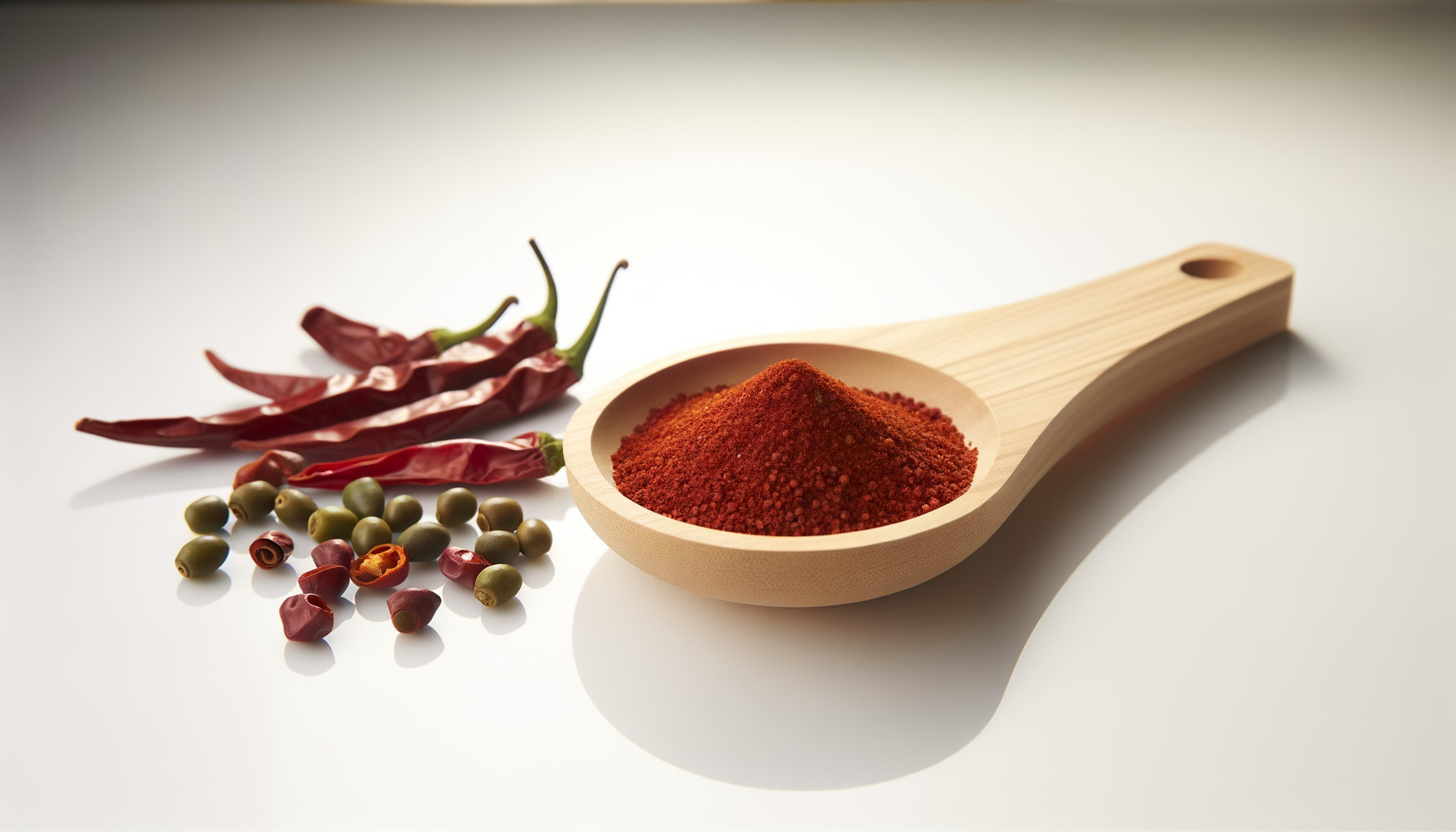
Gochugaru
Capsicum annuum
Sensory Profile
Tastes
Basic flavor profiles
Aromas
Scent characteristics
Stimuli
Sensory sensations
Textures
Physical properties
About Gochugaru
Gochugaru (Capsicum annuum) is a vibrant, coarsely ground red pepper that embodies the essence of Korean cuisine. Its sensory profile is characterized by a complex interplay of sweet and smoky notes, with a subtle earthiness that lingers on the palate; the aroma is reminiscent of sun-dried tomatoes and roasted bell peppers, while its texture is slightly gritty, providing a satisfying mouthfeel in dishes. Gochugaru is essential in iconic preparations such as **Kimchi**, where its capsaicin content not only imparts heat but also contributes to the fermentation process, enhancing the umami flavors as lactic acid bacteria thrive in its presence. In **Tteokbokki**, the spice adds depth and a gentle warmth that balances the sweetness of the gochujang (Korean chili paste), while in **Sundubu-jjigae** (soft tofu stew), it infuses the broth with a rich, red hue and a nuanced heat that elevates the dish's overall complexity. Originating from Korea, Gochugaru holds cultural significance as a staple in traditional Korean cooking, often made from sun-dried peppers that are ground to preserve their vibrant color and flavor. The production method typically involves harvesting ripe peppers, drying them in the sun, and then grinding them to achieve the desired coarseness, which helps retain the essential oils and flavor compounds that contribute to its unique profile. What sets Gochugaru apart is its low moisture content and the presence of specific carotenoids, which not only enhance its color but also provide antioxidant properties. This combination of factors ensures that Gochugaru not only adds heat but also enriches the overall flavor profile of dishes, making it an indispensable ingredient in the Korean culinary tradition.
Associated health effects(8)
- Capsaicin-Induced Appetite Suppression
- Adipogenesis Suppression
- Antioxidant
- Carotenoid Source
- Capsaicin-Induced Thermogenesis
- Capsaicin-Induced Gastrointestinal Irritation
- Neuroprotection
- Anti-inflammatory
Nutrition per 100 g(4)
- Energy: 284 kcal
- Protein: 12 g
- Fat: 12 g
- Fiber: 10 g