
Grains of Selim Sensory Map
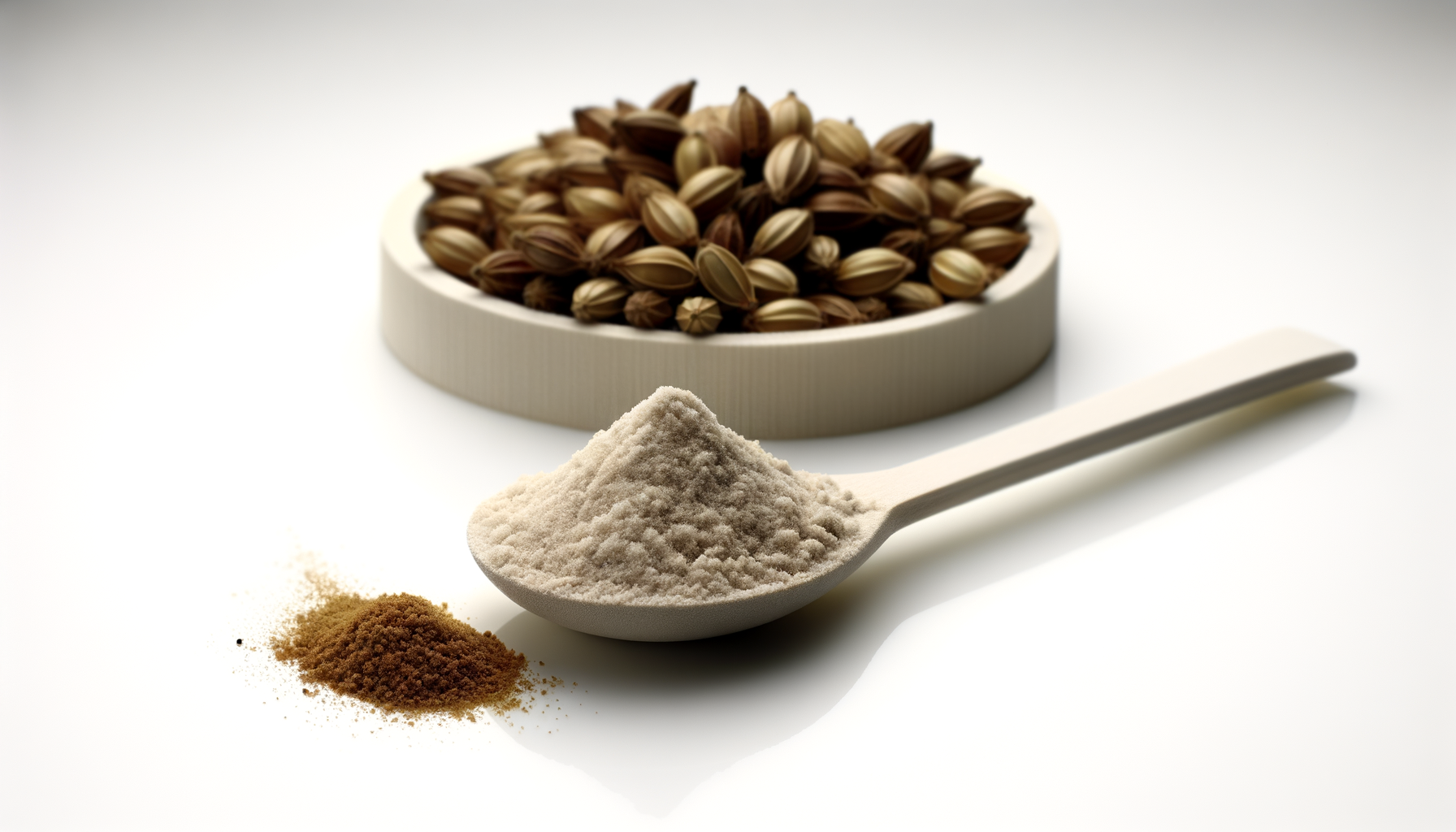
Grains of Selim
Xylopia aethiopica
Sensory Profile
Tastes
Basic flavor profiles
Aromas
Scent characteristics
Stimuli
Sensory sensations
Textures
Physical properties
About Grains of Selim
Grains of Selim, also known as Ethiopian pepper or Negro pepper, boasts a complex flavor profile characterized by a warm, peppery heat with hints of citrus and a subtle smokiness. The spice has a unique aromatic quality, reminiscent of a blend between black pepper and cardamom, with a slightly woody undertone that adds depth to dishes. This versatile spice is commonly used in West African cuisine, particularly in Nigerian and Ghanaian dishes. It is often ground into a powder and incorporated into spice blends, stews, soups, and sauces, enhancing the overall flavor with its distinctive warmth. Grains of Selim can also be used whole, infusing oils or broths with its aromatic qualities. It pairs well with meats, fish, and vegetable dishes, making it a valuable addition to both savory and sweet recipes. Grains of Selim is native to the tropical regions of West and Central Africa, where it grows on trees in the Annonaceae family. The spice is traditionally harvested from the wild, and its use dates back centuries in local culinary practices. It is particularly prominent in countries like Nigeria, Ghana, and Cameroon, where it is celebrated for its unique flavor and cultural significance. The spice is easily recognizable by its dark, wrinkled seeds, which are often sold whole or ground.
Associated health effects(12)
- Drug Interactions
- Antioxidant
- Allergic Reactions
- Dose-Dependent Effects
- Toxicity and Safety
- Nutritional Advantages
- Immune Booster
- Digestive Enzyme Stimulation
- Dietary Fiber
- Digestive Aid
- Anti-inflammatory
- Carminative
Nutrition per 100 g(4)
- Energy: 305 kcal
- Protein: 10 g
- Fat: 5 g
- Fiber: 20 g