
Grape Seed Oil Sensory Map
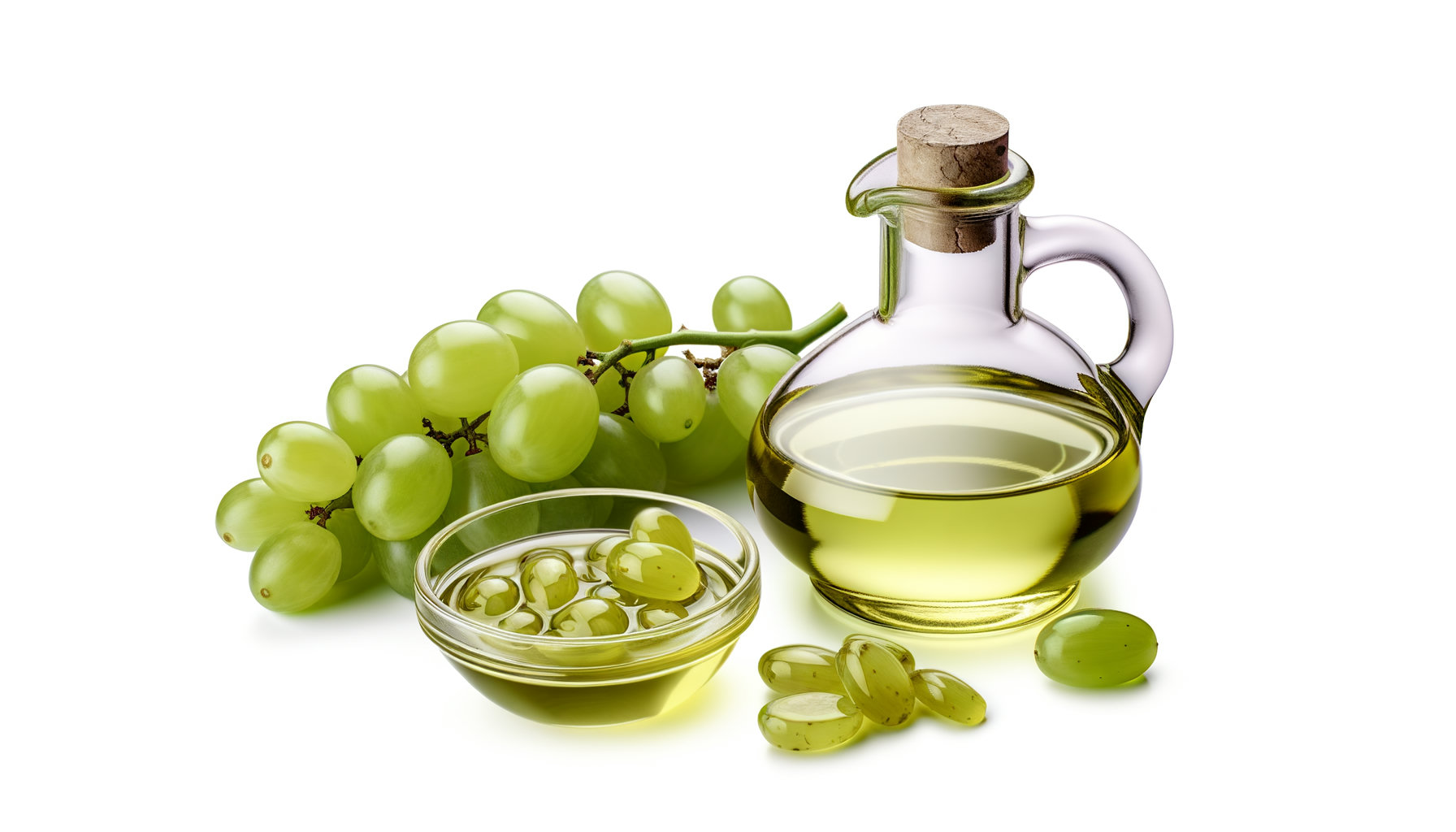
Grape Seed Oil
Vitis vinifera
Sensory Profile
Tastes
Basic flavor profiles
Aromas
Scent characteristics
Stimuli
Sensory sensations
Textures
Physical properties
About Grape Seed Oil
Grape Seed Oil (Vitis vinifera) is a light, pale green oil with a delicate, nutty aroma that carries subtle notes of green grape and a hint of earthiness. Its silky texture and high smoke point (around 420°F or 216°C) make it an ideal choice for high-heat cooking methods such as sautéing and frying, where it imparts a mild flavor without overpowering other ingredients. In culinary applications, grape seed oil shines in classic dishes like vinaigrettes, where its neutral profile allows the brightness of vinegar and herbs to take center stage, and in confit preparations, where it acts as a gentle medium for infusing flavors into proteins while maintaining moisture. Originating from the Mediterranean region, grape seed oil has deep cultural significance, particularly in French and Italian cuisines, where it is often used in both traditional and modern dishes. The oil is extracted from the seeds of grapes, typically a byproduct of winemaking, through a cold-pressing or solvent extraction process that preserves its beneficial polyunsaturated fatty acids, particularly omega-6 and vitamin E. This extraction method not only enhances its healthful properties but also contributes to its light flavor and high oxidative stability. What sets grape seed oil apart is its unique chemical composition, which includes a high concentration of linoleic acid, making it an excellent emulsifier in dressings and marinades. Additionally, its ability to resist rancidity allows it to be stored for extended periods without losing quality, making it a staple in both home and professional kitchens. The oil’s subtle flavor profile, combined with its functional properties, makes it an indispensable ingredient for chefs seeking to elevate their dishes without overwhelming the palate.
Associated health effects(36)
- Safety and Toxicity
- Polyphenol Antioxidant Activity
- Blood Pressure Support
- Circulation Support
- Polyphenol-Mediated LDL Oxidation Reduction
- Polyunsaturated Fatty Acid Support
- Cardiovascular Protection
- Antioxidant
- Allergic Reactions
- Cardiovascular Health
- Dose-Dependent Effects
- Polyunsaturated Fatty Acid Provision
- Vitamin E Source
- Blood Pressure Reduction
- Wound Healing
- Liver Support
- HDL Cholesterol Elevation
- Vitamin E Content Support
- Skin Moisturization Enhancement
- Endothelial Function Enhancement
- Immune Booster
- Immune Modulation
- Cardioprotective Activity
- LDL Oxidation Reduction
- Skin Health
- Platelet Aggregation Modulation
- Leg Swelling Reduction
- Weight Management
- Swelling Reduction
- HDL Cholesterol
- LDL Cholesterol Reduction
- Bleeding Risk
- Omega-6 Fatty Acid Support
- Neuroprotection
- Lipid Metabolism Support
- Anti-inflammatory
Nutrition per 100 g(4)
- Energy: 900 kcal
- Protein: 0 g
- Fat: 100 g
- Fiber: 0 g