
Grape Sensory Map
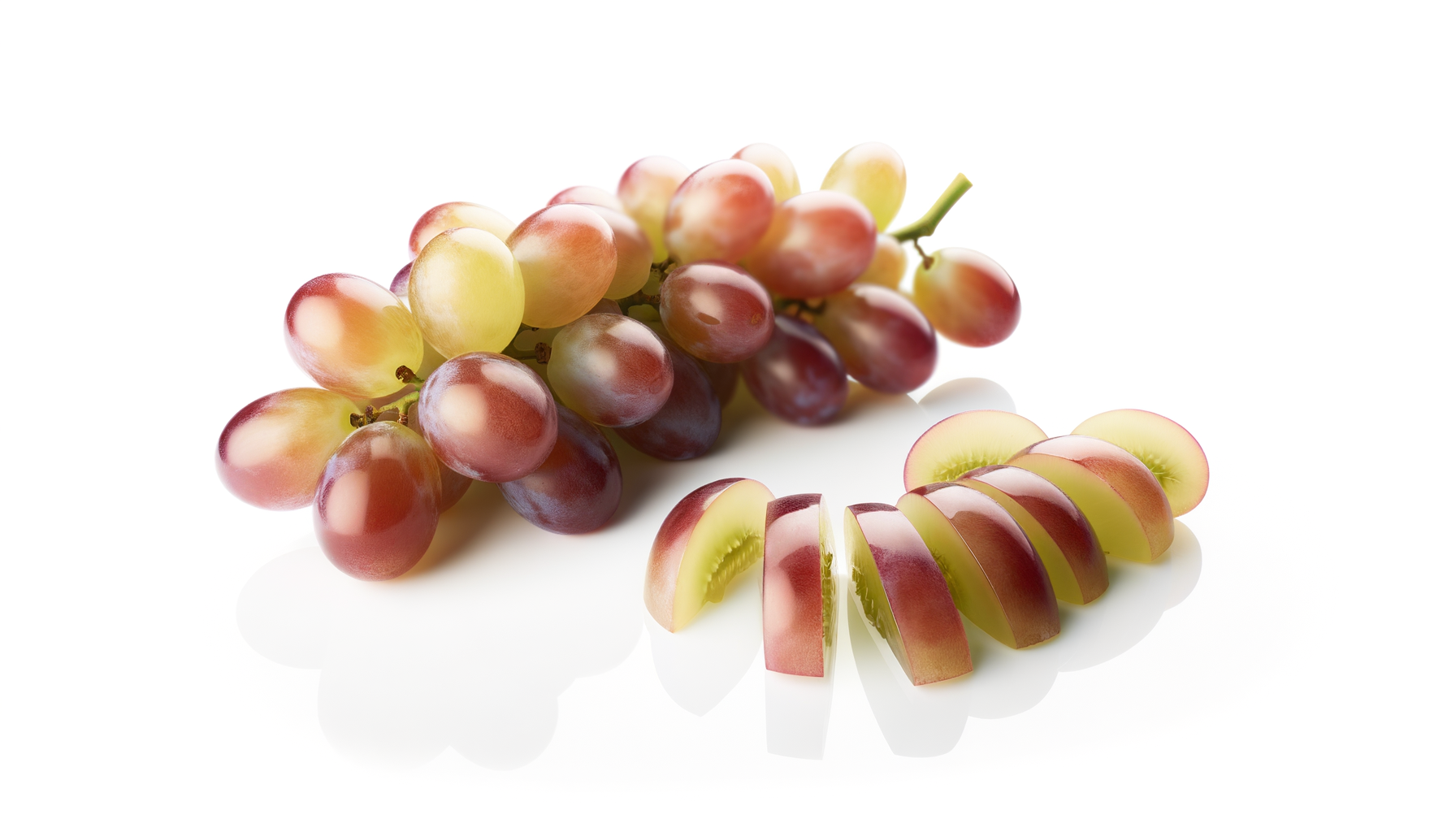
Grape
Vitis vinifera
Sensory Profile
Tastes
Basic flavor profiles
Aromas
Scent characteristics
Stimuli
Sensory sensations
Textures
Physical properties
About Grape
Grapes are renowned for their sweet, juicy flavor, which can range from tart to intensely sweet depending on the variety. They possess a complex profile with notes of berry, floral, and sometimes citrus undertones. The skin can add a slight tannic quality, while the flesh is typically succulent and refreshing. Grapes are incredibly versatile in the culinary world. They can be enjoyed fresh as a snack, added to salads for a burst of sweetness, or used in desserts such as tarts and sorbets. Grapes are also fermented to produce wine, a significant aspect of many cultures. Additionally, they can be dried to create raisins, used in sauces, or incorporated into savory dishes to balance flavors. Vitis vinifera is native to the Mediterranean region, particularly around the Caucasus Mountains, and has been cultivated for thousands of years. Its domestication dates back to ancient civilizations, where it was prized for both its fruit and its ability to produce wine. Today, it is grown in temperate climates worldwide, with significant production in countries like Italy, France, Spain, and the United States. Grapes are characterized by their small, round shape and come in a variety of colors, including green, red, black, and purple. They grow in clusters and are typically harvested in late summer to early fall. The
Associated health effects(140)
- Anthocyanin-Mediated Neuroprotection
- Safety and Toxicity
- Polyphenol Antioxidant Activity
- Blood Pressure Support
- Liver Protection via Polyphenols
- Squalene-Mediated Cholesterol Regulation
- Blood Sugar Spikes
- Diet Quality Improvement
- Polyphenol-Mediated Platelet Aggregation Modulation
- Ellagic Acid Antioxidant Activity
- Macular Pigment Density Enhancement
- Micronutrient Density
- Cytochrome P450 Interaction
- Intestinal Barrier Integrity Enhancement
- Polyphenol-Mediated LDL Oxidation Reduction
- Polyphenol-Mediated Digestive Enzyme Inhibition
- Colonic Cancer Risk Reduction
- Constipation Relief
- Dietary Prebiotic Support
- Drug Interactions
- Potential Additive Hypoglycemia
- Liver Protection via Grape Polyphenols
- Photoprotection
- Cardiovascular Protection
- Copper
- Antiplatelet Activity
- Adipogenesis Suppression
- Antioxidant
- Joint Pain Relief
- Dental Caries Promotion
- Allergic Reactions
- Cardiovascular Health
- Dose-Dependent Effects
- Anthocyanin Support
- Kidney Protection
- Colon Cancer Risk Reduction
- Lutein and Zeaxanthin Retinal Accumulation
- Blood Pressure Reduction
- Cardiovascular Disease Risk Reduction
- Vitamin Content Support
- Cognitive Enhancement
- Gut Microbiota Modulation
- Colon/Gut Health Promotion
- Nutritional Advantages
- Metabolic Syndrome Protection
- Alpha-amylase Inhibition
- Cancer-Preventive
- Cancer Cell Inhibition via Polyphenols
- Anthocyanin-Mediated Colonic Barrier Support
- Lipid Profile Improvement
- Resveratrol SIRT1 Activation
- Polyphenol-Mediated Gastrointestinal Protection
- Liver Support
- Blood Cholesterol Reduction
- Colonic Barrier Protection
- Disease Prevention Through Antioxidants
- Anthocyanin Provision
- Cytotoxic Activity Against Cancer Cell Lines
- Blood Sugar Support
- Quercetin and Rutin Flavonoid Support
- Vitamin K Source
- Proanthocyanidin-Mediated Venous Insufficiency Relief
- UV-Induced Skin Protection
- Cognitive Performance Enhancement
- Satiety Modulation
- Antidiabetic Activity
- Blood Sugar Regulation
- Polyphenol-Mediated Endothelial Function Enhancement
- Polyphenol-Mediated Gut Barrier Protection
- Muscle Gene Expression Modulation
- Polyphenol Skin Health Support
- Endothelial Function Enhancement
- Anthocyanin-Mediated Gut Microbiota Modulation
- Thrombosis Prevention
- Immune Booster
- Sugar Content
- Chronic Disease Prevention
- Immune Modulation
- Polyphenol-Mediated Antioxidant Activity
- High Sugar Content
- Vision Protection
- Atherosclerosis Prevention
- Cardioprotective Activity
- Digestive Irritation
- Anti-steatotic Activity
- Mood Enhancement
- Anti-obesity Activity
- Iron Content Support
- No Evidence of Toxicity, Heavy Metals, or Contaminants
- At-Risk Populations
- Mineral Content
- Hepatoprotection
- Dietary Fiber
- Skin Health
- Allergic Reaction Risk
- Cholesterol Absorption Inhibition
- Platelet Aggregation Modulation
- Prebiotic Fiber-Mediated Gut Microbiota Improvement
- Bone Health
- Gastrointestinal Discomfort
- Cognitive Function Enhancement
- Blood Lipid Profile Improvement
- Antioxidant Polyphenol Provision
- Cholesterol Management
- Brain Health
- Blood Clotting
- Wnt Pathway Inhibition
- Metabolic Syndrome Improvement
- Manganese
- Antiproliferative Activity
- Alpha-glucosidase Inhibition
- Weight Management
- Glycemic Index Support
- Polyphenol-Mediated Neuroprotection
- Appetite-Regulating Peptide Activation
- Anti-aging Activity
- Digestive Upset
- DNA Damage Reduction
- HDL Cholesterol
- LDL Cholesterol Reduction
- Grape Polyphenol-Mediated Vascular Function Enhancement
- Potassium
- Fiber Content
- Triglyceride Reduction
- Neuroprotection
- Digestive Prebiotic Support
- Heart Health
- Colorectal Cancer Risk Reduction
- Magnesium
- Eye Health
- Lipid Metabolism Support
- Digestive Aid
- Short-Chain Fatty Acid Production Enhancement
- Lutein and Zeaxanthin Support
- Cholesterol Improvement
- Insulin Sensitivity Support
- Digestive Health
- Anticancer Potential
- Anti-inflammatory
- Cognitive Support
Nutrition per 100 g(4)
- Energy: 69 kcal
- Protein: 0.6 g
- Fat: 0.2 g
- Fiber: 0.9 g