
Grapefruit Sensory Map
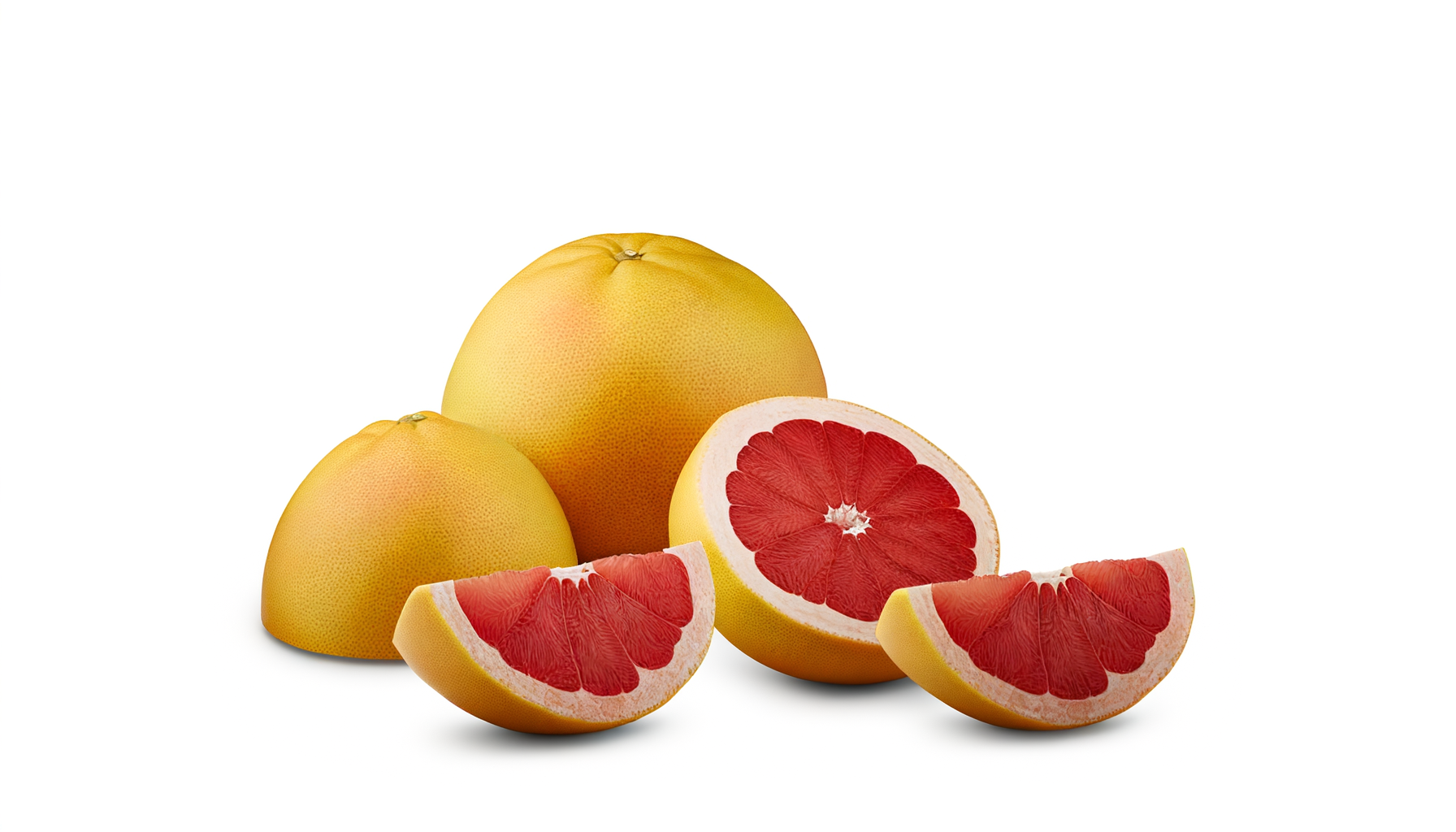
Grapefruit
Citrus paradisi
Sensory Profile
Tastes
Basic flavor profiles
Aromas
Scent characteristics
Stimuli
Sensory sensations
Textures
Physical properties
About Grapefruit
Grapefruit offers a unique balance of tartness and bitterness, complemented by a subtle sweetness. The flavor can vary significantly between varieties, with some exhibiting a pronounced tanginess and others a milder, sweeter profile. The flesh is juicy and refreshing, making it a vibrant addition to both sweet and savory dishes. Grapefruit is versatile in the kitchen, commonly enjoyed fresh in salads, as a breakfast fruit, or juiced for beverages. Its zest can enhance dressings, marinades, and desserts, while the segments can be incorporated into salsas, seafood dishes, or used as a garnish. Grapefruit pairs well with flavors like honey, mint, and avocado, and can also be used in cocktails for a refreshing twist. Native to the Caribbean, grapefruit is believed to be a hybrid between the pomelo (Citrus maxima) and the sweet orange (Citrus sinensis). It was first documented in the 18th century in Barbados and has since spread globally, with significant cultivation in the United States, particularly in Florida and Texas. Grapefruit is notable for its large size, thick rind, and vibrant colors ranging from pale yellow to deep pink and red, depending on the variety. The fruit is rich in vitamins A and C, antioxidants, and dietary fiber, contributing to its reputation as a health
Associated health effects(37)
- Vitamin C Source
- Blood Pressure Support
- Micronutrient Support
- Satiety Enhancement
- Beta-Carotene Source
- Micronutrient Density
- Furanocoumarin-Induced Photosensitivity
- Drug Interactions
- Cardiovascular Protection
- Antioxidant
- Diabetes Management
- Cytochrome P450 3A4 Inhibition
- Allergic Reactions
- Photosensitivity Risk
- Stroke Prevention
- Blood Pressure Reduction
- Bergapten-Mediated Bone Regeneration Support
- Cancer-Preventive
- Furanocoumarin-Induced Drug Interaction Risk
- Blood Cholesterol Reduction
- Phototoxicity
- Blood Sugar Support
- Immune Booster
- Dietary Fiber
- Skin Health
- Interaction with Medications
- Dental Erosion
- Cholesterol Management
- Weight Management
- Hydration Support
- LDL Cholesterol Reduction
- Citric Acid-Mediated Kidney Stone Prevention
- Kidney Stone Prevention
- Heart Health
- Digestive Aid
- Anticancer Potential
- Anti-inflammatory
Nutrition per 100 g(4)
- Energy: 34 kcal
- Protein: 0.6 g
- Fat: 0.1 g
- Fiber: 1.4 g