
Grappa Sensory Map
Grappa
Vitis vinifera
Sensory Profile
Tastes
Basic flavor profiles
Aromas
Scent characteristics
Stimuli
Sensory sensations
Textures
Physical properties
About Grappa
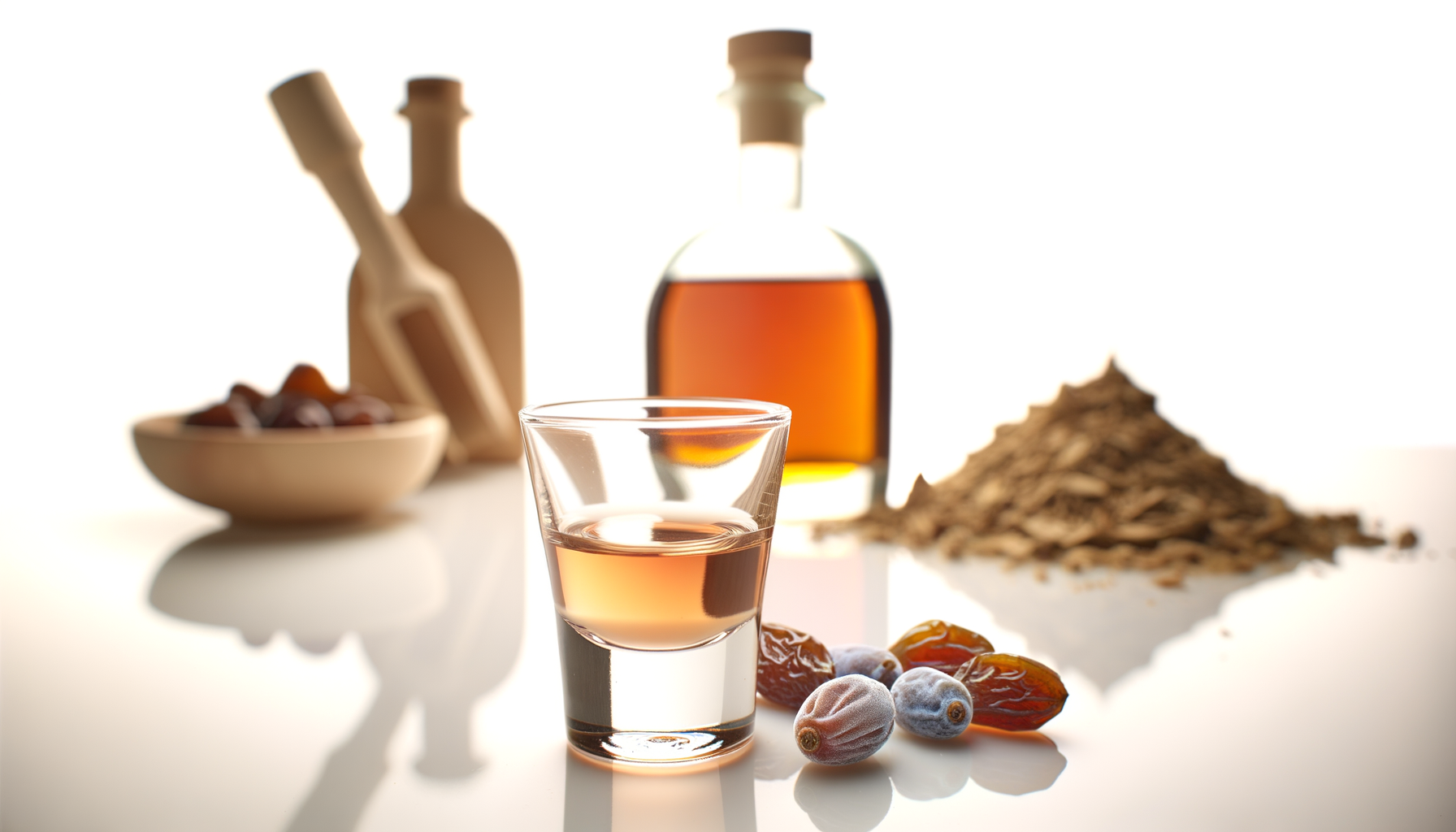
Grappa is a potent Italian spirit distilled from the pomace of grapes, typically featuring a robust and complex flavor profile. It often exhibits fruity notes reminiscent of the grape skins, seeds, and stems used in its production, alongside a range of herbal and floral undertones. Depending on the grape variety and distillation process, grappa can present a spectrum of flavors from sweet and fruity to earthy and spicy, with a characteristic warmth and a slightly bitter finish. Grappa is traditionally enjoyed as a digestif, served neat in small glasses to cleanse the palate after a meal. It can also be used in culinary applications, such as flavoring desserts, marinades, and sauces. Chefs may incorporate grappa into sauces for meats or seafood, or use it to flambé dishes, adding depth and complexity. Additionally, it can be infused with herbs or fruits to create unique liqueurs or cocktails. Grappa has its roots in Italy, with a history dating back to the 15th century. It is believed to have originated in the northern regions of Italy, particularly in areas like Piedmont, Veneto, and Friuli-Venezia Giulia, where grape cultivation is prevalent. The name "grappa" is derived from the Italian word for grape pomace, reflecting its production method.
Associated health effects(11)
- Antioxidant
- Liver Toxicity
- Cancer Risk
- Cardiovascular Stress
- Addiction Potential
- Interaction with Medications
- Dehydration
- Caloric Excess
- Gastrointestinal Distress
- Sleep Disruption
- Digestive Aid
Nutrition per 100 g(4)
- Energy: 231 kcal
- Protein: 0 g
- Fat: 0 g
- Fiber: 0 g