
Green Bean Sensory Map
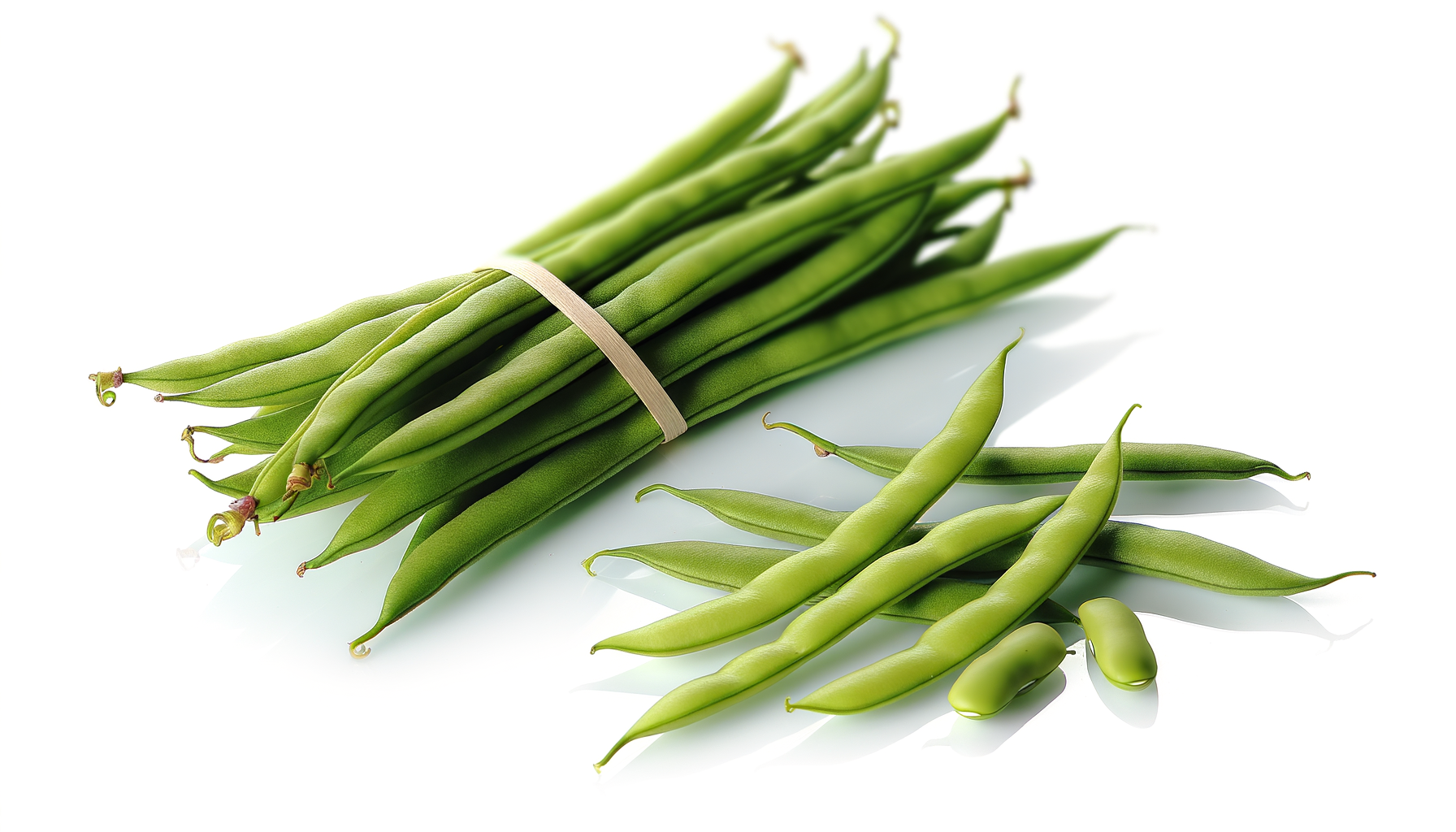
Green Bean
Phaseolus vulgaris
Sensory Profile
Tastes
Basic flavor profiles
Aromas
Scent characteristics
Stimuli
Sensory sensations
Textures
Physical properties
About Green Bean
Green beans, also known as snap beans or string beans, possess a mild, slightly sweet flavor with a crisp, tender texture. When cooked, they maintain a fresh, grassy taste that can be enhanced with a touch of salt, butter, or lemon juice. Their subtle sweetness pairs well with a variety of seasonings, making them versatile in both savory and sweet dishes. Green beans are a staple in many cuisines around the world. They can be enjoyed raw in salads, steamed, sautéed, or roasted as a side dish. Common preparations include stir-fries, casseroles, and as a key ingredient in the classic French dish, "haricots verts." They are also often pickled or used in soups and stews. Their vibrant color and crisp texture make them an appealing addition to any plate. Green beans are native to Central and South America, where they have been cultivated for thousands of years. They were introduced to Europe in the 16th century and have since become a popular vegetable globally. The plant belongs to the Fabaceae family, which includes legumes, and thrives in warm climates. Green beans are characterized by their long, slender pods, which can vary in color from bright green to yellow or purple, depending on the variety. They are typically harvested while still immature, ensuring a tender and crisp bite. Nutritionally,
Associated health effects(59)
- Safety and Toxicity
- Satiety Enhancement
- Insulin Sensitivity Enhancement
- Micronutrient Density
- Dietary Prebiotic Support
- Potential Allergenic Reactions
- Antioxidant
- Allergic Reactions
- Cardiovascular Health
- Allergy Risk
- Short-Chain Fatty Acid Production
- Blood Pressure Reduction
- Folate Source
- IBS Symptom Relief
- Nutritional Advantages
- Wound Healing
- Cancer-Preventive
- Lectin-Induced Gastrointestinal Toxicity
- Blood Cholesterol Reduction
- Colonic Barrier Protection
- Blood Sugar Support
- Low Caloric Density
- Vitamin K Source
- Blood Sugar Regulation
- Immune Booster
- Folate-Linked Neural Tube Defect Prevention
- Mood Enhancement
- Iron Content Support
- No Evidence of Toxicity, Heavy Metals, or Contaminants
- Mineral Content
- Dietary Fiber
- Skin Health
- Allergic Reaction Risk
- Prebiotic Fiber-Mediated Gut Microbiota Improvement
- Bone Health
- Cholesterol Management
- Anemia Prevention
- Antioxidant Immunity Support
- Manganese
- Protein Content
- Dietary Lectin Exposure
- Weight Management
- B Vitamin Nervous System Support
- LDL Cholesterol Reduction
- Mood Enhancement via Tryptophan and B6
- Potassium
- Fiber Content
- Phytohemagglutinin Toxicity
- Immune Function
- Digestive Prebiotic Support
- Heart Health
- Eye Health
- Lipid Metabolism Support
- Lectin Exposure
- Low FODMAP Tolerance
- Digestive Aid
- Digestive Health
- Anticancer Potential
- Anti-inflammatory
Nutrition per 100 g(4)
- Energy: 31 kcal
- Protein: 2 g
- Fat: 0.2 g
- Fiber: 3 g